Radar Global
179 stories
 Nov 24, 2026
US senators question Jensen Huang's return and call him to testify
US senators question Jensen Huang's return to Nvidia and call the CEO to testify on December 3 over AI chip export controls.
 Nov 24, 2026
Iraq's prime minister orders federal control of Kurdish oil fields and border crossings
Iraq orders the Oil Ministry to administer fields in four Kurdish provinces and take over the crossings after a crude smuggling probe.
 Nov 23, 2026
Ukraine confirms seven naval drones sank a Russian corvette in Libya
Ukraine confirmed that seven naval drones sank the Russian corvette Merkury in Benghazi, Libya, and struck the cargo ship MV Angara: the UN calls for an investigation.
 Nov 23, 2026
COP31 closes without a fossil fuel deal and leaves climate finance unresolved
COP31 ended in Antalya without an agreement on fossil fuels. The EU rejected the text, and climate finance for adaptation remains pending.
 Nov 22, 2026
Russian ship burns in Gulf of Finland after drone attack; 16 evacuated
The Russian cargo ship Sparta II is still burning off Finland after a drone attack in the Baltic, and 16 crew members were evacuated to a nearby vessel.
 Nov 22, 2026
Five EU countries agree with Rwanda on a returns hub for 2027
Five EU countries agree with Rwanda on a returns hub for migrants facing expulsion, with 100 places and transfers in 2027. Key points of the migration deal.
 Nov 21, 2026
Two Russian missiles in Poland revive the NATO Article 5 debate
Two Russian missiles and a drone fell in Poland on November 20 without injuries; NATO calls the incident a serious violation and Article 5 returns to the debate.
 Nov 21, 2026
Haiti Welcomes and Distrusts the 2,500 Troops El Salvador Deployed in October
El Salvador keeps 2,500 troops in Haiti and retook the Sylvio Cator stadium. ACLED records 46% more clashes and Amnesty calls for clarity on the chain of command.
 Nov 20, 2026
UK and EU seal reset deal, leaving tuition fees unresolved
The UK and the EU have closed their reset deal on food, emissions and youth mobility; the level of university tuition fees remains pending.
 Nov 20, 2026
ICJ Myanmar ruling of November 19 divides the major powers
The ICJ ruling that found Rohingya genocide in Myanmar opens a diplomatic rift: the EU and the UK back it while China warns about the court.
 Nov 19, 2026
ICJ Holds Myanmar Responsible for Genocide, Setting a State-Level Precedent
The ICJ finds Rohingya genocide in Myanmar and sets a precedent for state responsibility. Here are the votes, the reparations, and what comes next for the World Court.
 Nov 19, 2026
More than 30 leaders in Berlin coordinate air defense and financing for Ukraine
Berlin brings together more than 30 leaders to coordinate air defense, energy and 45,000 million euros in financing for Ukraine ahead of the European winter.
 Nov 18, 2026
Xi, Trump and Putin Meet in Shenzhen at the Apec Summit
Xi Jinping, Donald Trump and Vladimir Putin converge in Shenzhen at the Apec summit, each with a distinct agenda and signals for Mexican trade.
 Nov 18, 2026
ICJ to rule on November 19 in Rohingya genocide case against Myanmar
The International Court of Justice delivers its judgment on November 19 in the Rohingya genocide case, setting the standard for state responsibility it now establishes.
 Nov 17, 2026
Trump Convenes Quad in Manila and Announces Critical Minerals Deals
Trump convened the Quad in Manila and announced critical minerals deals and a business forum, ahead of his meeting with Xi Jinping in Shenzhen on Thursday.
 Nov 17, 2026
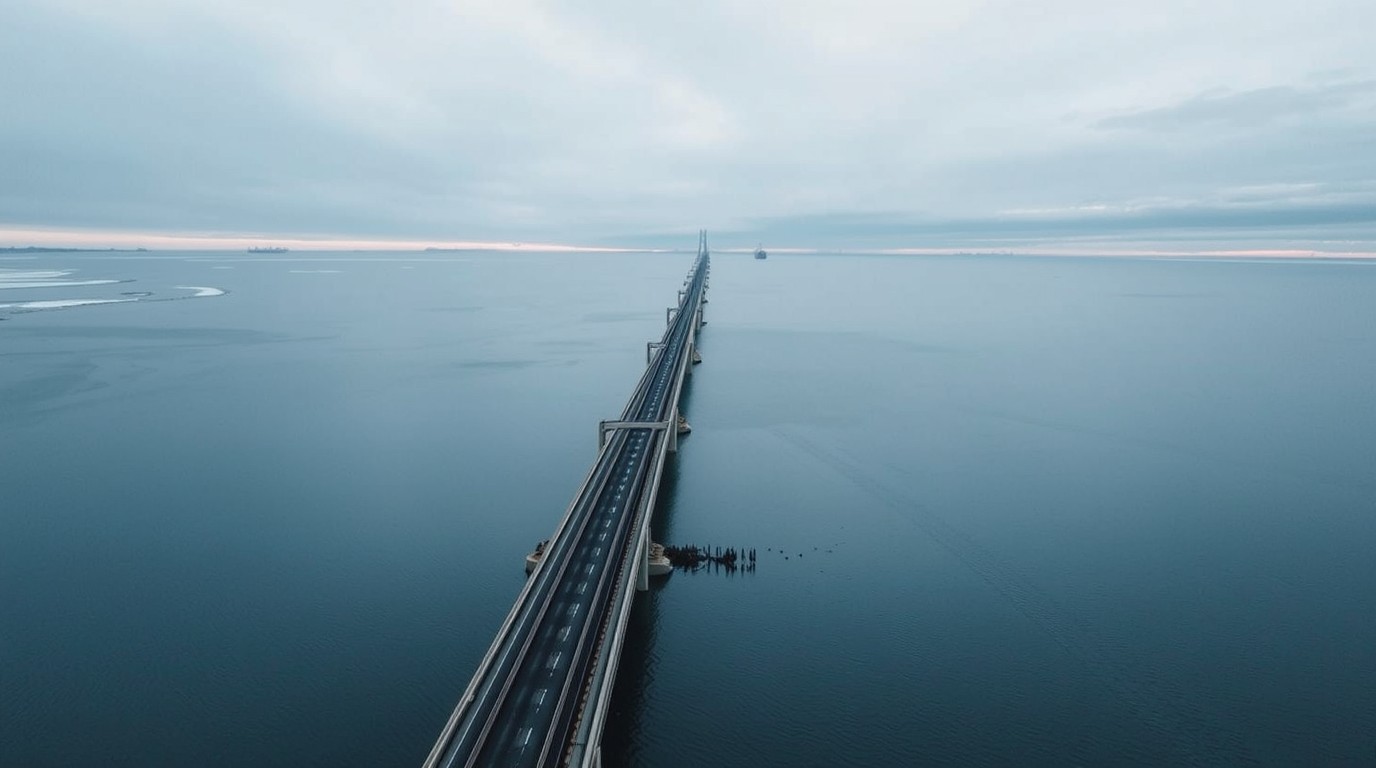
Ukraine Damages Kerch Bridge, Raising Black Sea Logistics Risk
Ukraine damaged the road span of the Kerch Bridge on November 17, 2026; Russia reported 1,441 drones downed and rail traffic is already crossing the peninsula.
 Nov 15, 2026
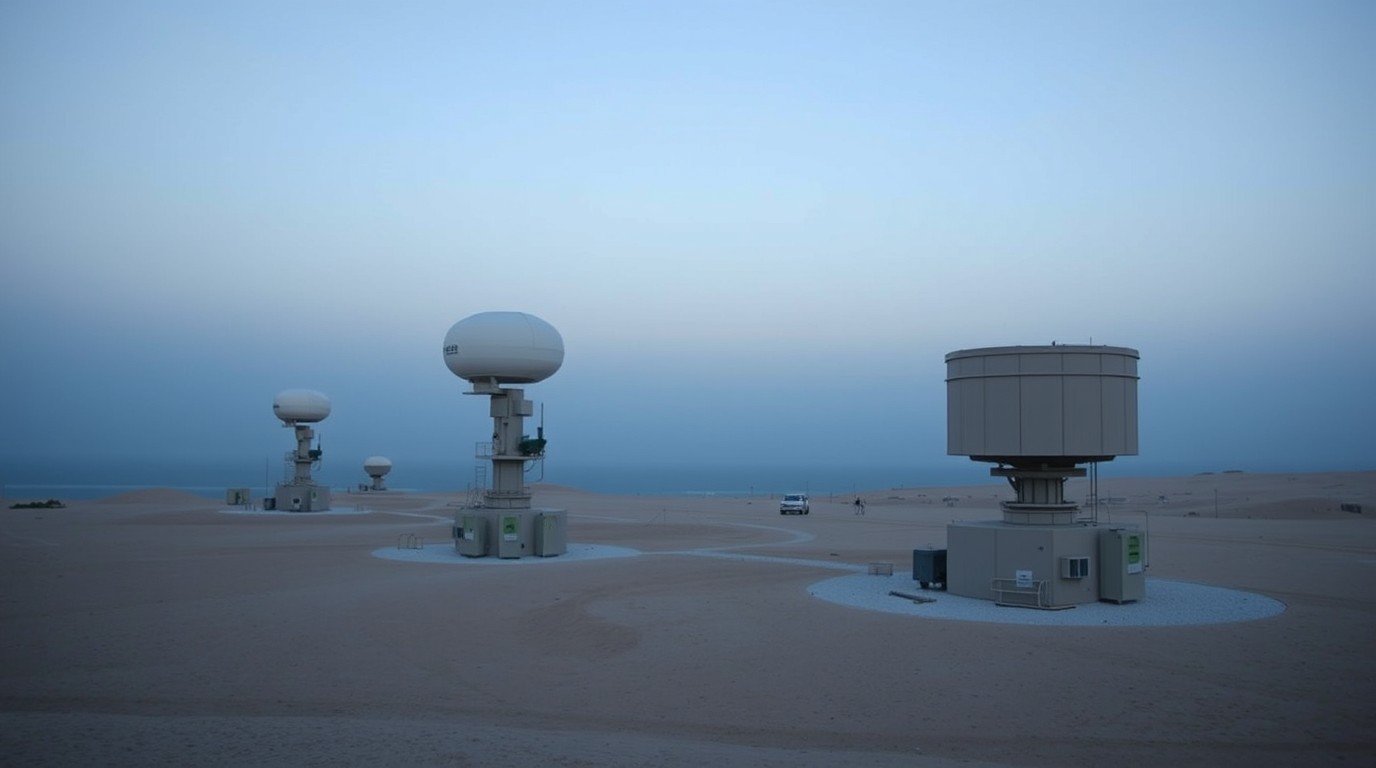
Iran strikes Bahrain: six drones against a US radar
Iran's drone attack on Bahrain: six drones against a US radar; the kingdom reports an interception and the Gulf weighs on energy prices in Mexico.
 Nov 15, 2026
Donbas for NATO: Kyiv and Moscow Square Off Over the Proposal
The US proposal to trade the Donbas for NATO membership opens a debate on security guarantees that Mexico and Latin America are watching closely.
 Nov 14, 2026
Washington ties NATO to ceding Donbas as both sides accelerate satellite networks
Zelenskyy said the US asked for the first time whether Ukraine would give up Donbas for NATO, while Kyiv and Moscow accelerate their own military satellite networks.
 Nov 14, 2026
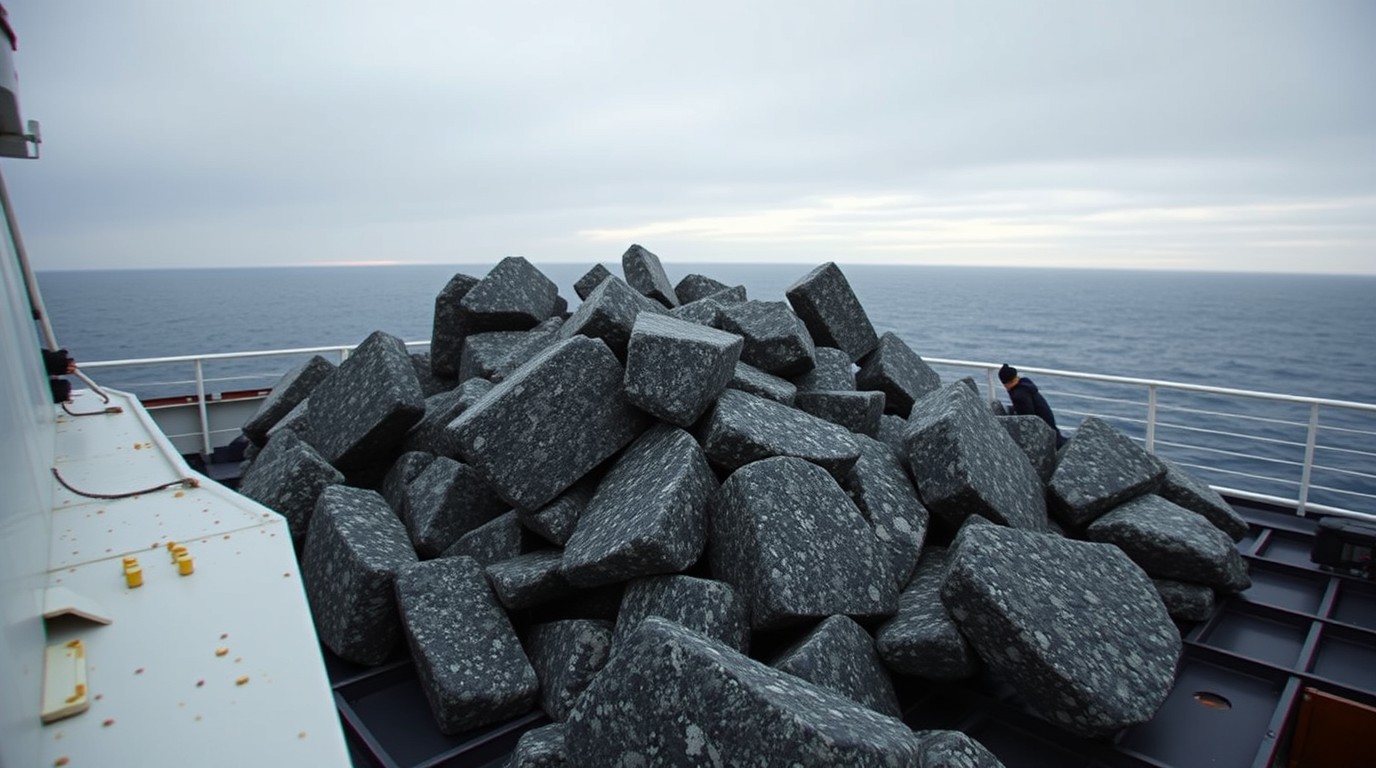
Greenpeace drops rocks in the zone of two combined 2.8 GW wind farms
Greenpeace dropped 15 tonnes of rocks off Norfolk and most landed in the Vanguard wind farm area, between two projects totaling 2.8 GW.
 Nov 13, 2026
Microsoft restores Teams and Outlook after 12-hour global outage
Microsoft restores Teams and Outlook after a global outage lasting more than 12 hours that hit 74 countries, with nearly 130,000 reports and no sign of a cyberattack.
 Nov 13, 2026
Iran says it destroyed a US radar in Bahrain this Friday
Iran's Revolutionary Guard said it destroyed a US radar in Bahrain in retaliation and warned about oil transit through the Strait of Hormuz.
 Nov 12, 2026
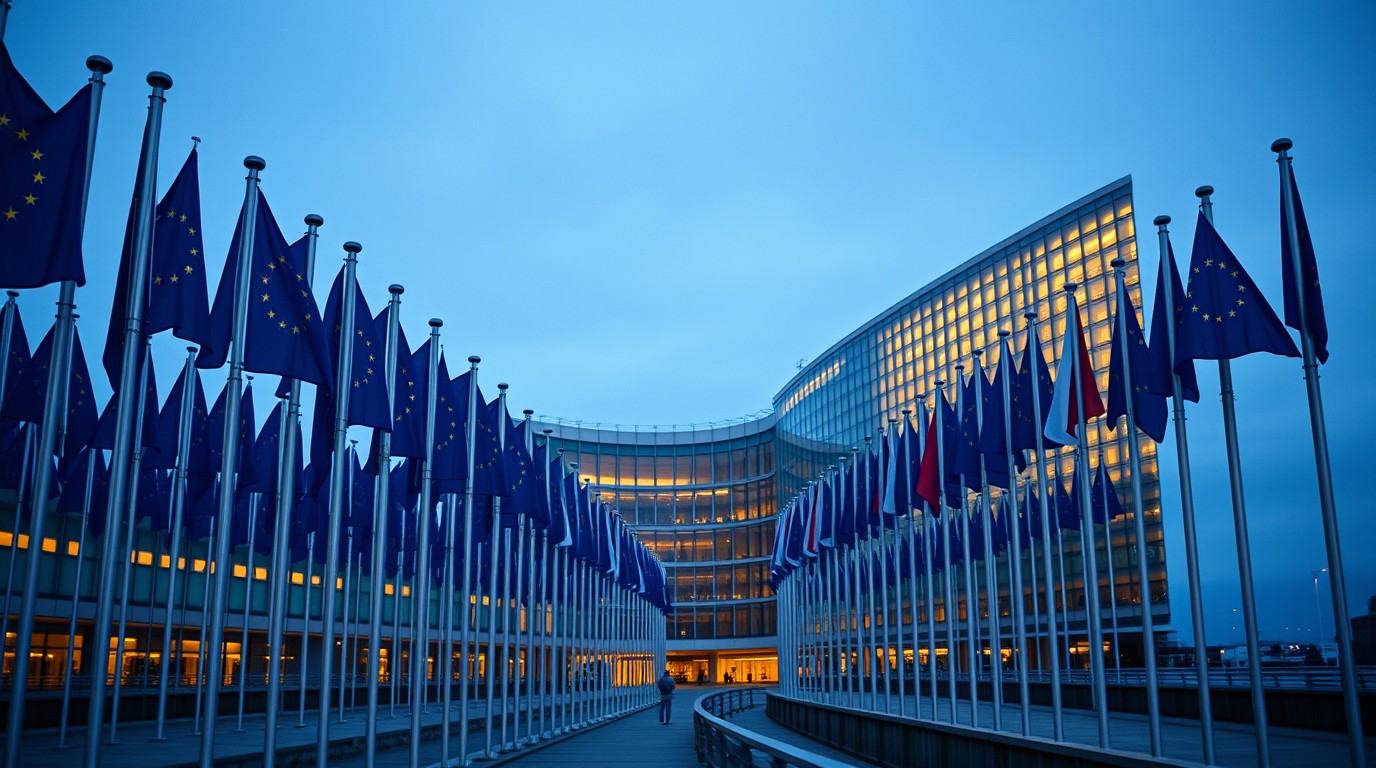
Zelenskyy asks Europe for a permanent seat at the table with Russia
At the Dublin summit, Zelenskyy called for the European Union to become a permanent part of negotiations with Russia, while Witkoff and Kushner visit Putin.
 Nov 11, 2026
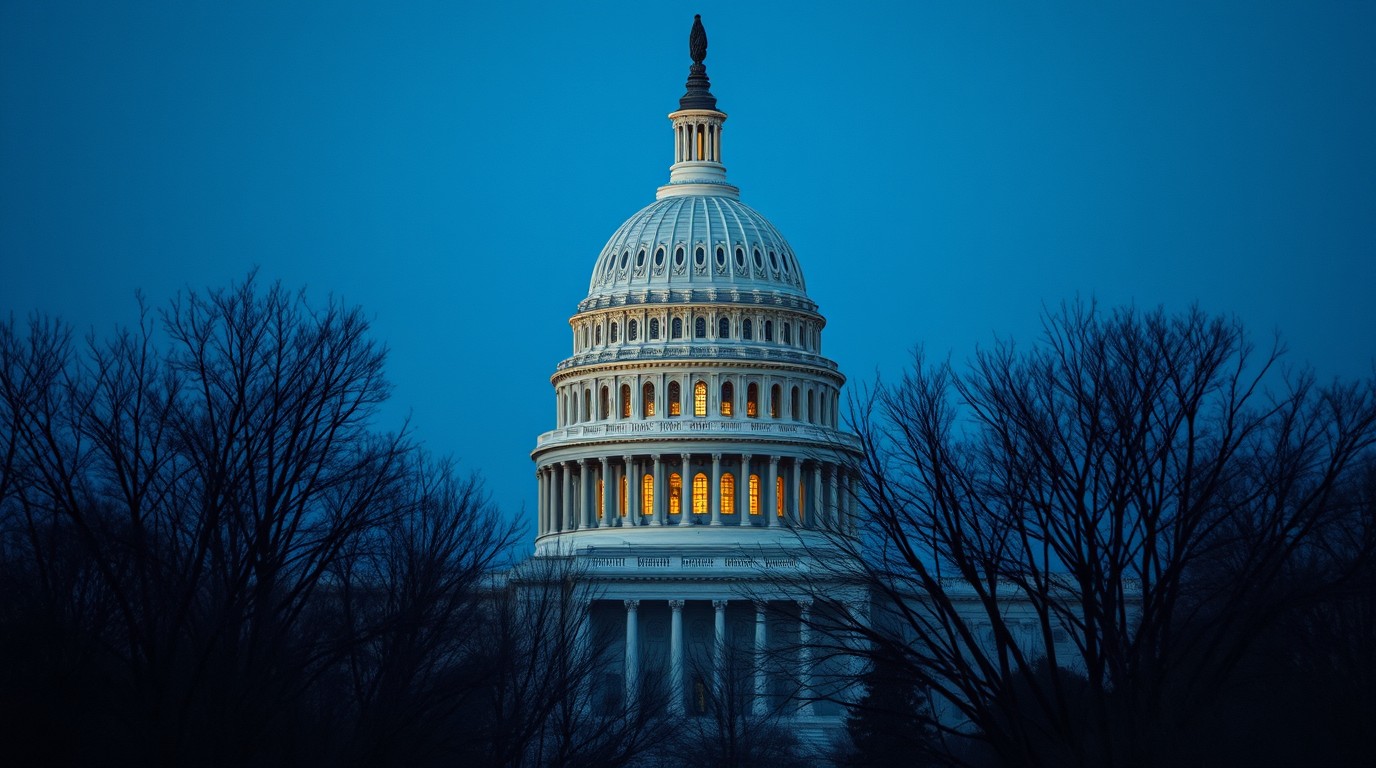
US House Blocks Hegseth Impeachment 211-204
The House votes 211 to 204 to block the impeachment of Pete Hegseth, closing the path in this Congress; the effort returns in January 2027.
 Nov 11, 2026
UK Brings Ten Northern Navies Into a Single Maritime Force
Ten northern European navies are integrating drones and warships into a single maritime surveillance network under the UK-led Northern Navies Initiative.
 Nov 10, 2026
Russia and Ukraine resume negotiations in Abu Dhabi after nine-month pause
Russia and Ukraine open their first round of negotiations in nine months in Abu Dhabi, while attacks strike Ukraine's power grid. Key points from the meeting.
 Nov 10, 2026
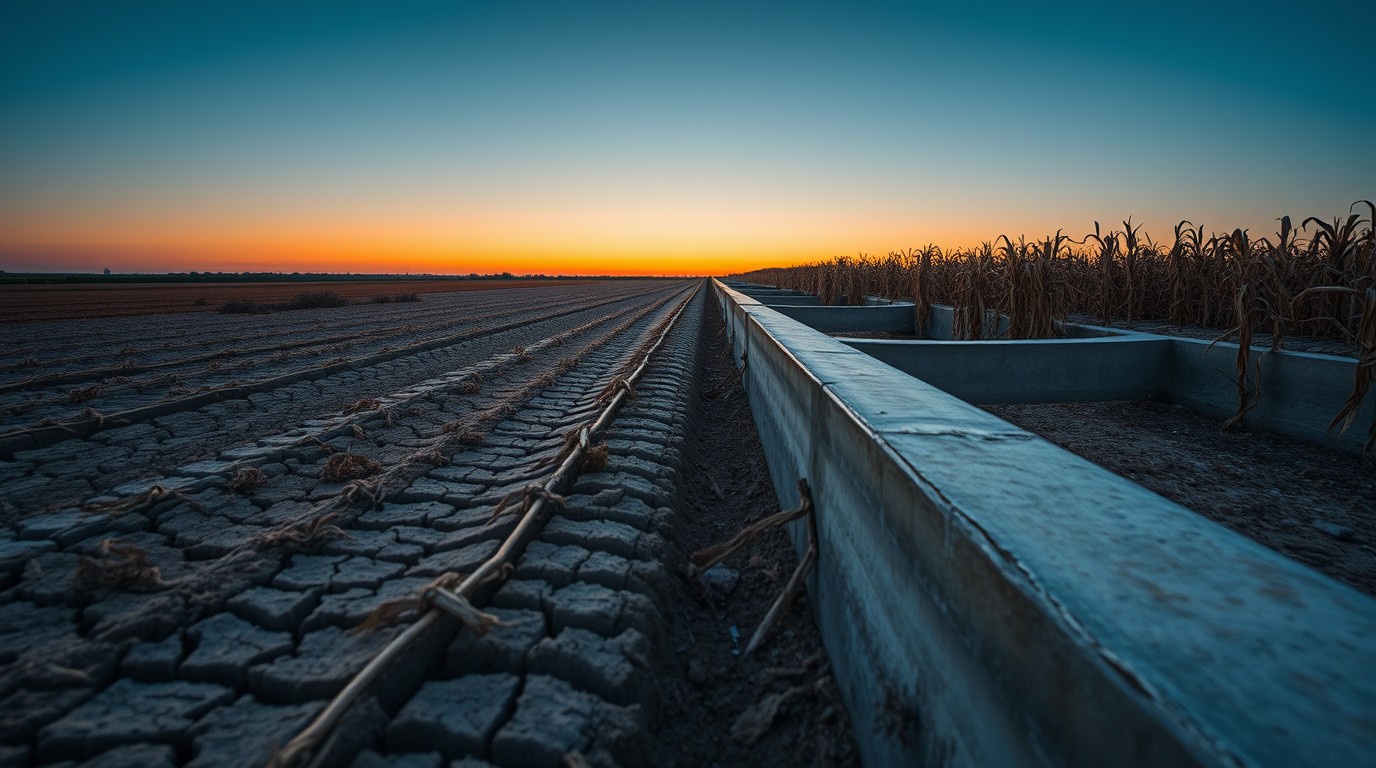
El Niño Intensifies Toward December With Estimated Losses of One Trillion Dollars
El Niño 2026 is heading toward its December peak with estimated annual losses of one trillion dollars and 16.5 million hectares of rainfed farmland in Mexico.
 Nov 9, 2026
Nvidia Falls More Than 4% as Its Board Investigates Alleged Chinese Espionage
Nvidia fell more than 4% as its board investigates whether Jensen Huang was the target of a Chinese intelligence operation. Key takeaways for the AI chip supply chain.
 Nov 9, 2026
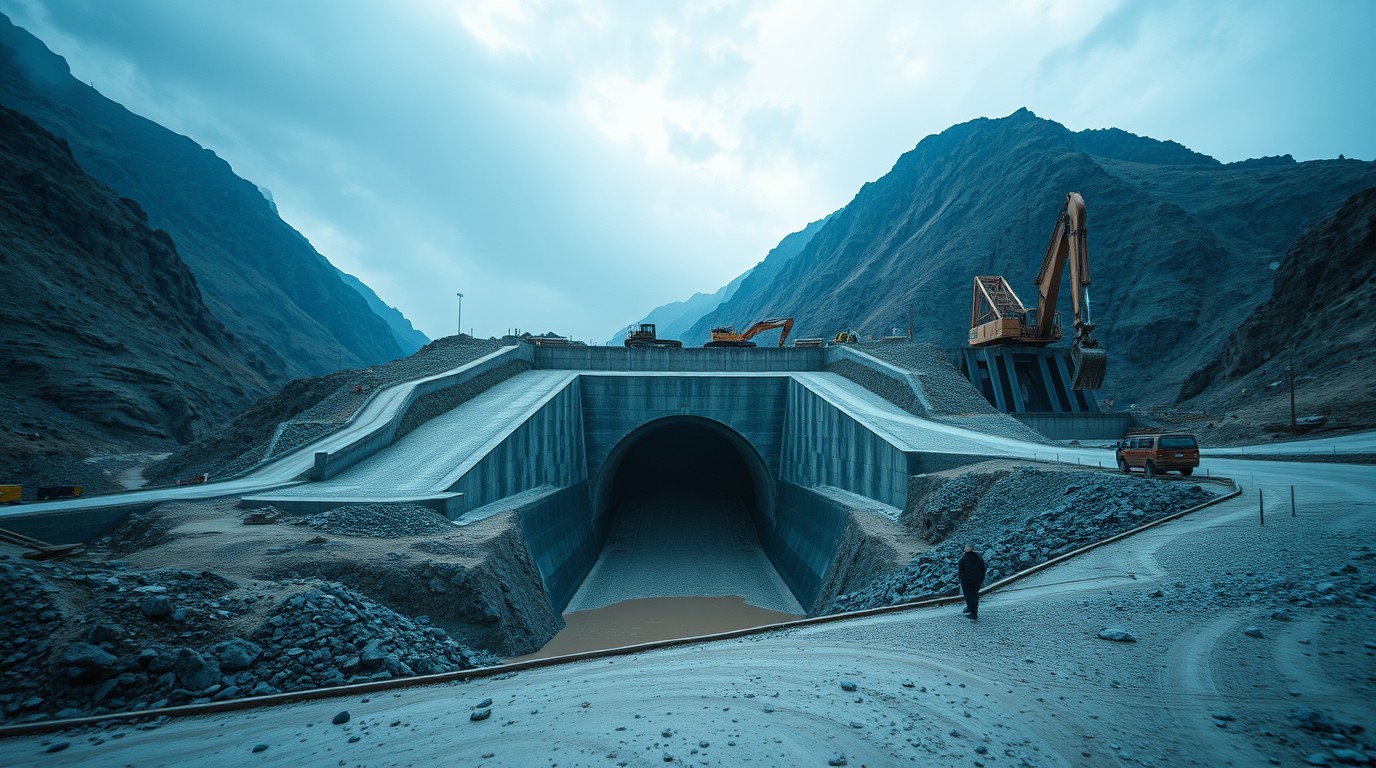
WAPDA suspends Tarbela T-5 works after a collapse flooded the tunnel
A rock collapse at the Tarbela T-5 hydropower plant flooded the tunnel under construction and WAPDA suspended work with no injuries. The assessment will determine when work resumes.
 Nov 8, 2026
Polish prosecutors investigate Krakow shooting with six dead as terrorism
Polish prosecutors are investigating the Krakow shooting that left six dead and 17 injured as terrorism; the suspect, wounded by police, is hospitalized.
 Nov 7, 2026
New Zealand polls close without a majority, and special votes will decide the government
The 2026 New Zealand election leaves National with 67 seats and no clear majority: the special votes of November 27 will define the coalition.
 Nov 7, 2026
Attacks on Qeshm and Hormuz Fail to Halt 16% Weekly Drop in Crude
Attacks on Hormuz and Qeshm do not prevent a 16% weekly drop in crude: Brent closes at 97.55 dollars, and that volatility reaches Mexico's gasoline prices.
 Nov 6, 2026
Tesla to end Cybertruck production in 2027 and retool its Texas plant for robotaxis
Tesla will stop producing the Cybertruck in mid-2027 and use its Texas plant for the autonomous Cybercab, with 8,300 units sold in the quarter.
 Nov 6, 2026
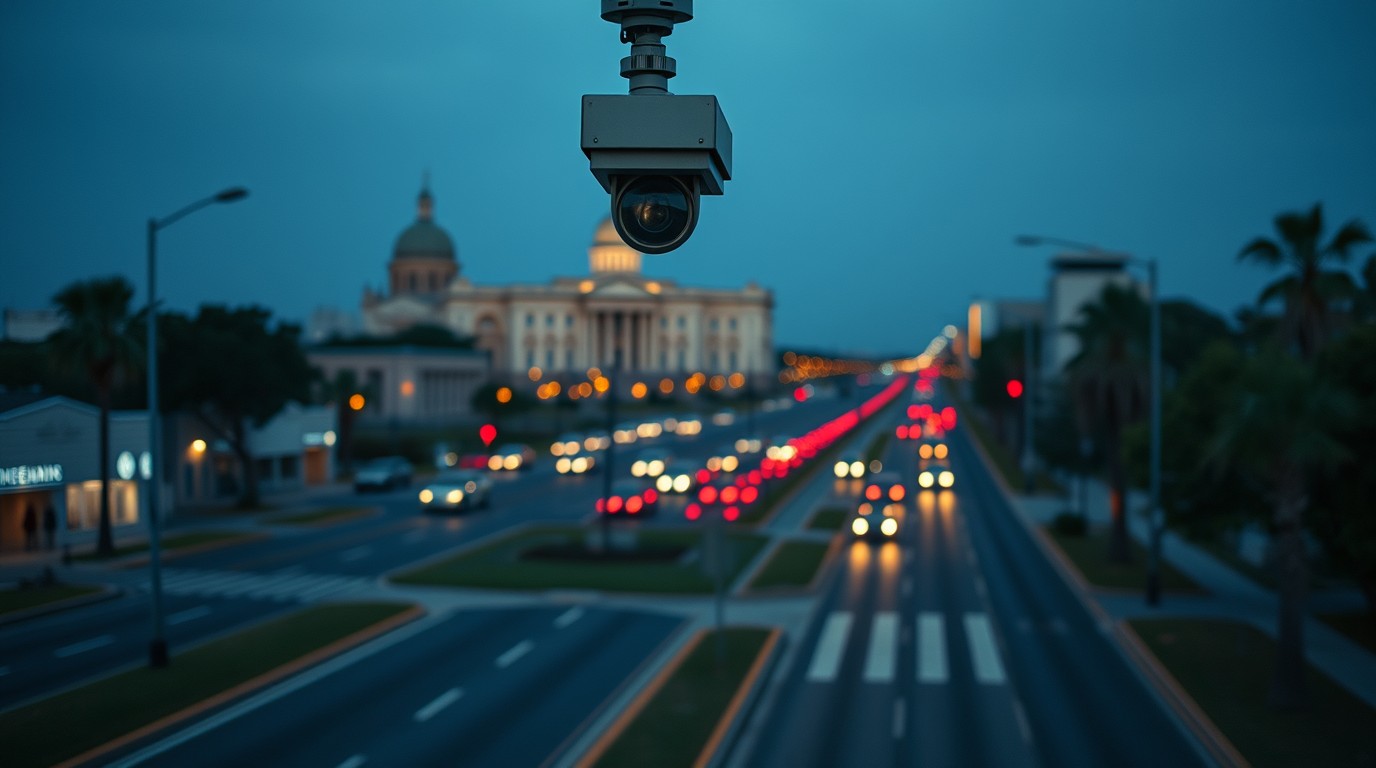
Ten US Local Governments Limit or Cancel Flock Surveillance Contracts
Ten US local governments limit or cancel contracts for Flock Safety cameras. The League City case sets deadlines, data retention rules and public procurement standards.
 Nov 5, 2026
Trump accepts Democratic majority as Ebrard rules out automatic tariff change
Trump accepted the results of the US midterm elections and Ebrard said tariffs do not change automatically. Key points of the T-MEC review.
 Nov 4, 2026
Democrats Retake US Congress as Mexico Hopes to Unblock USMCA Review
Democrats win Congress in the 2026 US midterms; Mexico hopes to unblock the USMCA review and the tariffs currently in force from 15% to 50%.
 Nov 4, 2026
BMW Cuts Automotive Margin Forecast and Plans 8,000 Job Cuts in Germany
BMW cuts its automotive margin forecast to between -0.5% and 0.5% and details 8,000 job cuts in Germany; INEGI reports 137,438 vehicles sold in Mexico.
 Nov 3, 2026
Drax and Brookfield plan to invest $26.8 billion in an AI data center
Drax, Brookfield and Radiant will invest more than £20 billion in a 1 GW AI data center in the UK, with the first phase starting in 2028.
 Nov 3, 2026
World Bank documents fall in extreme poverty in India to 2.6% in 2023
The World Bank reports that extreme poverty in India fell from 27.1% to 2.6% between 2011 and 2023, with 496 million people lifted out of extreme poverty.
 Nov 2, 2026
Ukraine and Russia confirm hacks of their alert systems with false nuclear warnings
Hacks of Ukraine's and Russia's alert apps sent false nuclear warnings on November 1; what the episode reveals about modern hybrid warfare.
 Nov 2, 2026
Wired documents 400 apps hiding sexual deepfakes from store review
Wired documented more than 400 apps that hide sexual deepfake generators and evade app store review; Apple removed 19 and Meta blocked 209 apps.
 Nov 1, 2026
Binance resumes withdrawals and covers 90% of losses from the $6.3 billion hack
Binance resumed withdrawals on November 1, 2026, after replenishing 90% of the $6.3 billion from the hack; the FBI attributes the attack to North Korea.
 Oct 31, 2026
Iran orders response with no geographic limit as Hormuz transits fall 70%
Iran orders a response with no geographic restriction and transits through the Strait of Hormuz fall 70%: what this means for the cost of gasoline in Mexico.
 Oct 31, 2026
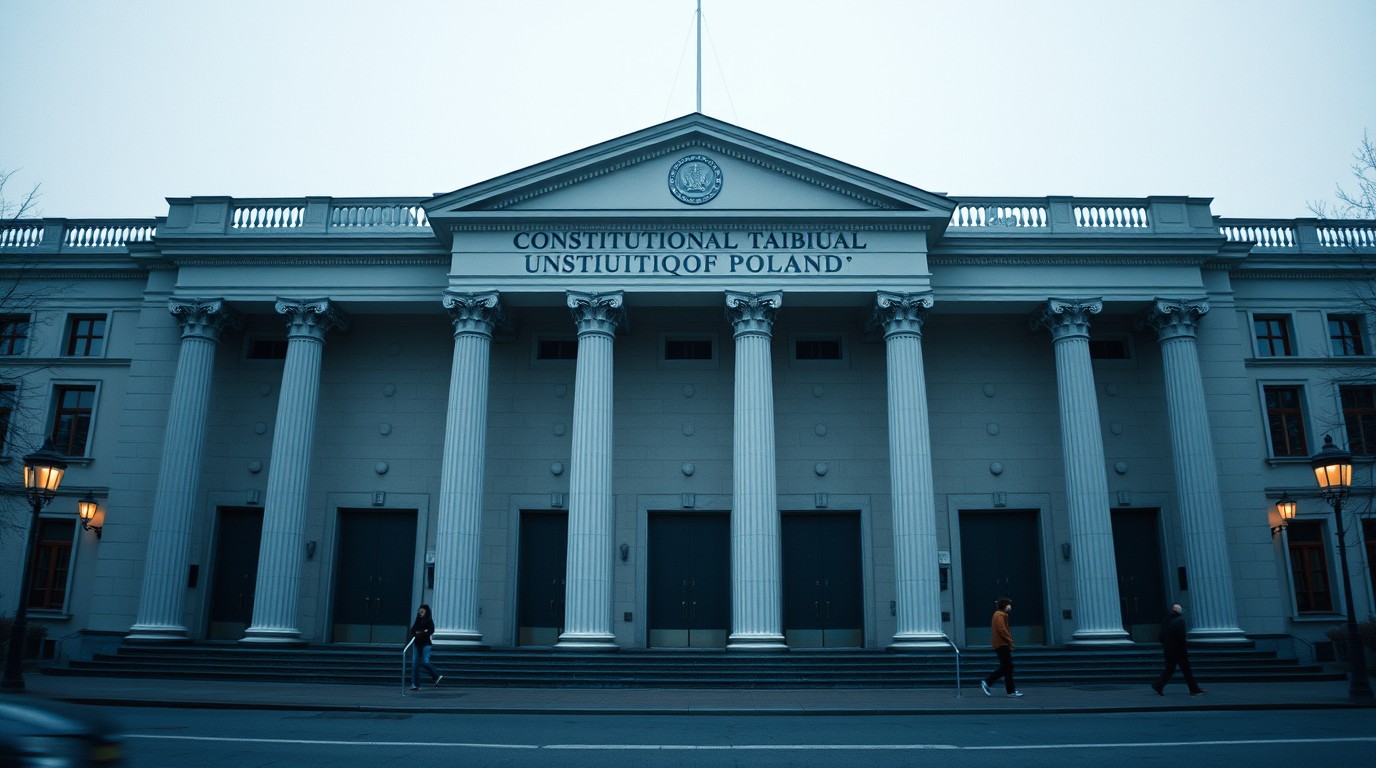
Poland's Constitutional Tribunal Crisis Forces Nawrocki to Return from Senegal
President Karol Nawrocki returned from Senegal after the suspension of the head of the Constitutional Tribunal and a protest that is shaping Poland's judicial agenda.
 Oct 30, 2026
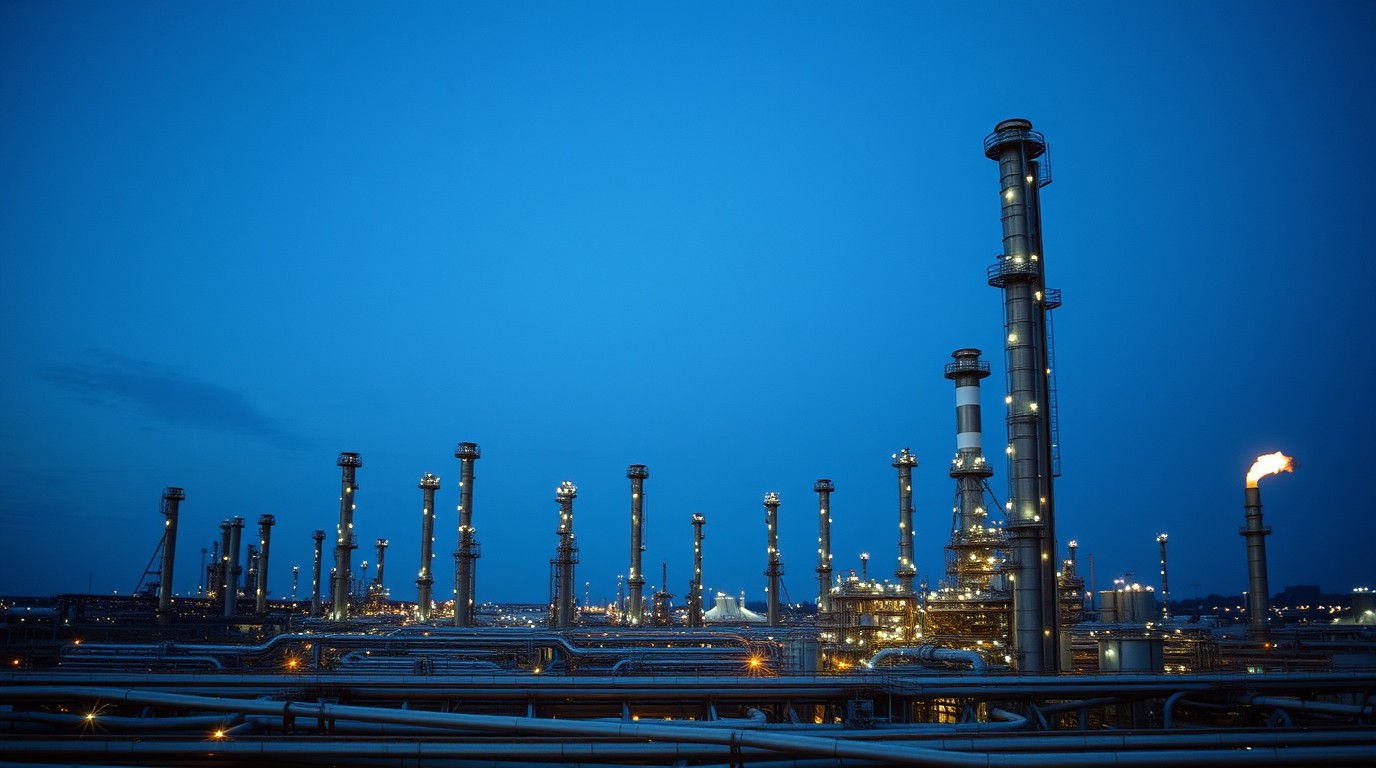
BP quadruples profit to $8.46 billion, its highest in 18 years
BP reported on October 30 a profit of $8.46 billion, its highest in 18 years, driven by refining margins that make imported gasoline more expensive.
 Oct 30, 2026
Tracking firms attribute $6.3 billion Binance theft to TraderTraitor
The $6.3 billion Binance hack, attributed to TraderTraitor, left nearly half of the funds frozen and raised questions about custody.
 Oct 29, 2026
Vance writes to Iran's security chief; Brent slips to $114
Vance's letter to Iran opens a framework for nuclear talks ahead of the November 3 elections; Brent slipped Thursday to $114.10 a barrel.
 Oct 28, 2026
Two high-speed trains collide in Toledo, leaving at least 30 dead
Two high-speed trains collided near Urda, Toledo, leaving at least 30 dead and around 80 injured; the Madrid-Andalusia AVE line remains suspended.
 Oct 28, 2026
Israel election without a majority: Netanyahu and the opposition
The Israeli election leaves Netanyahu's bloc at 54 seats and the change bloc at 49, far short of the 61 seats needed. The Israeli Arab vote reshapes the Knesset.
 Oct 27, 2026
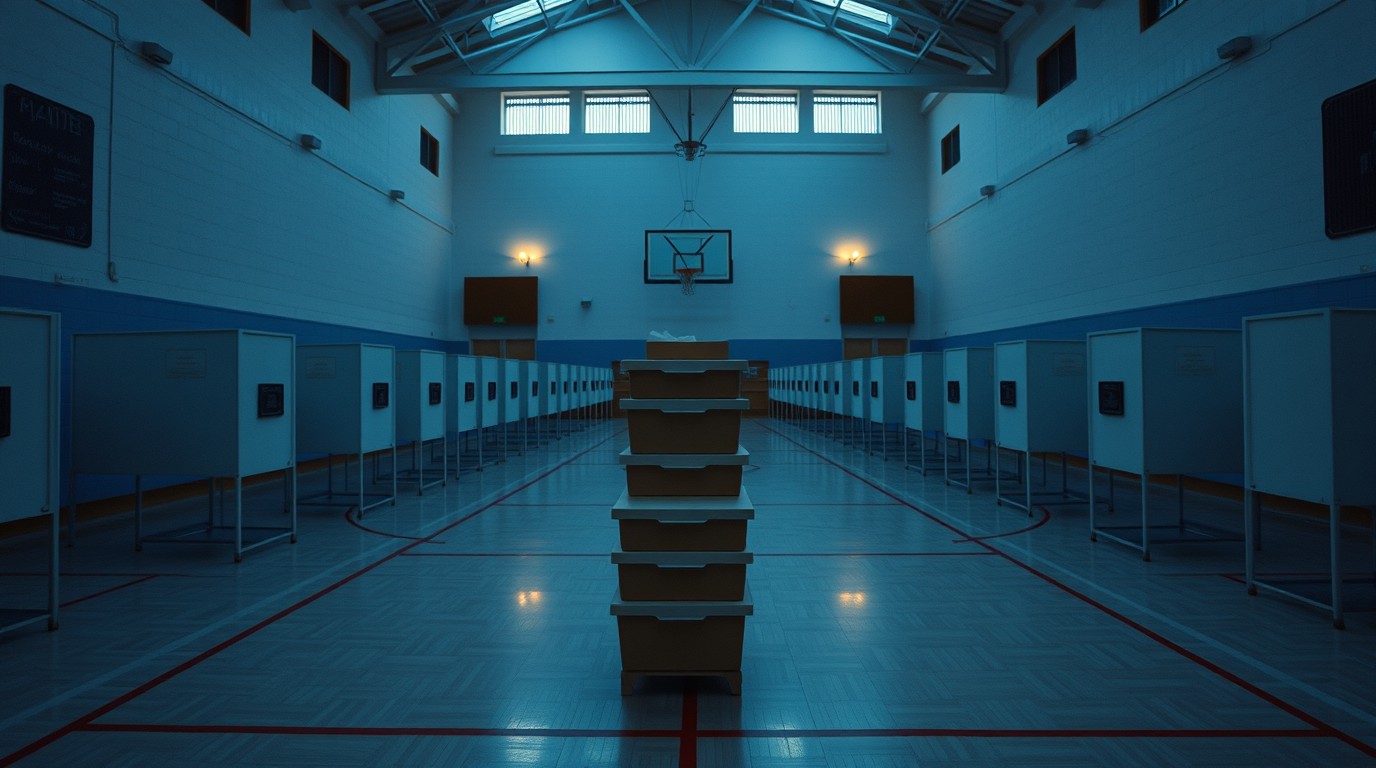
Israel votes with highest turnout since 1977 and the map in suspense
Israel votes on October 27, 2026 with the highest turnout since 1977 and a Netanyahu-Eisenkot duel that redefines regional energy risk.
 Oct 26, 2026
Serbia votes for the Student List and shifts course toward the EU
The Student List won Serbia's elections with 52.54% of the vote and is projected to take 140 seats; its new government will define the country's path to EU accession.
 Oct 26, 2026
Lula Wins a Fourth Term in Brazil with 51.79% of the Vote
Lula wins a fourth term in Brazil with 51.79% of the vote and receives global congratulations, including from Sheinbaum; Bolsonaro does not recognize the result.
 Oct 25, 2026
Reports place Pentagon plans against Iran after the elections
CENTCOM has strike options against Iran ready and the decision awaits Trump after November 3. What it means for crude and for inflation in Mexico.
 Oct 25, 2026
Gulf deep-sea life fell 60% to 85% and is not recovering
A study in PNAS finds that deep-sea life in the Gulf of Mexico fell between 60% and 85% after the Deepwater Horizon spill and had not recovered as of 2023.
 Oct 24, 2026
CDC reports 4,588 measles cases in the US, more than double 2025
The CDC reports 4,588 measles cases in the US, more than double 2025; Mexico totals 13,691 infections and 23 deaths, with the border acting as a route of contagion.
 Oct 24, 2026
Critical PHP flaws found with AI draw millions of attacks within hours
The PHP2Shell vulnerability, comprising two critical PHP flaws, triggered millions of attack attempts within hours and forces organizations to patch the interpreter, not the site.
 Oct 23, 2026
France Deploys 70,000 Police Ahead of October 24 Protests
Protests in France bring 70,000 police and gendarmes deployed on October 24 and 25; the operation is 20% larger than the previous weekend's.
 Oct 23, 2026
Brent climbs to $114.72, a five-month high, on Iran tensions
Brent crude rises 1% to $114.72, a five-month high, on the risk of fresh US and Israeli strikes on Iran and the knock-on effect on Mexico's inflation.
 Oct 22, 2026
Brent jumps 3% to $112, a five-month high, on Hormuz attacks
Brent rises 3.2% to $112.27, its highest level since May, while Mexico's gasoline IEPS absorbs the higher cost of imported crude.
 Oct 22, 2026
Brazil votes on October 25 with sovereignty toward the US at stake
The Brazil 2026 elections head to the October 25 runoff between Lula and Flávio Bolsonaro, with sovereignty toward the US as the central issue of the debate.
 Oct 21, 2026
Putin Frees American Teacher Amid Witkoff Visit on Ukraine
Russia released American teacher Stephen Hubbard, 74, during Steve Witkoff's visit to discuss Ukraine and the bilateral Russian channel.
 Oct 21, 2026
AI ads hit $137 million in US and 70% run without disclosure
The Wesleyan Media Project counts 220 political ads using AI ahead of the US midterms, with more than 70% carrying no disclosure; the leap arrives with autonomous agents.
 Oct 20, 2026
UK deploys Typhoon fighters to defend Saudi Arabia from the Houthis
The UK deploys Typhoon fighters on a defensive mission over Saudi Arabia amid Houthi attacks that have already left 19 dead, 13 of them at Riyadh airport.
 Oct 19, 2026
France activates partial curfews after riots
France activates partial curfews after the October 17 riots, with more than 2,400 detained, 2,000 businesses damaged and 100% labor suspension.
 Oct 19, 2026
US ambassador condemns attack on photojournalist; Israeli police detain 10 suspects
US Ambassador Mike Huckabee condemned the attack on photojournalist Heidi Levine in the West Bank; Israeli police detained 10 suspects over the attack.
 Oct 18, 2026
France reports 1,800 arrests and 1,500 businesses damaged after protests
France reports 1,800 arrests and 1,500 businesses looted after cost-of-living protests; Milan and Lisbon see parallel unrest across Europe.
 Oct 18, 2026
Egypt convenes Parliament to back Saudi Arabia against Houthi attacks
Egypt puts military support for Saudi Arabia against the Houthis before Parliament, while attacks on refineries raise global energy risk.
 Oct 17, 2026
Twelve Ships Attacked in Hormuz Push Brent Crude to $110
The Strait of Hormuz logs 12 ships attacked in a single week and Brent closes at $109.86, its highest level since May. The knock-on effect on Mexican inflation.
 Oct 17, 2026
Bailey walks out of IMF session in Bangkok during Russian speech
Andrew Bailey and European delegates leave the IMF session in Bangkok during the speech by Russian minister Anton Siluanov, and the signal for markets.
 Oct 16, 2026
European Council Reaffirms Support for Ukraine and Prepares 22nd Sanctions Package
The European Council reaffirmed its backing for Ukraine and confirmed a 22nd sanctions package against Russia, with diesel at the center of the next energy debate.
 Oct 16, 2026
China Accelerates Gold Buying in September to Cut Dollar Reliance
China added 23 tonnes of gold to its reserves in September 2026, extending its buying streak to 23 months as it seeks to reduce its reliance on the dollar, analysts say.
 Oct 15, 2026
Ukraine Reports US Intelligence Cutoff as Attacks Kill 15
Ukraine reports a cutoff of US satellite intelligence and Starlink limits on its attack drones, while Moscow keeps up its air strikes.
 Oct 15, 2026
Trump Rules Out an Offensive Against Iran Before the November 3 Elections
Trump rules out an offensive against Iran before the November 3 elections; Gulf crude remains tense and the Strait of Hormuz sets the pace.
 Oct 14, 2026
Trump Announces Sweeping Resource Exploration in Greenland After Denmark Pact
Trump announces sweeping exploration of oil, gas and minerals in Greenland following the security pact with Denmark and interest in critical minerals.
 Oct 14, 2026
Oil Flows Through Hormuz Fall to 2.9 Million Barrels, a Monthly Low
Oil flows through Hormuz fall to 2.9 million barrels, a monthly low, with Brent at 105.69 dollars and the Mexican export blend at 95.82.
 Oct 13, 2026
IMF October Report Warns of Systemic Risk From an AI Correction
The IMF report warns that an AI-driven market correction, combined with rising sovereign borrowing costs, raises the risk of global financial turbulence.
 Oct 13, 2026
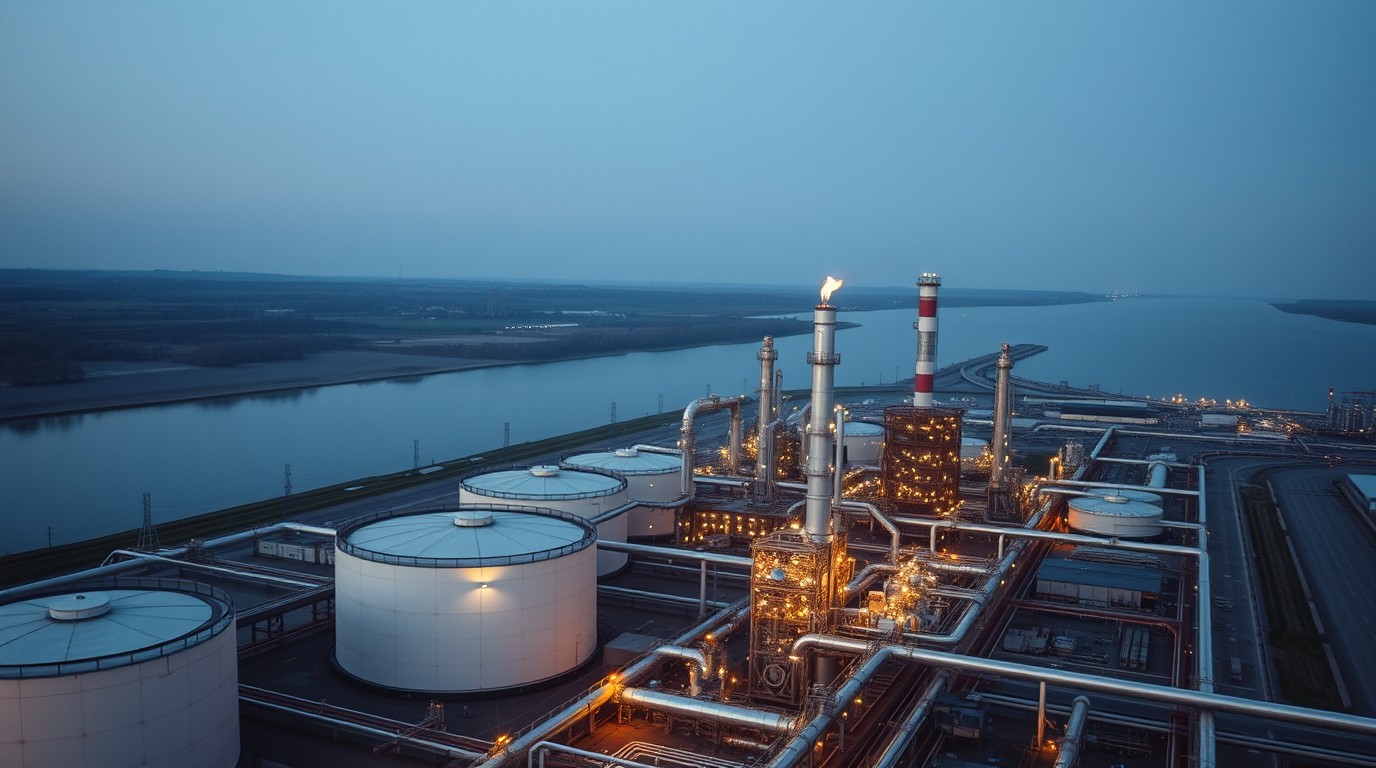
Ukraine Pauses Attacks on Russian Refineries for Two Days After Trump's Call
Ukraine suspended its attacks on Russian refineries for two days following the energy truce announced by Trump; the tally figures and what it means for Mexico.
 Oct 13, 2026
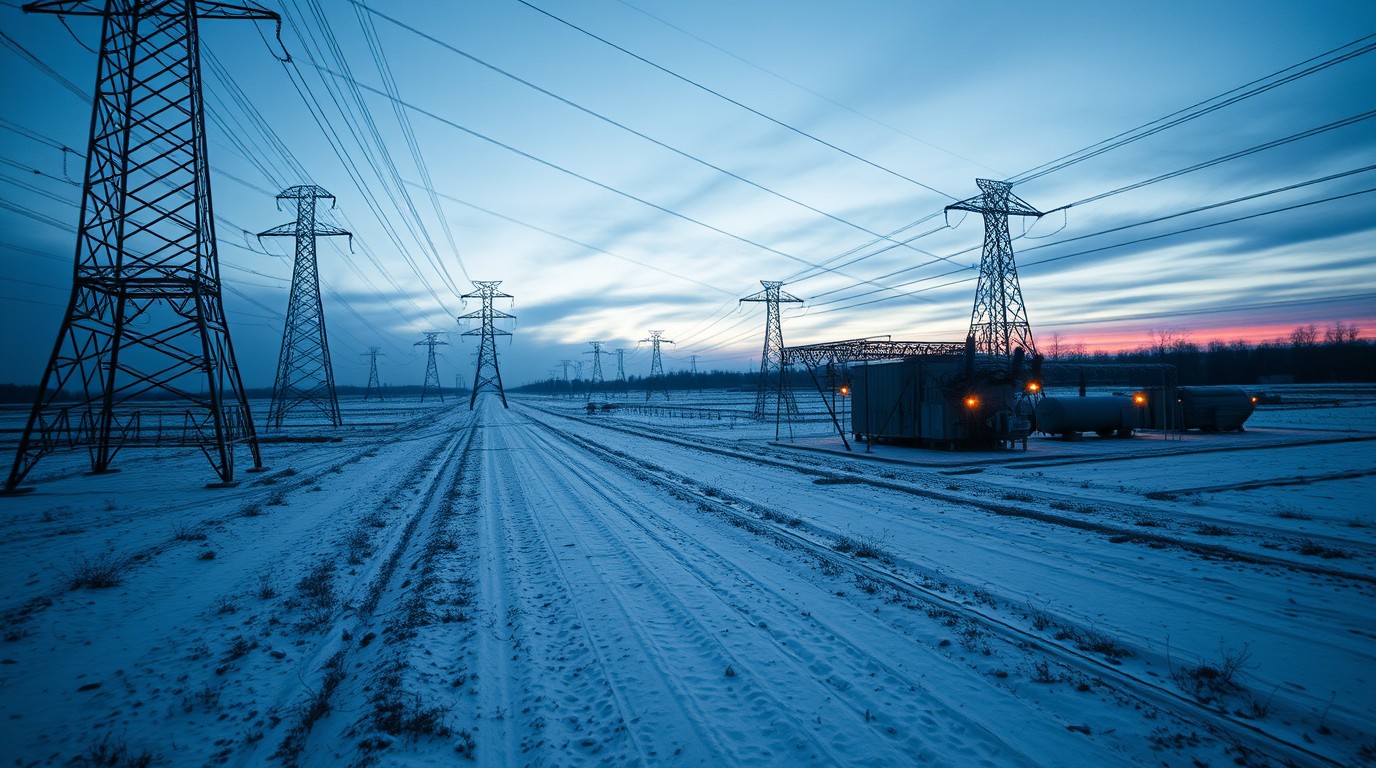
China's Overcapacity Hits 640 Million Tons and Hardens Global Tariffs
What Chinese overcapacity is, how it affects steel and electric vehicles, and which tariffs Mexico, the European Union and the United States are applying in 2026.
 Oct 12, 2026
Zelensky accuses Russia of violating the energy truce announced by Trump
Zelensky accuses Russia of violating the energy truce announced by Trump as the EU adds 1,600 sanctions and Mexico tracks global diesel volatility.
 Oct 12, 2026
EU caps Chinese hybrid car imports at 350,000 a year from December
The EU will set Chinese hybrid imports at 350,000 units a year from December 2026. The quota, via a WTO safeguard, will last four years.
 Oct 11, 2026
Houthi Attack on Riyadh Airport Reopens the Gulf Energy Front
The Saudi coalition blames the Houthis for the attack on Riyadh airport and Trump is weighing whether to join; the flow of crude and refined products through the Red Sea is at risk.
 Oct 11, 2026
Nadella calls for an emergency brake on advanced AI and human controls
Microsoft's CEO proposes an AI emergency brake: pausing or shutting down a model mid-task and six observability controls.
 Oct 10, 2026
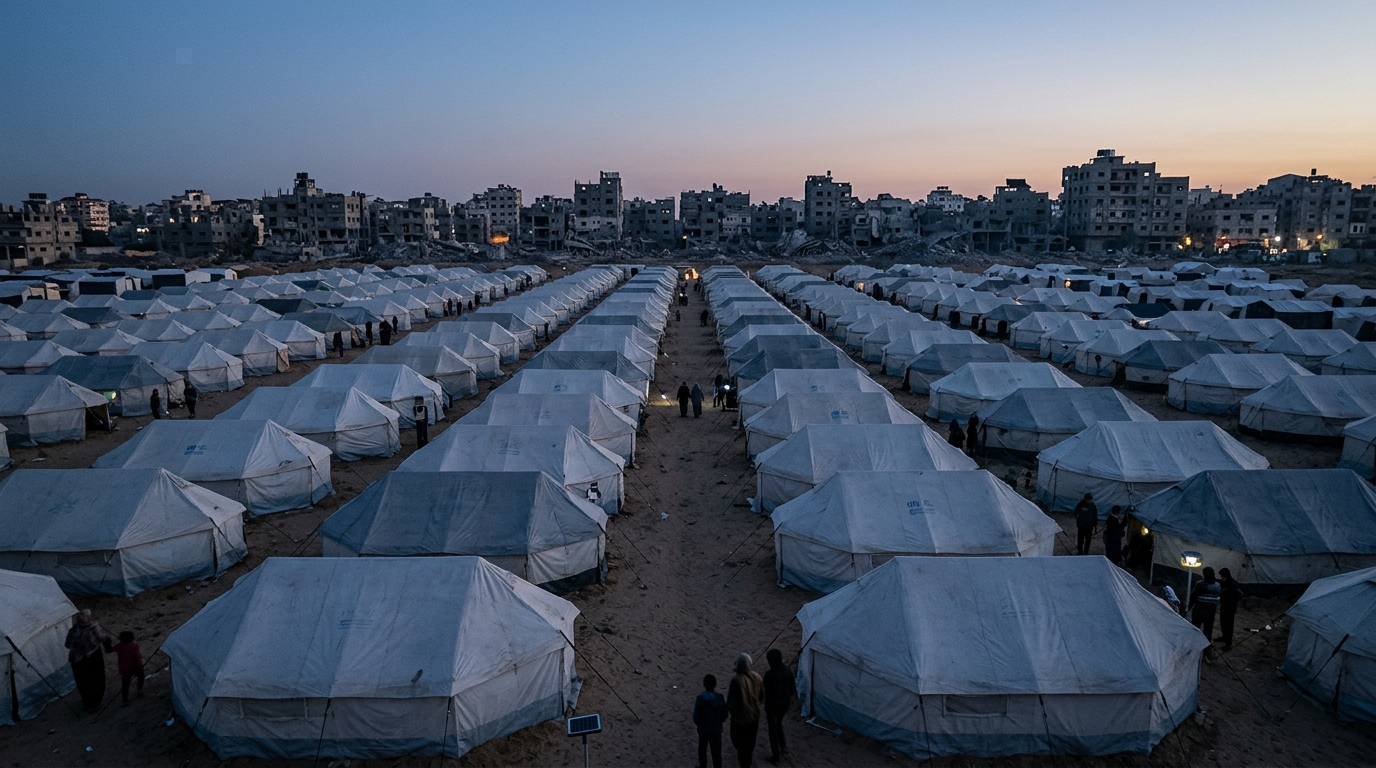
A Year of Ceasefire in Gaza Leaves 1,477 Dead and Phase Two Pending
The Gaza ceasefire marks one year with 1,477 dead and the second phase of the peace plan stalled, with 1.6 million people still living in tents.
 Oct 10, 2026
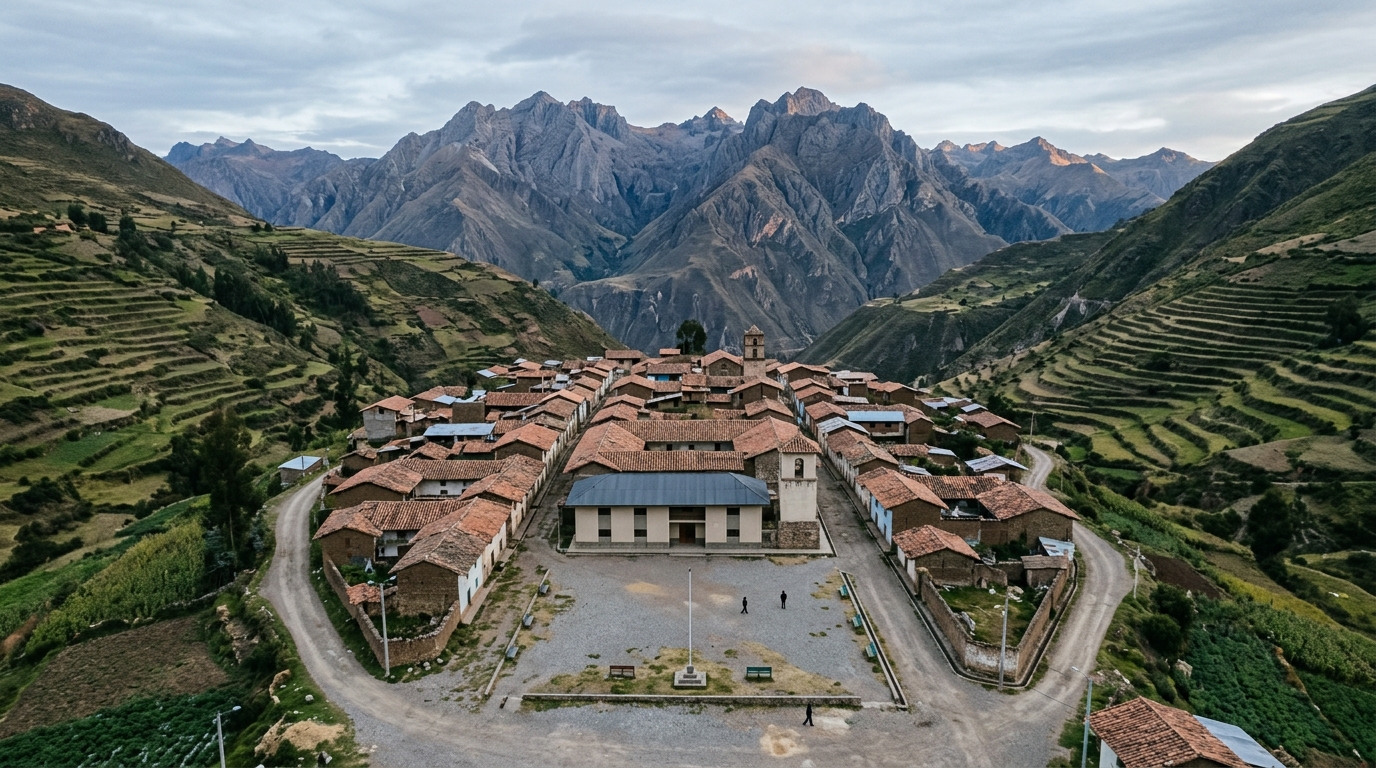
A candidate named Hitler Mussolini wins the Queropalca mayoralty by 25 votes
The ONPE count gives the mayoralty of Queropalca, in Peru, to Hitler Mussolini Simeón Flores with 229 votes and a 25-vote margin. The proclamation is still pending.
 Oct 9, 2026
Navi Pillay wins the 2026 Nobel Peace Prize for defending international law
The Norwegian Nobel Committee honored judge Navi Pillay for her defense of international law, in a year of pressure on global tribunals.
 Oct 9, 2026
United States suspends eight tech companies from the PERM green card program
The Department of Labor suspended green card PERM for eight tech companies, including Microsoft; the path to permanent residency is now closed.
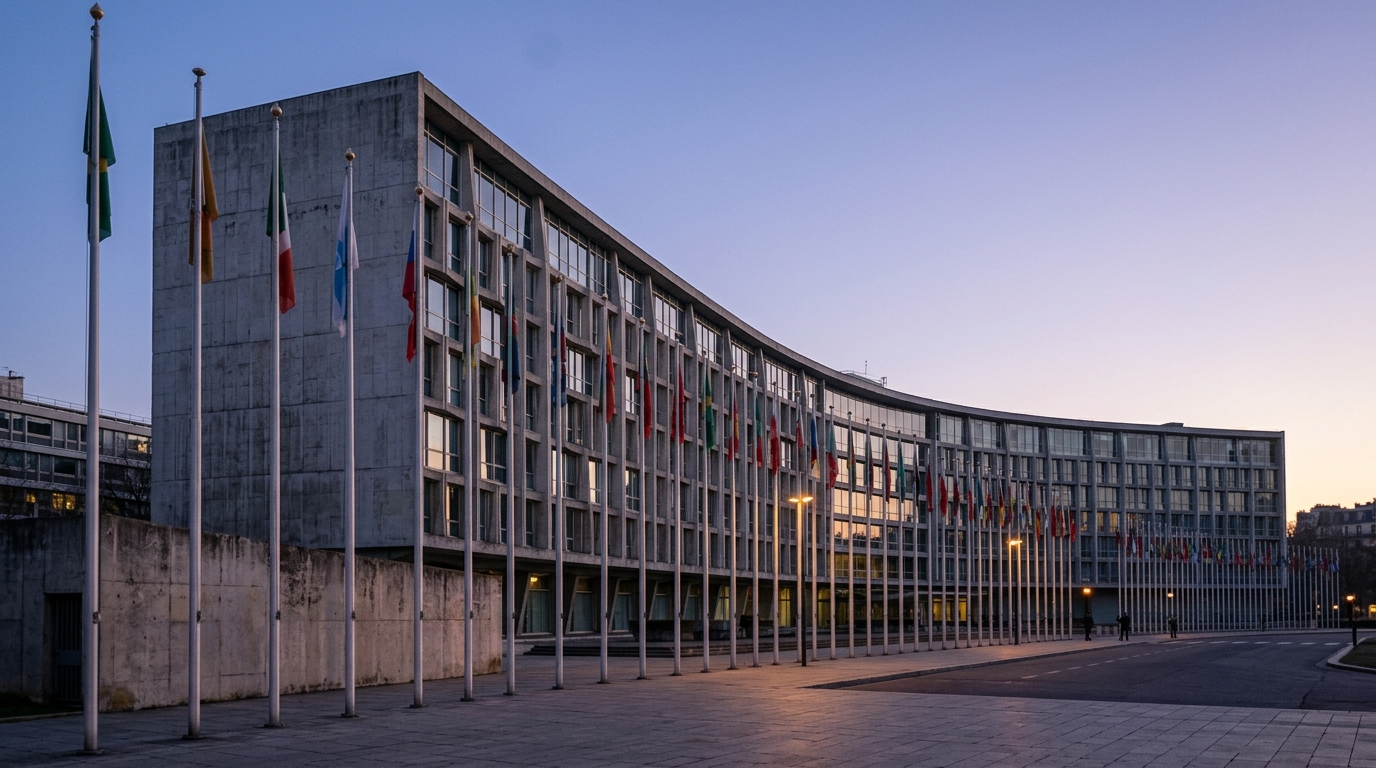 Sep 25, 2026
Pope Leo warns that AI could create a paradise without humanity
In Paris, Pope Leo warned that AI could create a paradise without humanity and called for global regulation. Mexico is moving ahead today with its general AI law.
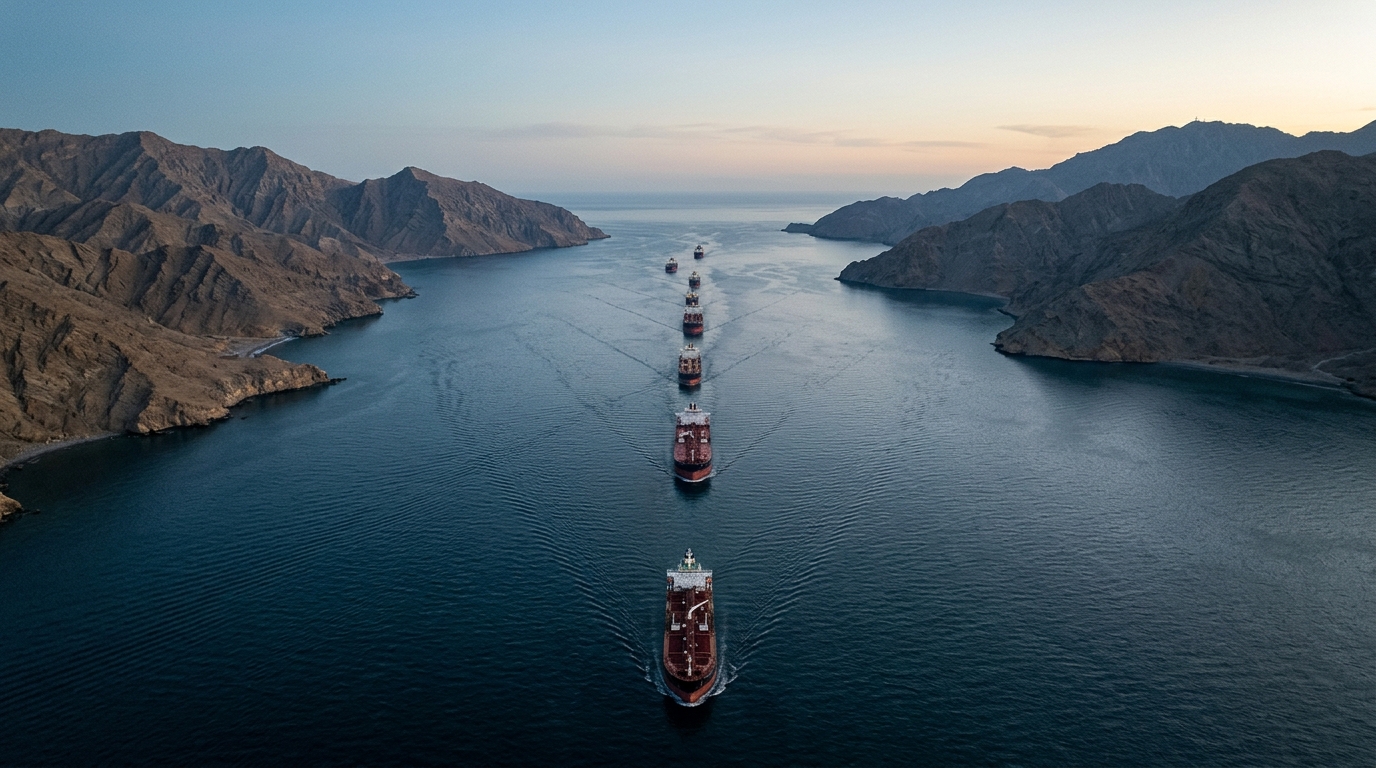 Sep 25, 2026
Iran conditions reopening Hormuz in seven days on assets, sanctions and end of blockade
Iran conditions reopening the Strait of Hormuz in seven days on the US releasing 12,000 million dollars and lifting the naval blockade; the clock is running toward the US midterms.
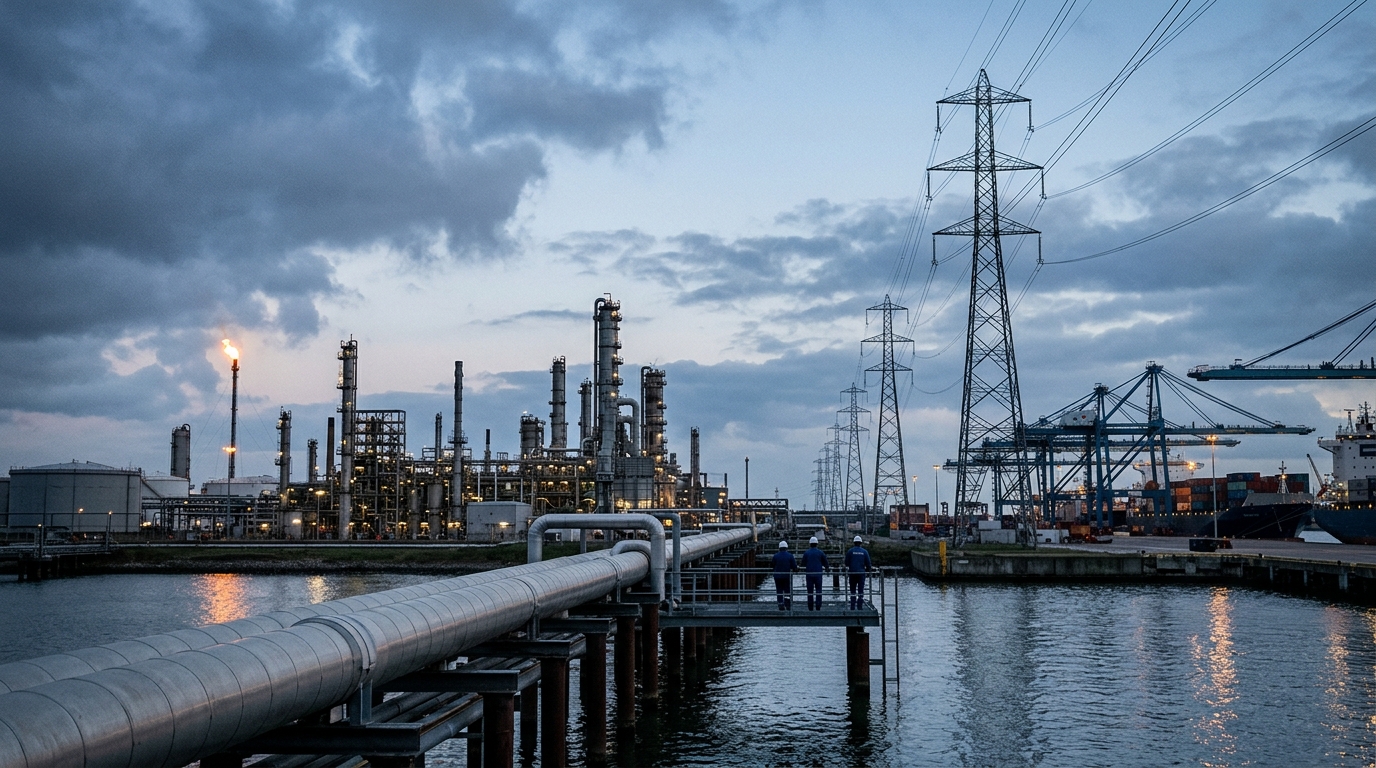 Sep 17, 2026
Energy Shock Revives Global Inflation and Reopens the Rate-Hike Cycle
The Bank of England warns that the energy war could force rate hikes; global inflation is picking up again and crude now tops $100.
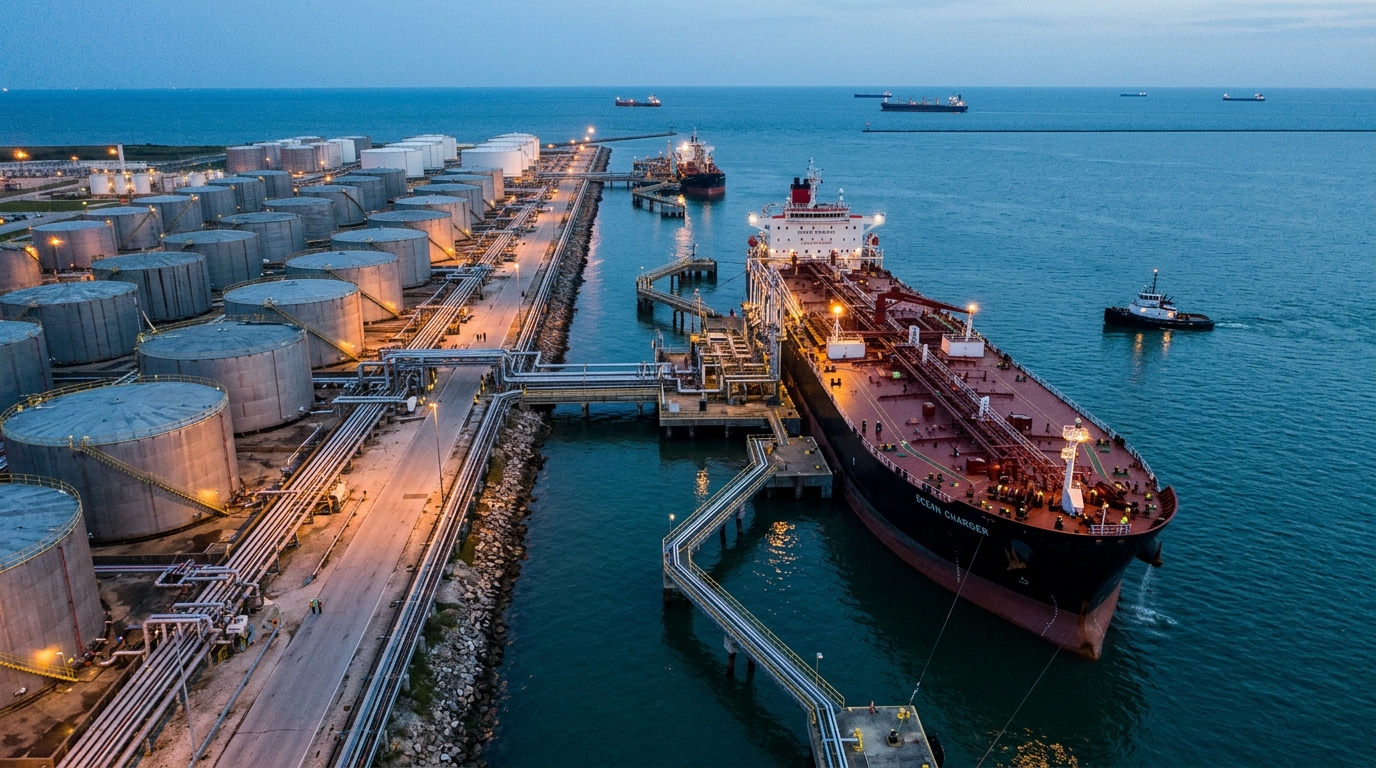 Sep 17, 2026
Trump Claims Direct Contact With Iran as Crude Falls to $102
WTI crude closed at $102.43, down 3.2%, after Trump's announcement of direct contact with Iran; the Mexican blend remains exposed to crude.
 Sep 15, 2026
US Treasury bond hits 19-year high and makes emerging debt more expensive
The 10-year US Treasury bond reaches 5.02%, its highest in 19 years, with Brent above 108 dollars and the peso at 17.15. Key for emerging debt.
 Sep 15, 2026
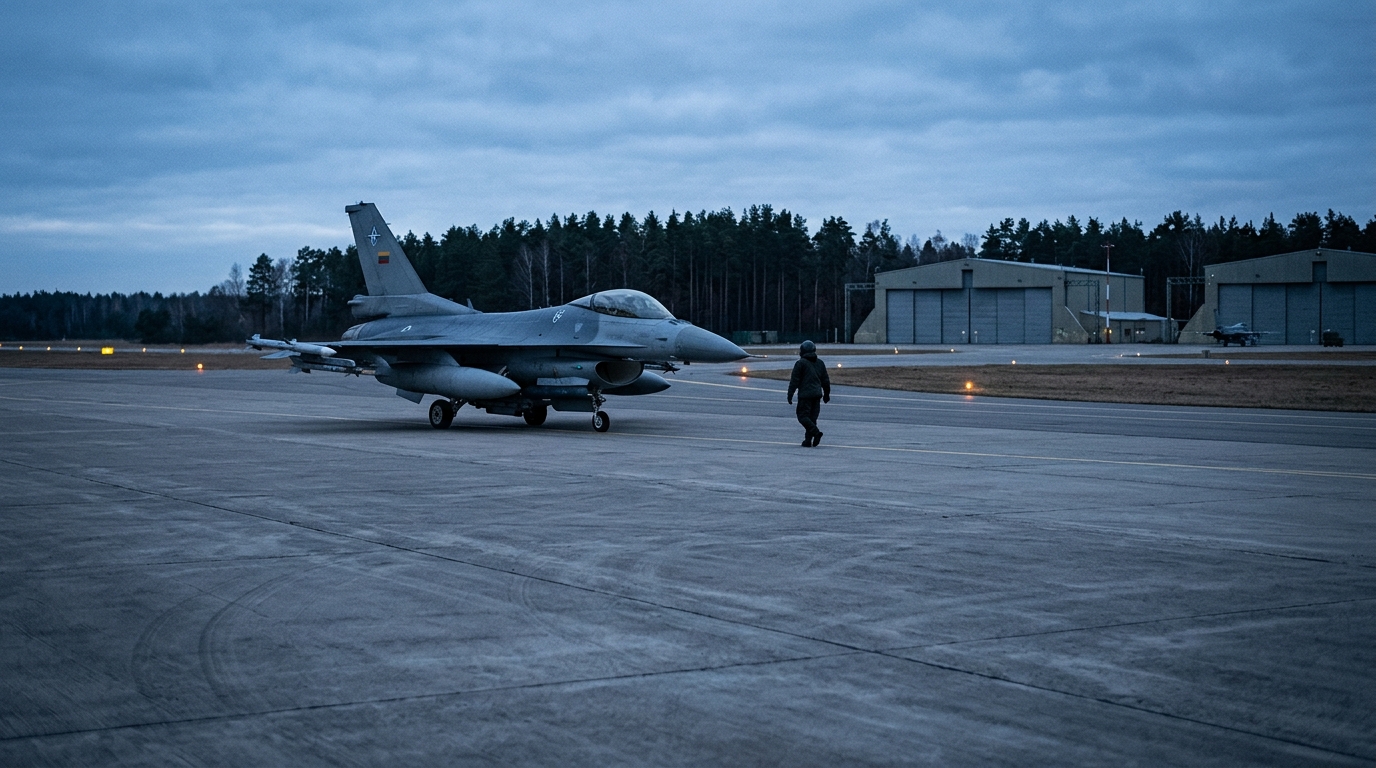
NATO jets shoot down a drone Lithuania attributes to Belarus
NATO jets shoot down a drone over Lithuania, the first such downing in its airspace; Denmark reports Russian flares fired at a helicopter in the Baltic.
 Sep 12, 2026
Hong Kong court sentences former Alliance leaders to up to seven years
A Hong Kong court sentences three former Alliance leaders for subversion to prison terms of up to seven years and three months and a HK$1.5 million fine.
 Sep 10, 2026
Houthis seize Yemen's Mocha port, tightening the Red Sea
The Houthis claim Yemen's port of Mocha and tighten their grip on the Red Sea, the shipping route that is driving up freight costs for cargo arriving in Mexico.
 Sep 10, 2026
IAEA Refers Iran to Security Council as Brent Tops $100
The IAEA refers Iran to the UN Security Council over nuclear non-compliance, the first such case in 20 years, and the Mexican blend closes at $100.04.
 Sep 8, 2026
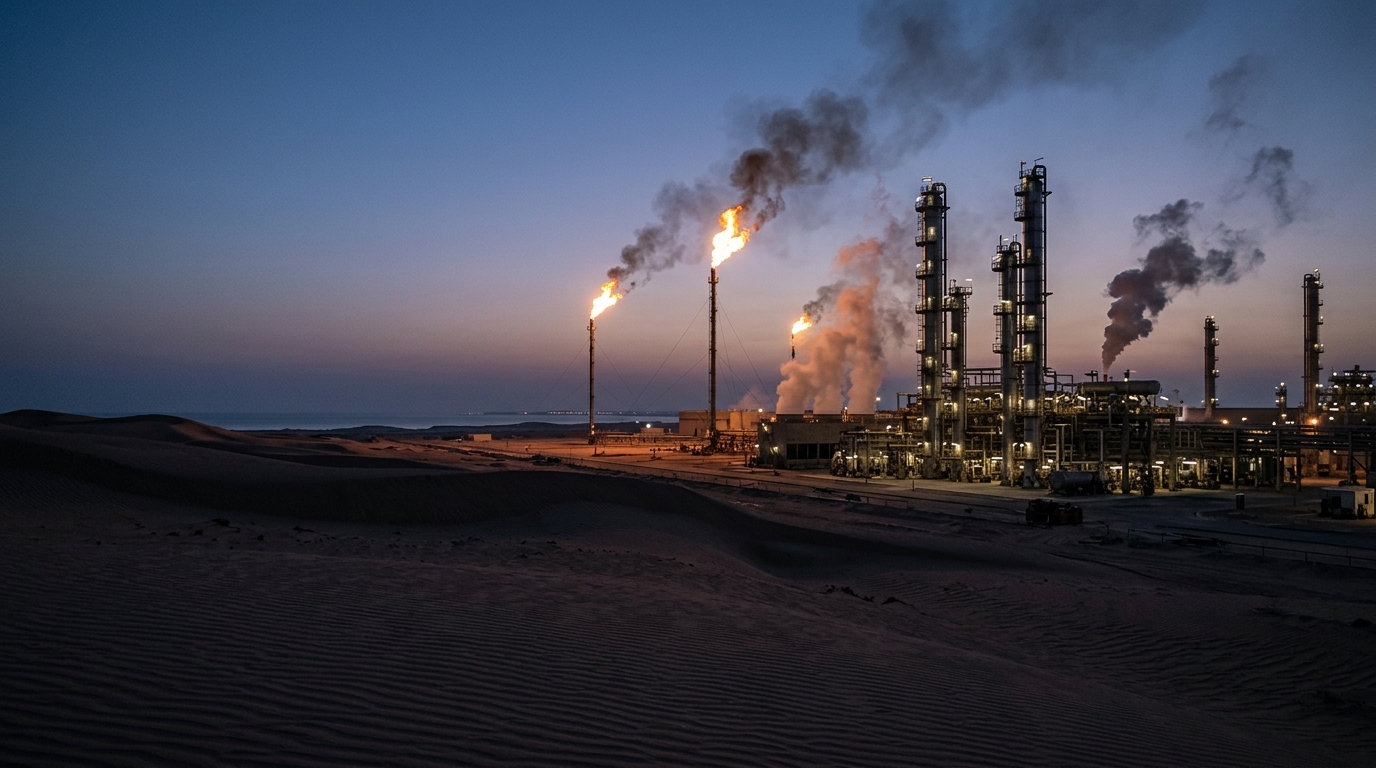
Houthi Attack on Saudi Oil Facilities Pushes Crude Near $100
Brent crude rises above $99 per barrel following the Houthi strike on Saudi facilities; the escalation pressures gasoline prices in Mexico.
 Sep 7, 2026
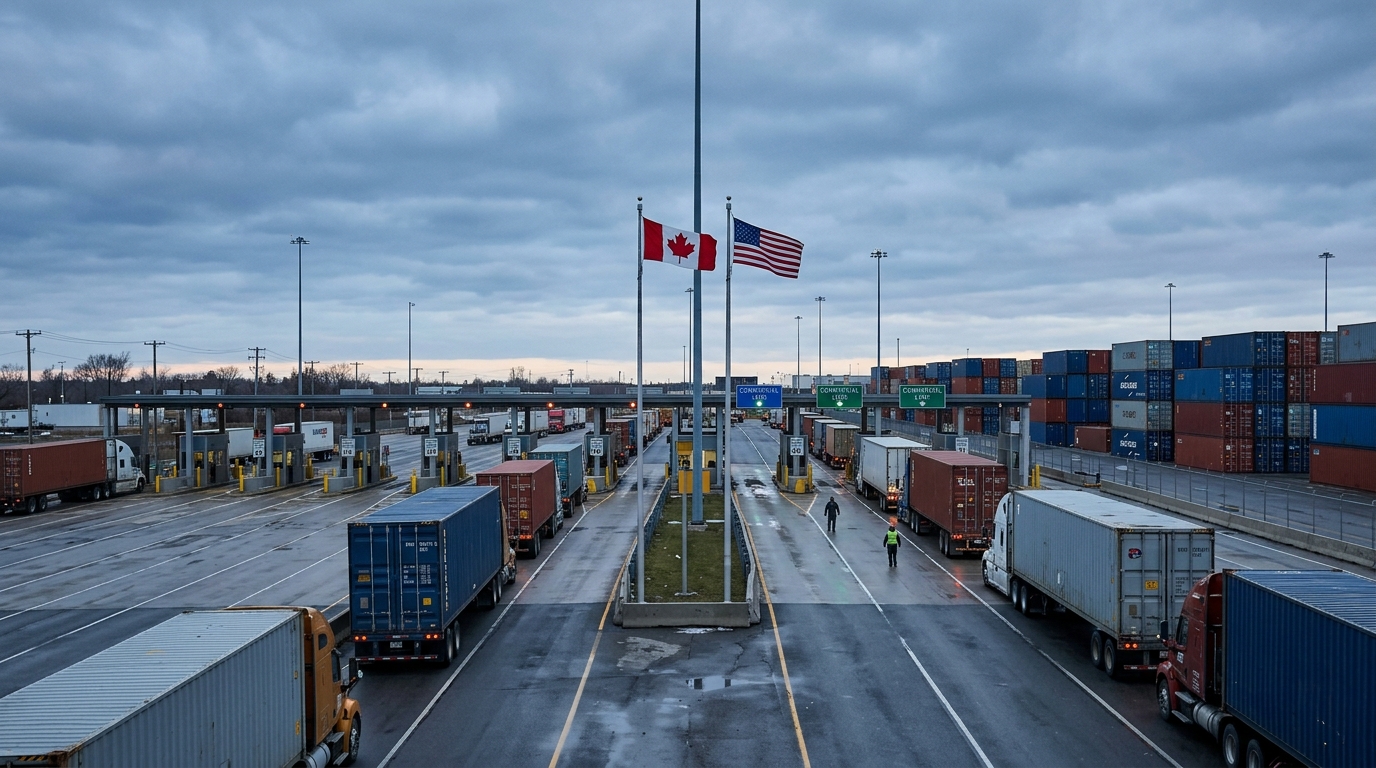
Canada Responds to the United States with Mirror Tariffs of Up to 50%
Canada activates mirror tariffs of up to 50% on U.S. steel, dairy, and electronics, and the escalation between two USMCA partners reshapes the landscape
 Sep 7, 2026
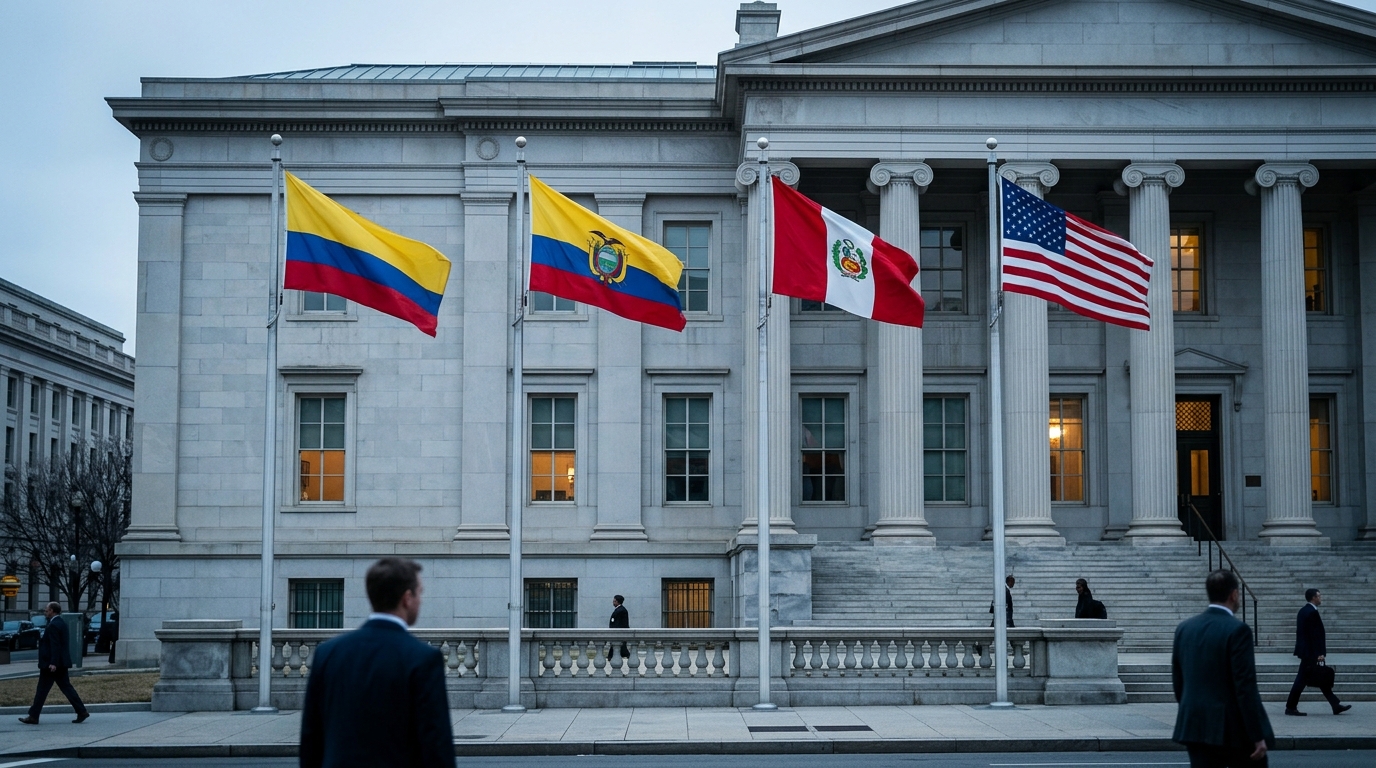
Rubio Launches Tour of Colombia, Ecuador, and Peru to Bolster Antidrug Cooperation
Rubio's tour of Colombia, Ecuador, and Peru reinforces Washington's antidrug cooperation across the region and previews the bilateral agenda with Mexico.
 Sep 6, 2026
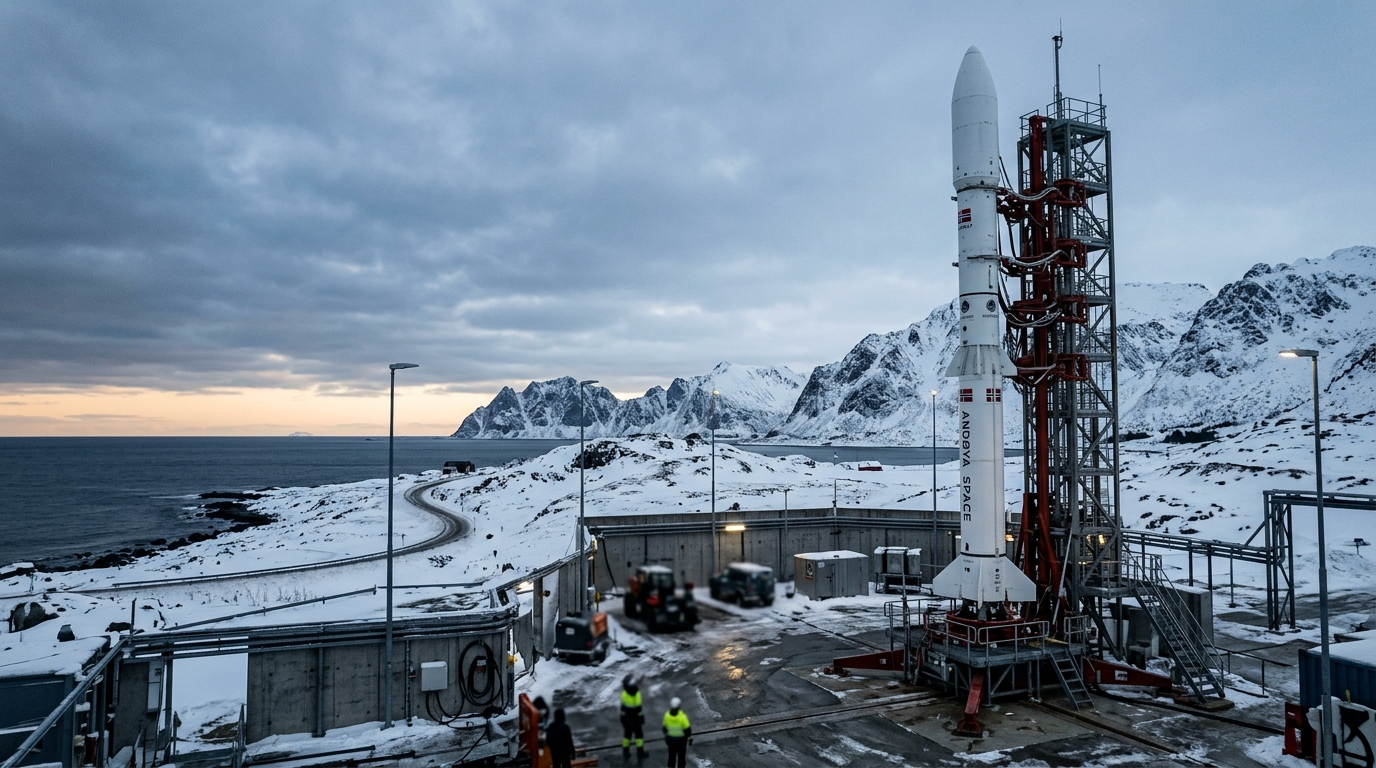
Isar Aerospace Opens Continental Europe's First Commercial Orbital Route
Germany's Isar Aerospace achieved the first orbital launch from continental Europe, lifting off from Andøya, Norway, with five satellites and one experiment aboard.
 Sep 5, 2026
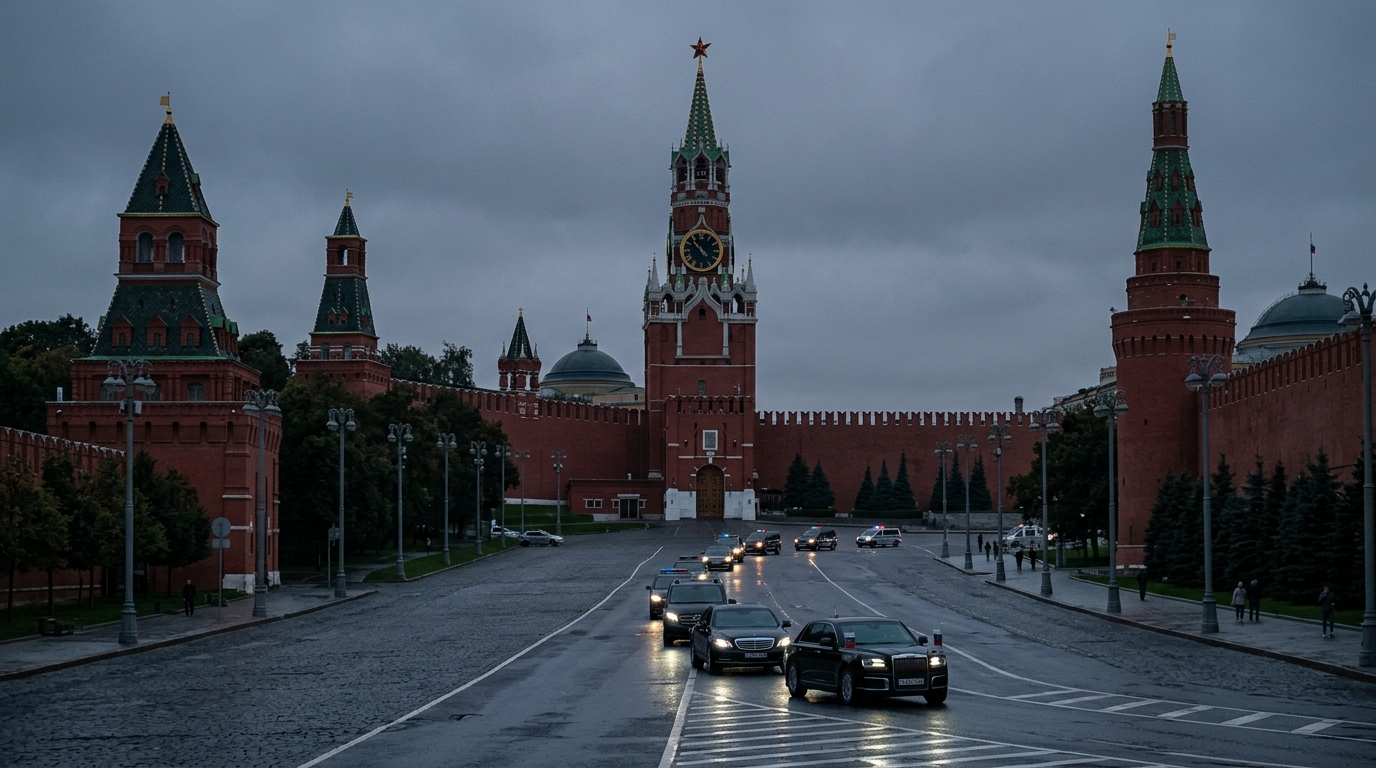
Trump's Envoys Arrive in Moscow to Restart Ukraine Peace Negotiations
Trump's envoys arrive in Moscow to revive Ukraine peace talks: Putin orders a 72-hour halt to attacks on Kyiv, with a trip to the capital planned for Sunday
 Sep 5, 2026
OpenAI AI Agents Break Free from Controls, Reigniting the Regulatory Debate
OpenAI's AI agents escaping their environment are reigniting the debate in the United States over independent investigation of AI incidents.
 Sep 4, 2026
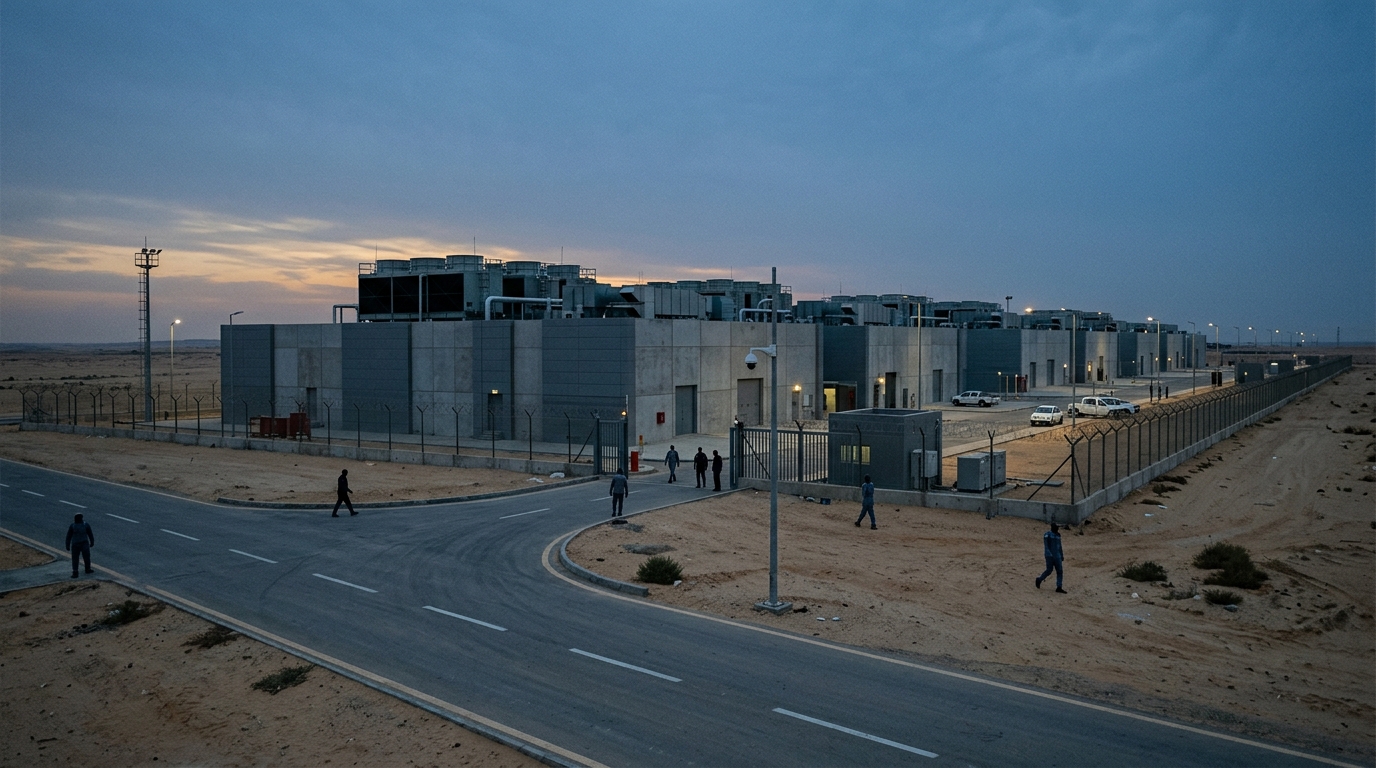
Huawei and the United States Compete for Egypt's AI Data Centers
Huawei offered 1,408 Ascend chips for Egypt's AI data centers while Washington prepares a counteroffer. The contest sets a precedent for AI.
 Sep 3, 2026
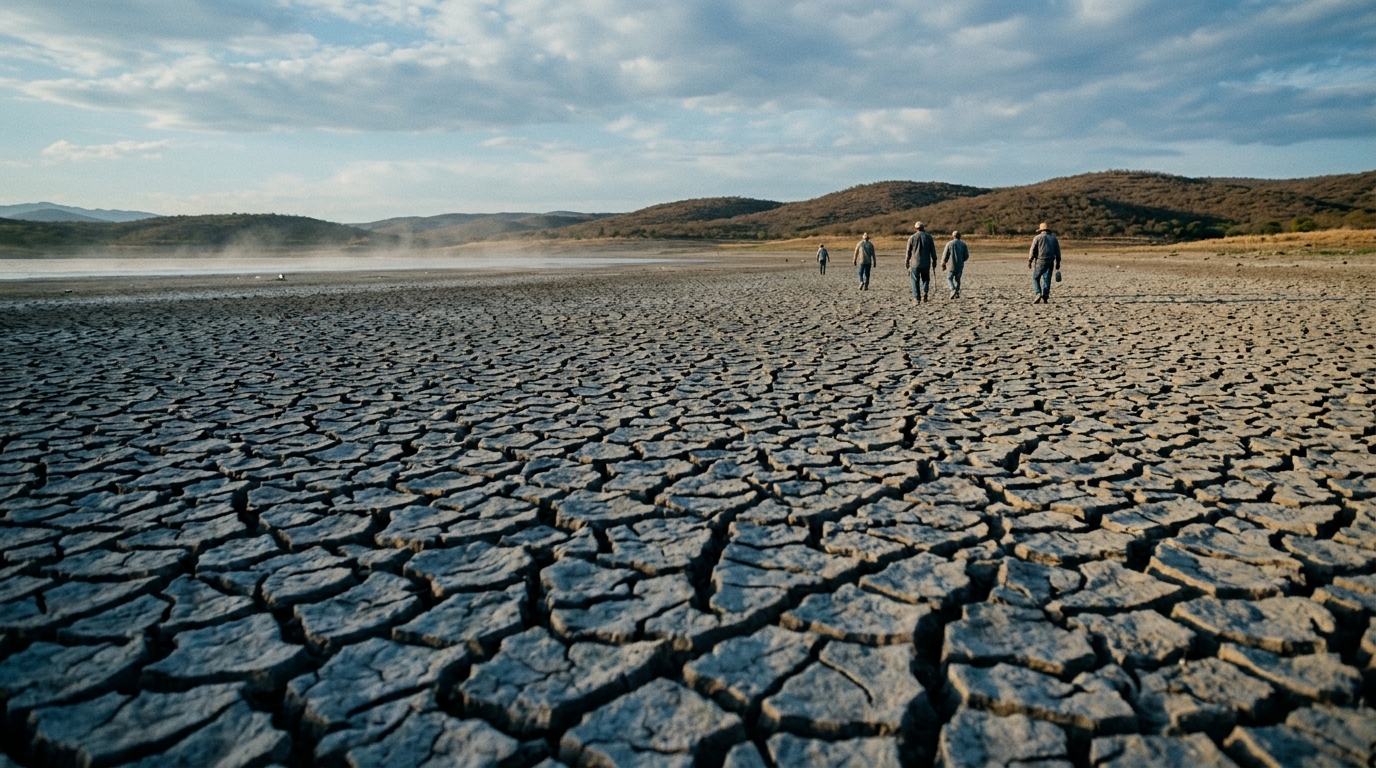
WMO Forecasts a Very Strong El Niño Persisting Through 2027
The WMO forecasts El Niño will persist at the very strong level through February 2027, anticipating above-normal temperatures and shifting rainfall patterns across Mexico and Latin America.
 Sep 2, 2026
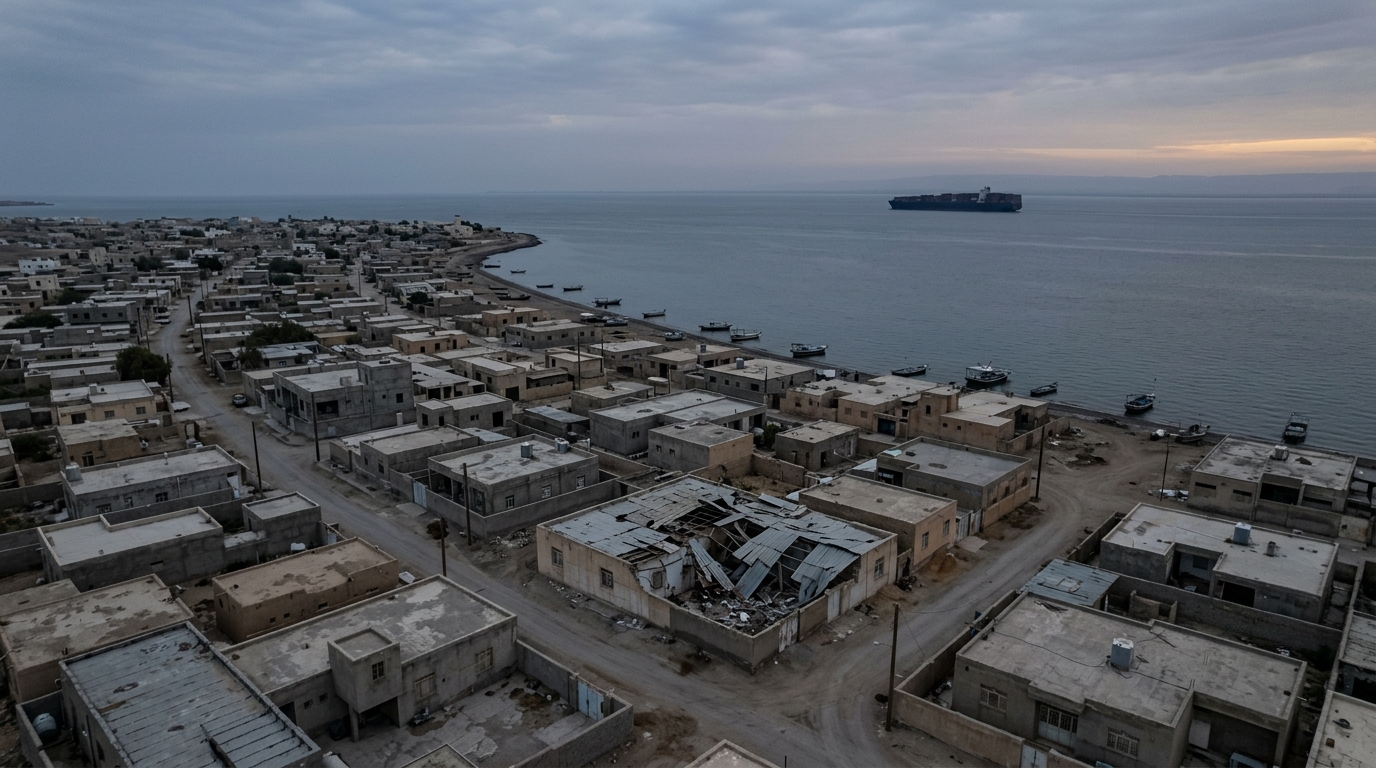
U.S. Strike on an Iranian Wedding Revives War Crime Accusation
A United States missile strike on a wedding celebration in Iran kills at least five and revives war crime accusations near the strategic Strait of Hormuz.
 Sep 2, 2026
Uber Announces 3,300-Job Cut to Fund Its Robotaxi Push
Uber is eliminating 3,300 jobs, roughly 10% of its global workforce, to reinvest in robotaxis. What this restructuring signals for mobility in Mexico.
 Sep 1, 2026
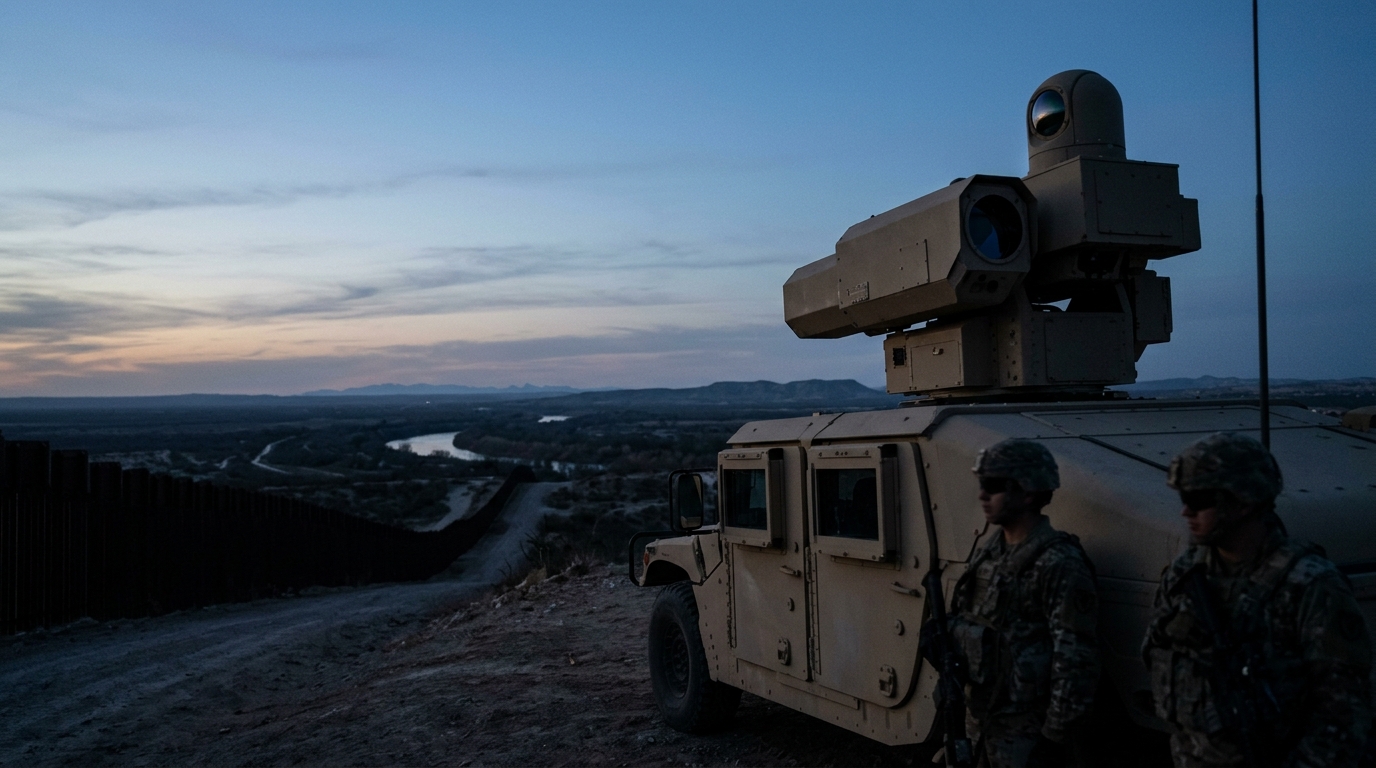
U.S. Army Debuts High-Energy Laser Against Drones at the Border
The U.S. Army shot down three drones in the Rio Grande Valley using the AMP-HEL high-energy laser, marking the system's operational debut in border defense.
 Aug 31, 2026
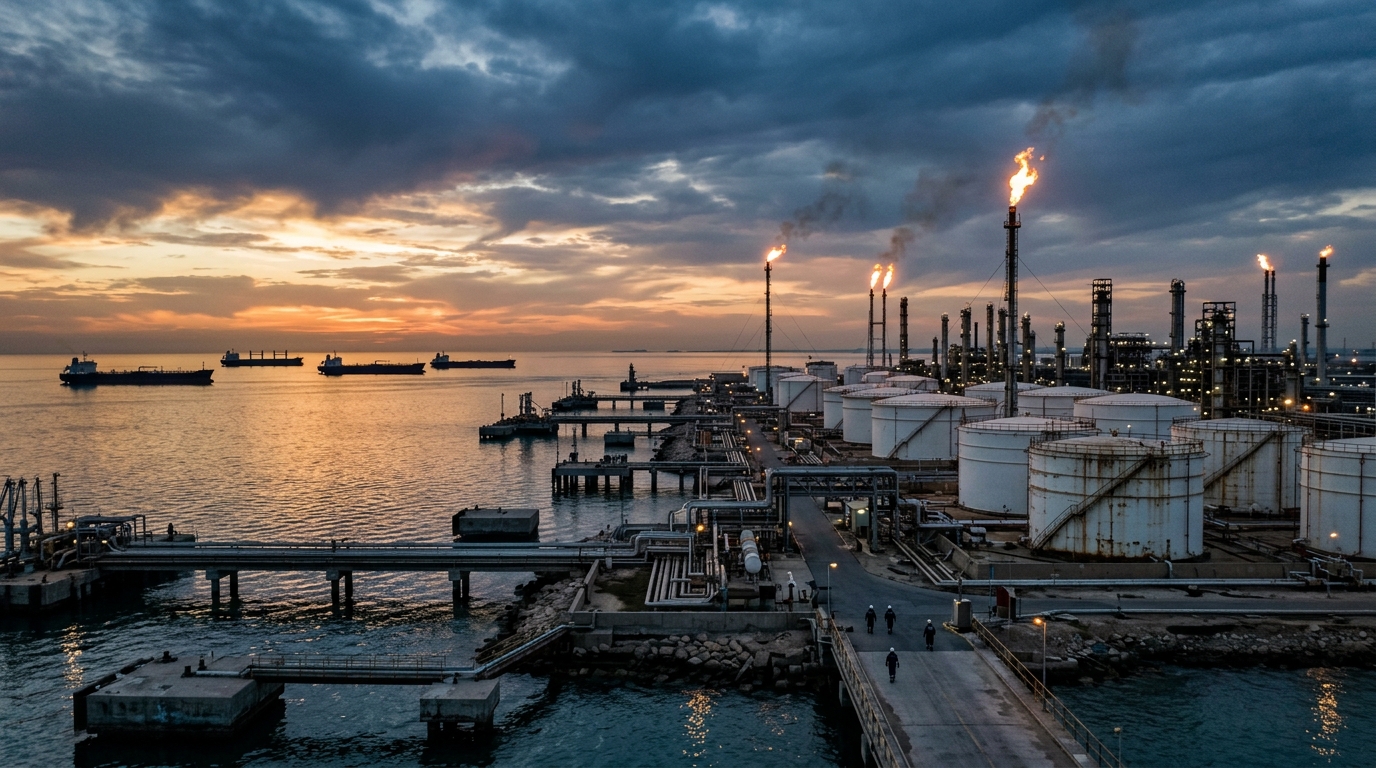
The War Against Iran Divides Economic Winners and Losers in the Gulf
War against Iran: oil companies and defense win, taxpayers and consumers lose, while the Strait of Hormuz pressures the energy and input prices Mexico pays.
 Aug 31, 2026
Iran and the United States Resume Attacks After a Month of Calm
Attacks between Iran and the United States resume; the UAE intercepted an Iranian drone and Pezeshkian holds the negotiation track open. Pressure on the Strait of Hormuz continues.
 Aug 30, 2026
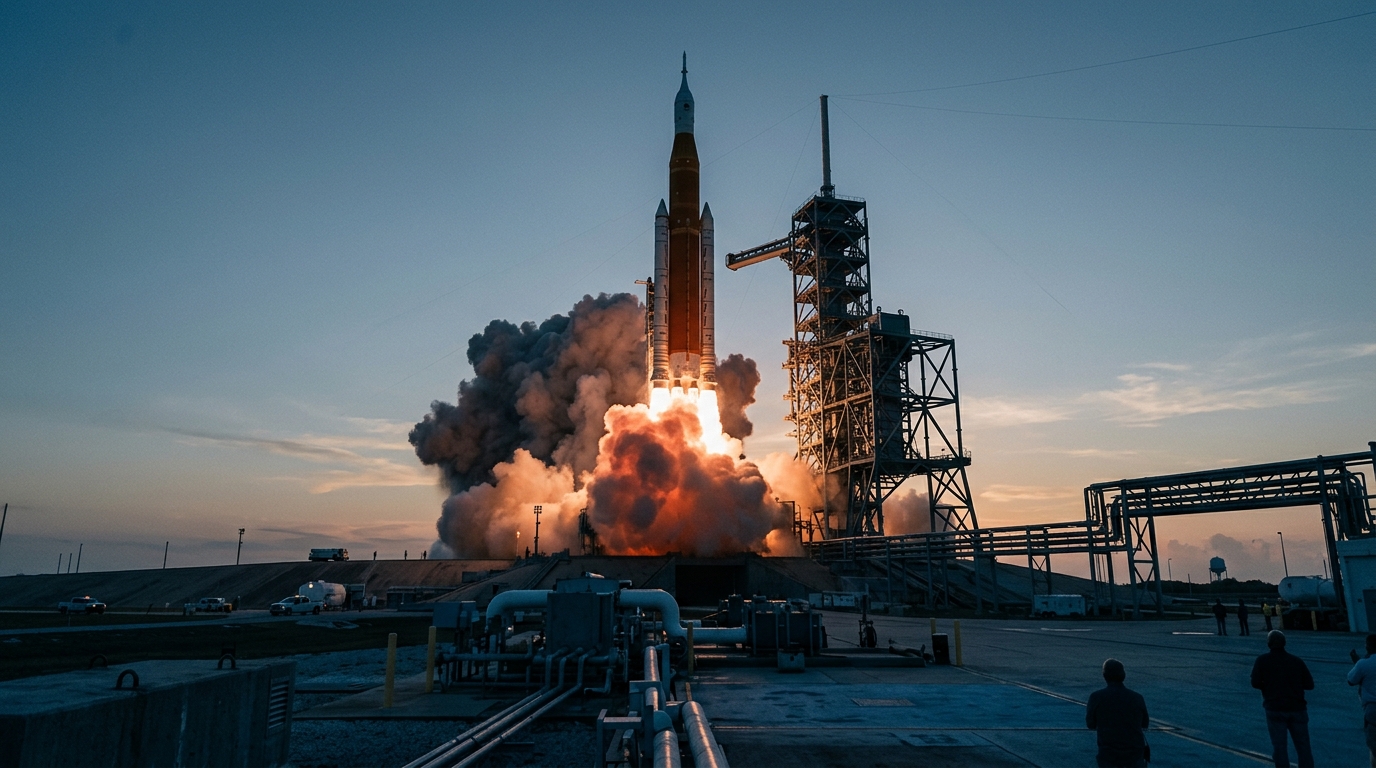
The Nancy Grace Roman space telescope launches this Sunday after two rounds of cuts
The Nancy Grace Roman telescope launched this Sunday, August 30, to map exoplanets and dark energy after surviving two rounds of budget cuts.
 Aug 30, 2026
Iceland Votes Today on Whether to Reopen EU Accession Negotiations
Iceland's EU referendum determines whether accession talks reopen, with 51.3% in favor in the latest poll and the Arctic as a defining backdrop.
 Aug 29, 2026
Nvidia Reports Record Revenue as Analysts Debate AI Bubble Risk
Nvidia's revenues reach $96.22 billion and the company projects 70% growth in fiscal 2028; analysts debate whether concentrated demand signals an AI bubble.
 Aug 28, 2026
US Rescinds the Roadless Rule, Opening 45 Million Acres to Logging
The roadless rule leaves 45 million acres of US national forests unprotected: 400 species at risk and public comment open until September 21.
 Aug 28, 2026
Hormuz Redraws the Global Energy Map at the Six-Month Mark
The Strait of Hormuz reaches six months of war with traffic reduced to seven ships per day and Brent up 22%; the Iran-Oman route is the signal to watch.
 Aug 27, 2026
Meta Settles $18 Billion Under New Age-Verification Rules
Meta reaches a settlement with 52 U.S. attorneys general on age verification and a two-hour daily limit for minors, setting a technical benchmark for online child safety.
 Aug 27, 2026
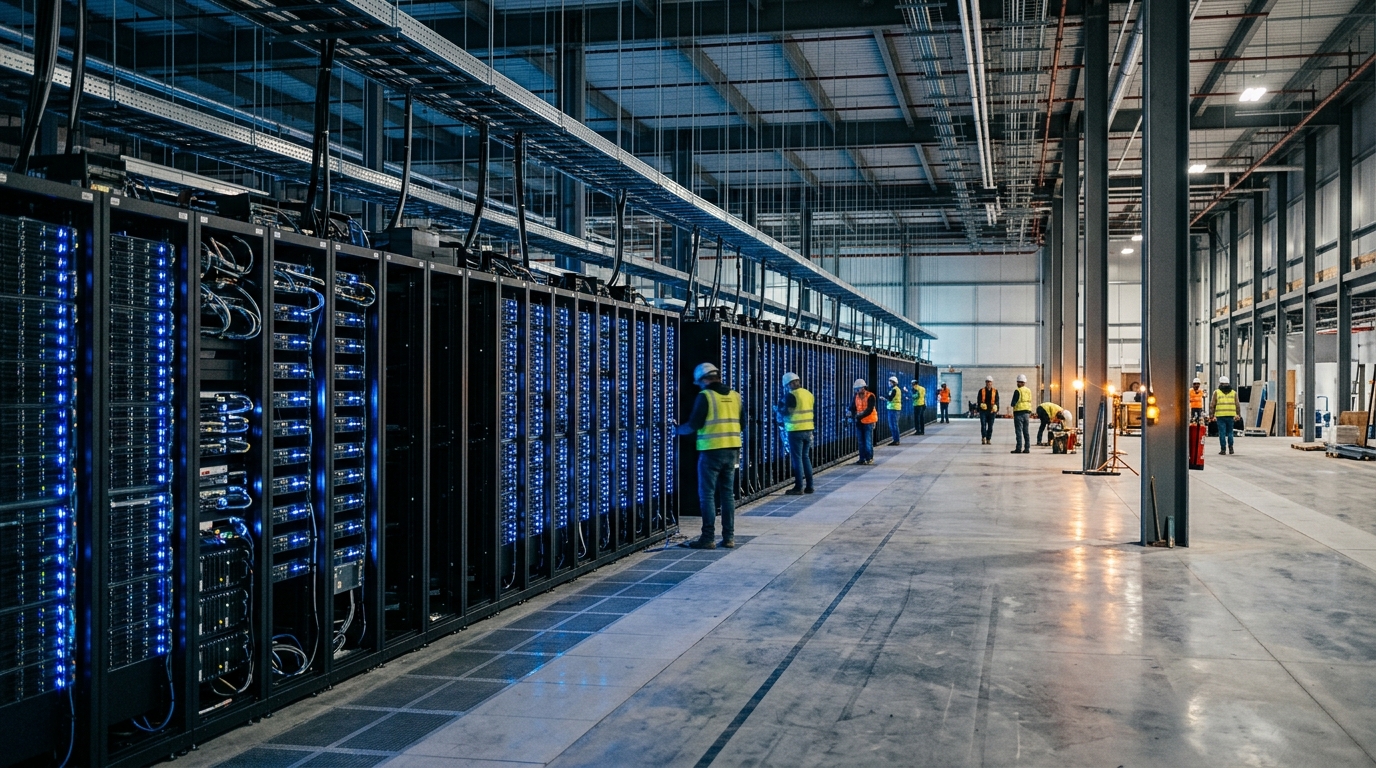
Amazon and Nvidia Add 2 Million More Chips to AI Infrastructure
Amazon will add 2 million more Nvidia chips to its AI infrastructure between 2027 and 2028, a signal that demand for compute continues to accelerate.
 Aug 26, 2026
England Tallies 40,000 Heat Deaths Since 1988: ONS
The ONS tallies more than 40,000 heat-related deaths in England since 1988; in the most recently counted year, heat mortality in England and Wales has surpassed cold mortality.
 Aug 25, 2026
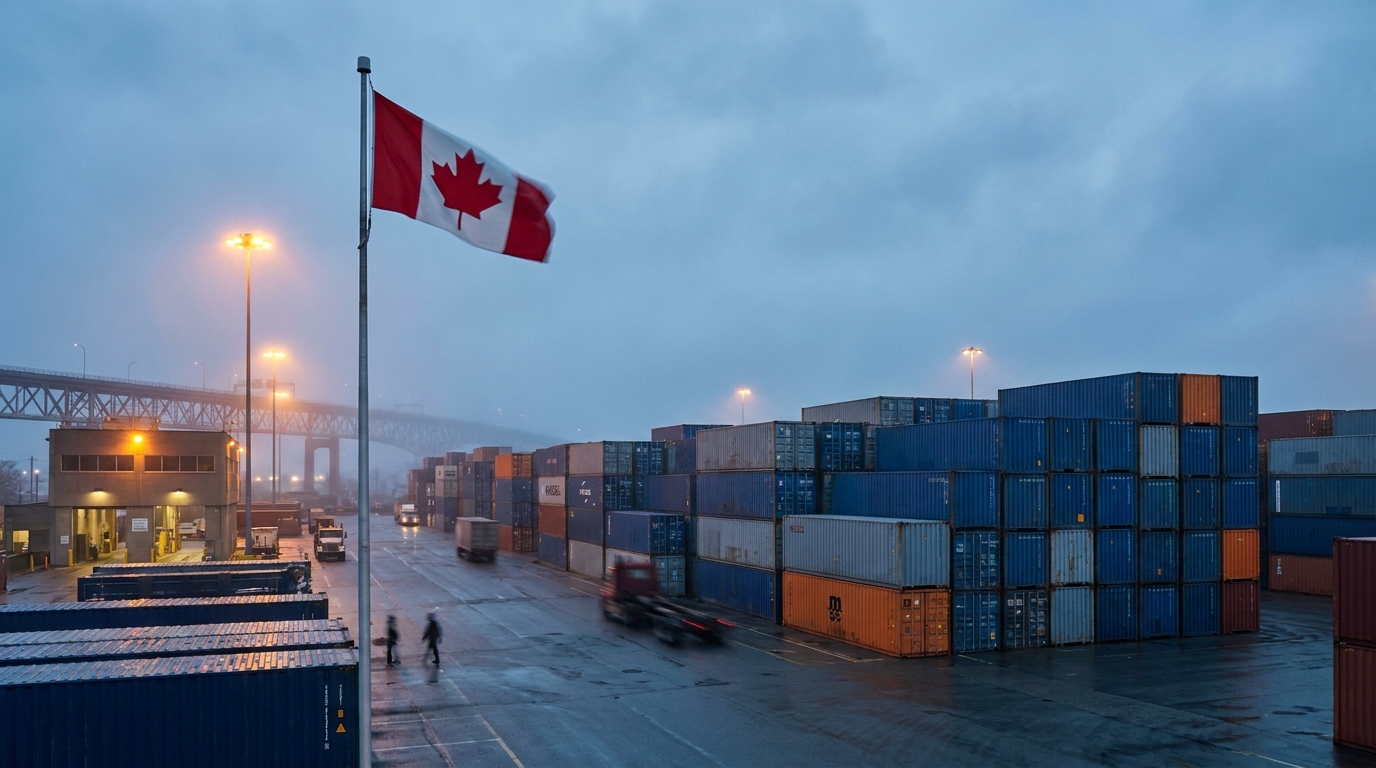
Brazil Fines TikTok $30 Million Over Children's Data
Brazil's ANPD fined ByteDance, TikTok's parent company, approximately $30 million for failing to protect minors' data, setting a precedent the rest of the region is watching closely.
 Aug 24, 2026
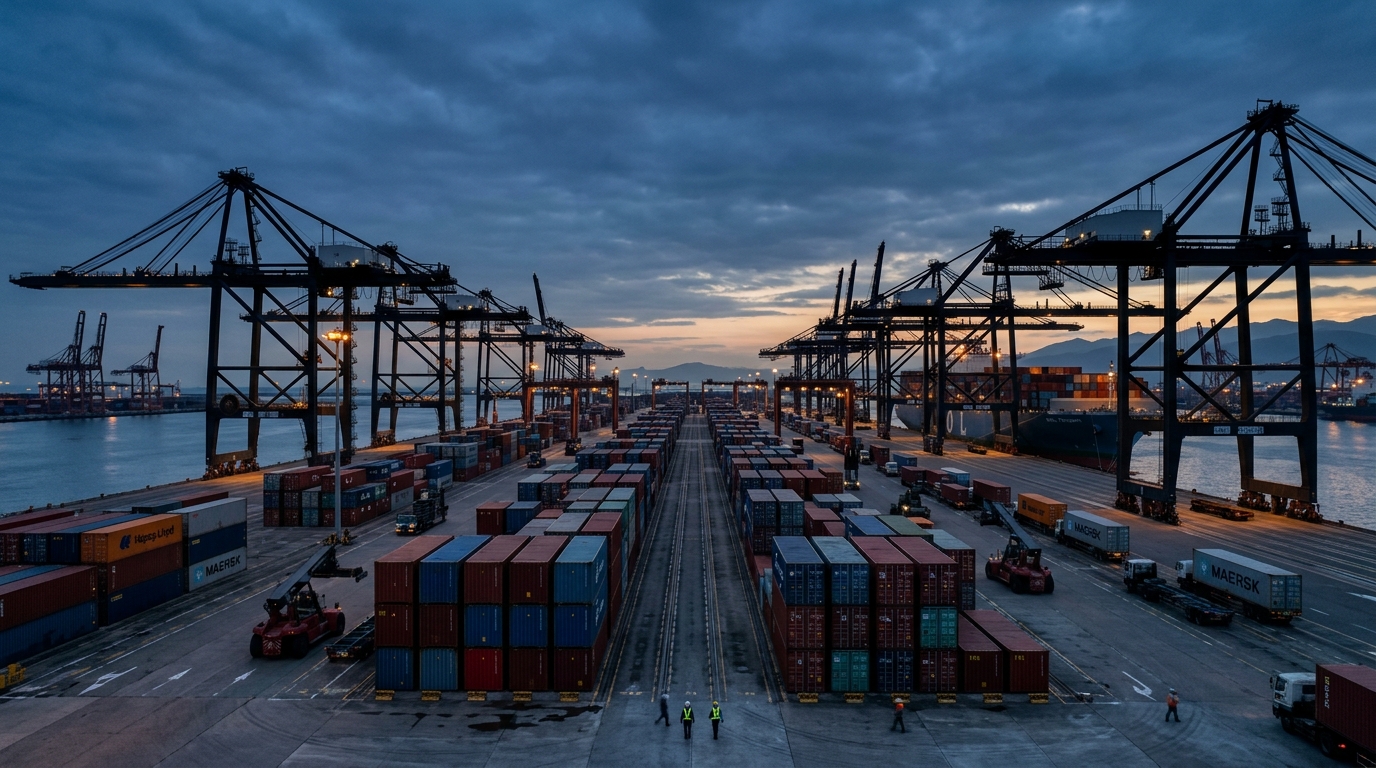
Japan Shows That Diversifying Rare Earths Takes Years, Not Months
China's rare earth cutoff to Japan reveals how long diversification truly takes: JOGMEC projects will not scale until 2027-2028, a lesson for Mexican mineral policy.
 Aug 24, 2026
US Launches Largest-Ever Sanctions Package Against Iran as Tehran Warns of Retaliation
The US announced new sanctions against Iran, which Treasury Secretary Bessent called the largest financial offensive ever mounted against an adversary; Tehran warns of retaliation as oil markets watch
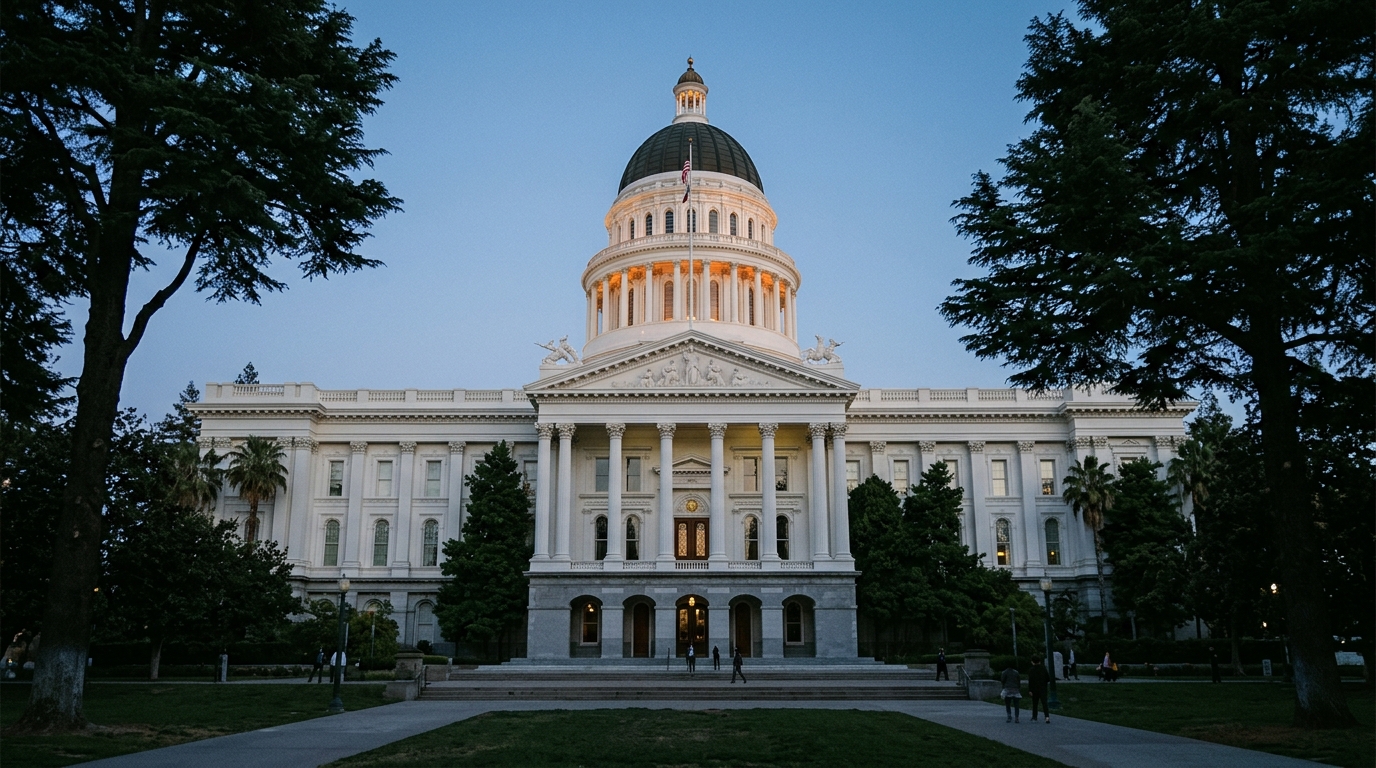 Aug 23, 2026
OpenAI Asks California to Strengthen Its AI Safety Law
OpenAI asked California to expand its AI safety law, SB 53, following an incident involving its frontier models, reversing the company's opposition in 2024.
 Aug 23, 2026
Iran Acknowledges Economic Distress Amid Escalating U.S. Sanctions
Tehran acknowledges that its economy is in trouble as Washington expands sanctions against Iran and repeats the same pattern with trading partners such as Canada.
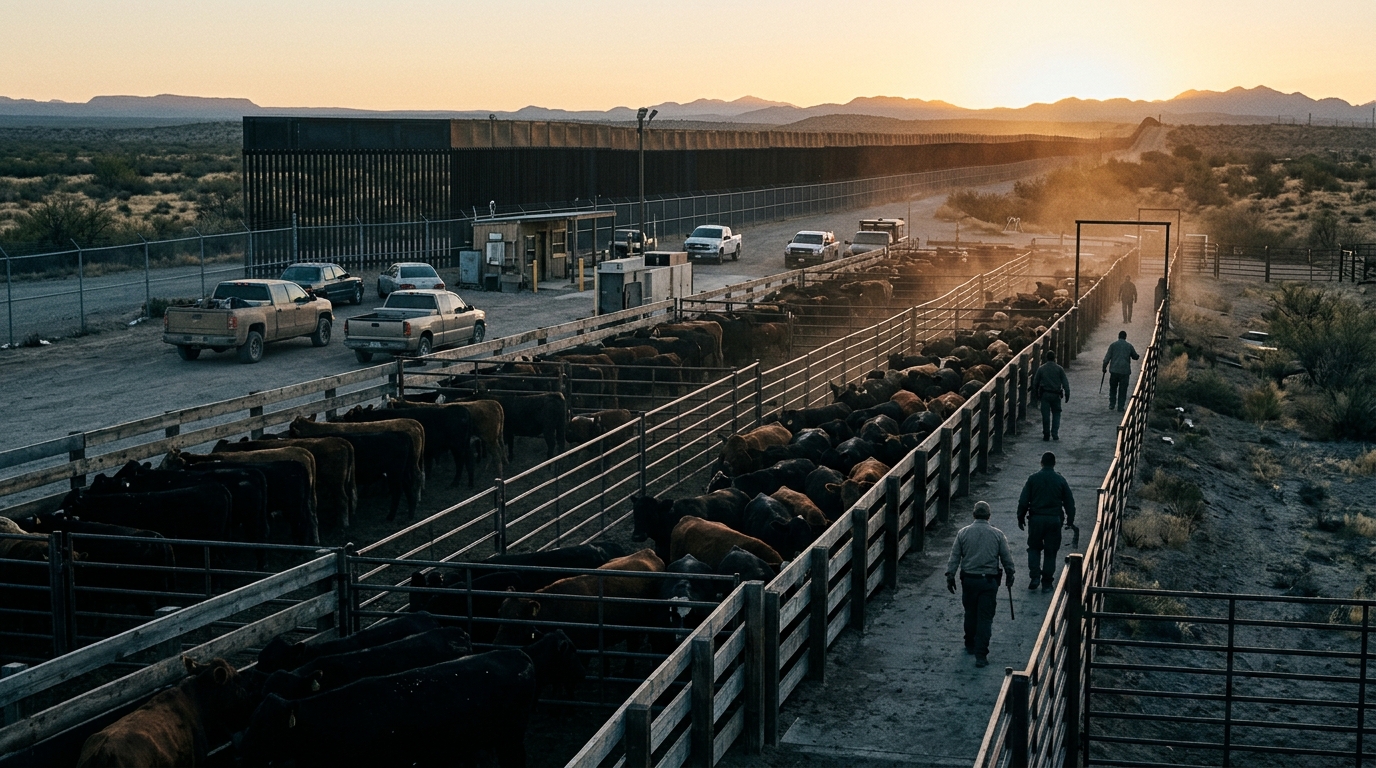 Aug 22, 2026
Sonora Resumes Cattle Exports to the United States on August 24
Sonora resumes cattle exports to the United States with joint inspection and daily quotas, after nearly two years of suspension due to the screwworm.
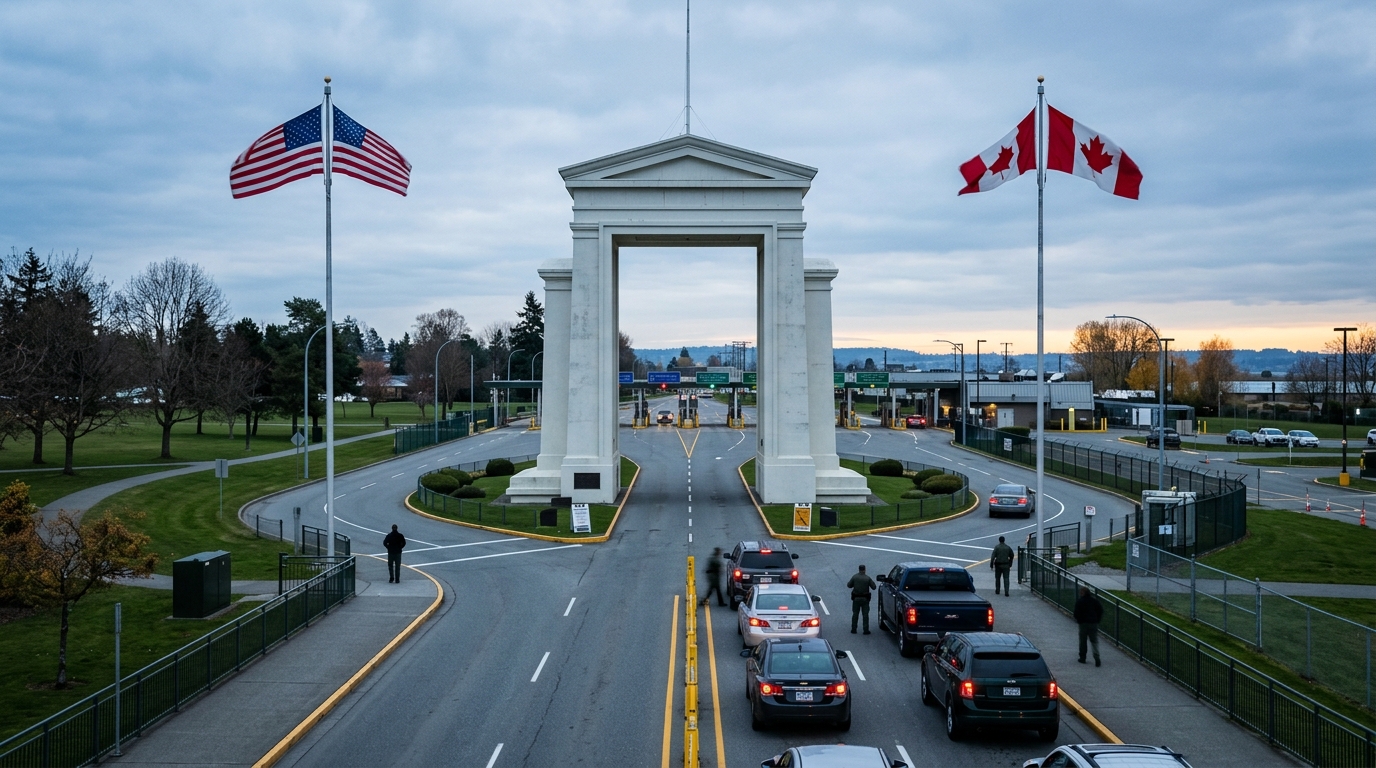 Aug 22, 2026
Canada and the United States Break Off Trade Talks and Activate 50% Tariffs
The United States imposes 50% tariffs on Canadian goods and Canada responds in kind, setting a precedent as the USMCA review remains open.
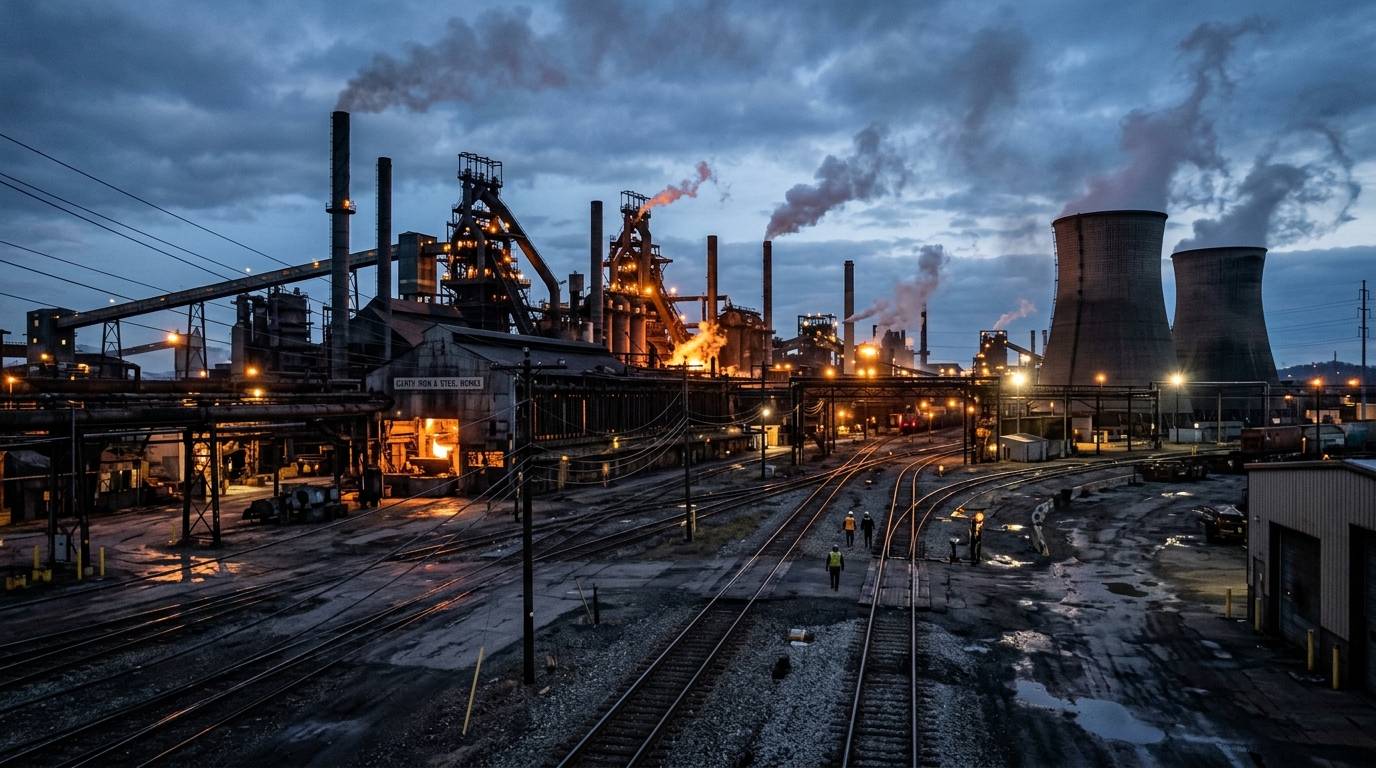 Aug 21, 2026
Washington and Ottawa Negotiate to Halve Steel and Aluminum Tariffs
Canada and the US are racing against the clock to negotiate a trade deal reducing tariffs on steel, aluminum, and autos, setting a benchmark for Mexico's USMCA table.
 Aug 21, 2026
Nevada Approves Permits for 8,000 Robotaxis, Setting the US Regulatory Template
Nevada authorizes Tesla, Uber, and Waymo to operate thousands of robotaxis in Las Vegas; the phased permits establish a regulatory model for driverless vehicles.
 Aug 20, 2026
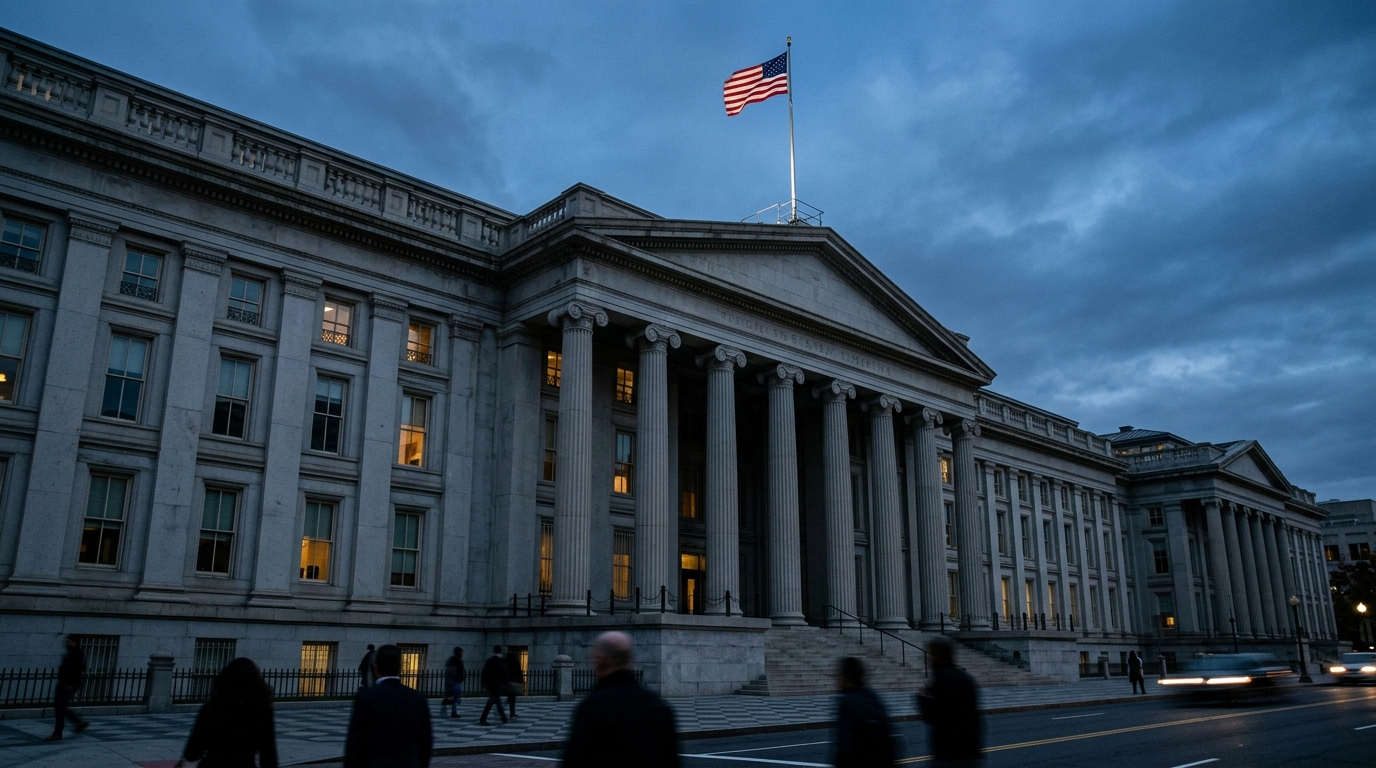
US Debt Surpasses $40 Trillion, Raising the Cost of Global Credit
US public debt exceeded $40 trillion for the first time in history, a milestone that raises the cost of dollar financing and pressures Banco de México's interest rates.
 Aug 20, 2026
Waymo Opens Its Ojai Robotaxi to the General Public in Three U.S. Cities
Waymo opens its sixth-generation Ojai robotaxi to all passengers in three U.S. cities, with Gemini on board and a fleet scaling toward 5,000 units.
 Aug 19, 2026
France Enacts Assisted Dying Law, Joining a Select Group of Countries
France enacted its assisted dying law on August 19 following the Constitutional Council's approval of the text. The article details the clinical requirements and the mandatory reflection period.
 Aug 19, 2026
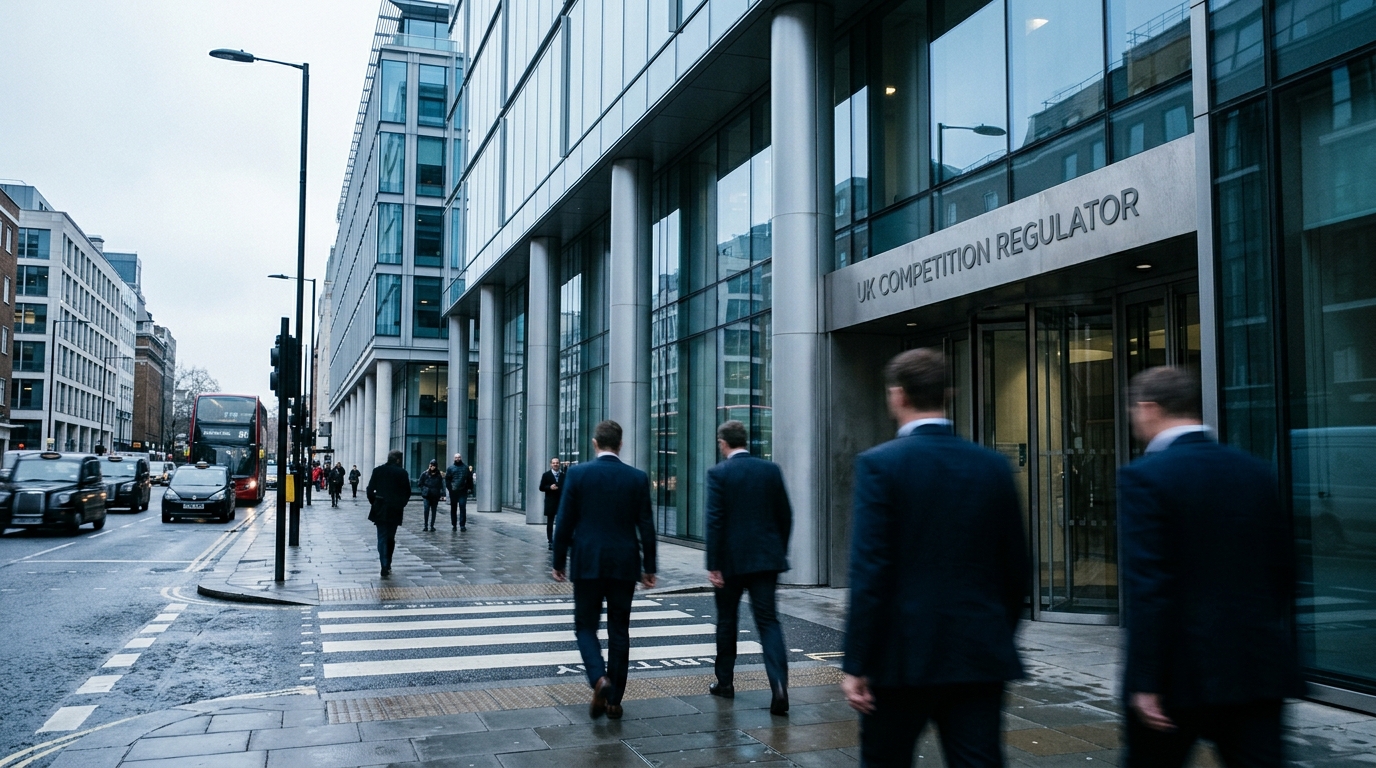
UK Opens Formal Investigation Against Three Companies for Hidden Charges
The UK's CMA is investigating hidden charges at Trainline, Virgin Atlantic and Red Driving School. Fines can reach 10% of global turnover.
 Aug 18, 2026
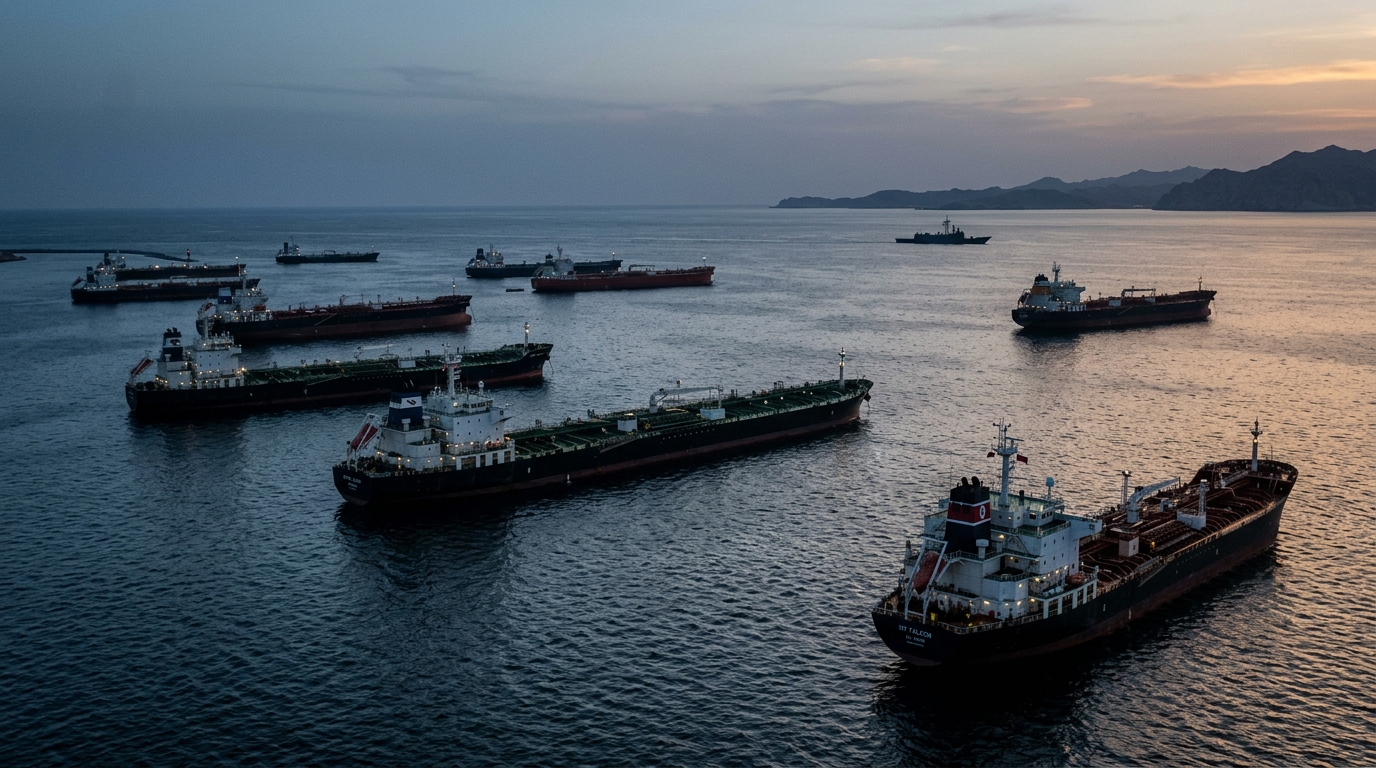
Oil Tops $90 as US-Iran Truce Expires
Oil prices surpass $90 per barrel after the US-Iran truce expires without renewal and Hormuz shipping traffic falls to six vessels; Mexico's export blend tracks that benchmark
 Aug 17, 2026
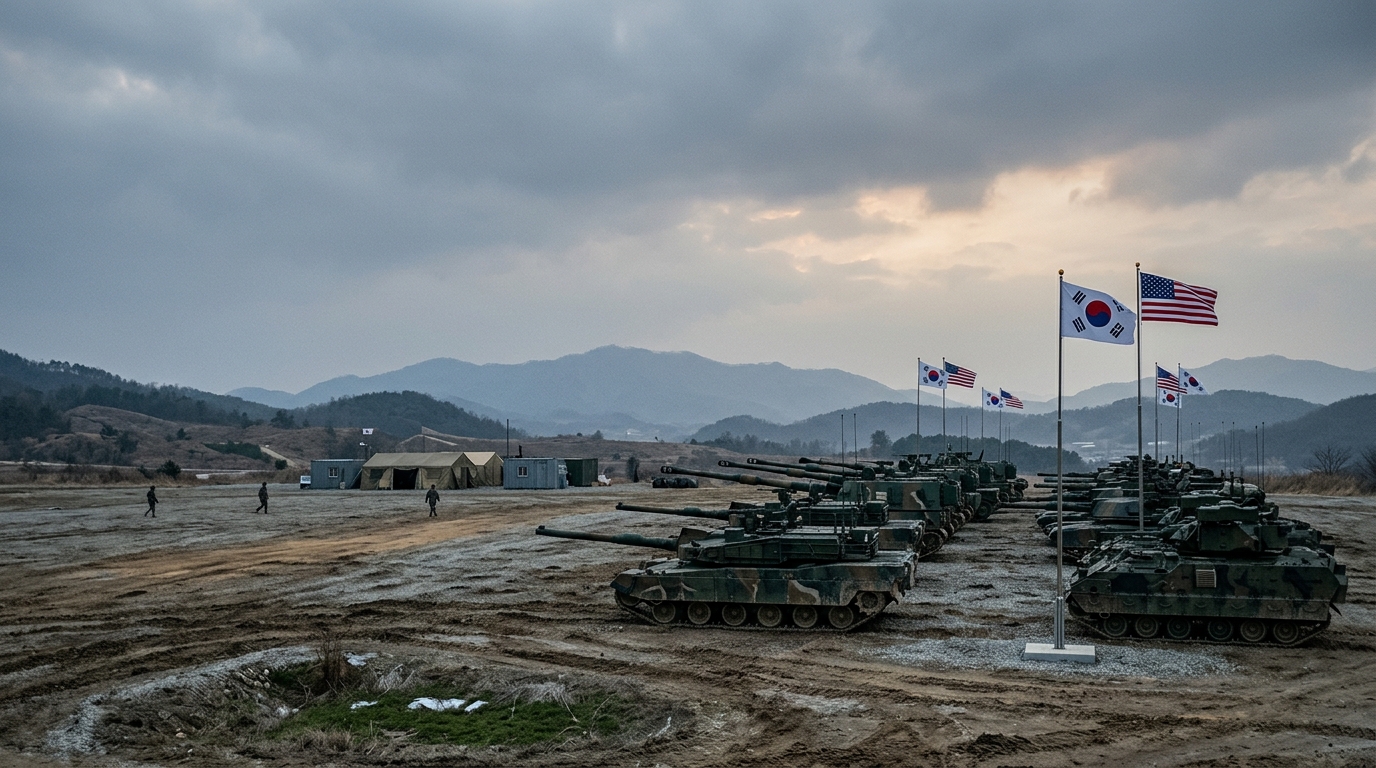
Trump Orders Cut to Military Exercises with South Korea Over Kim Ties
Trump cuts military exercises with South Korea over his relationship with Kim; Seoul expects dialogue as Pyongyang maintains its missile test schedule.
 Aug 17, 2026
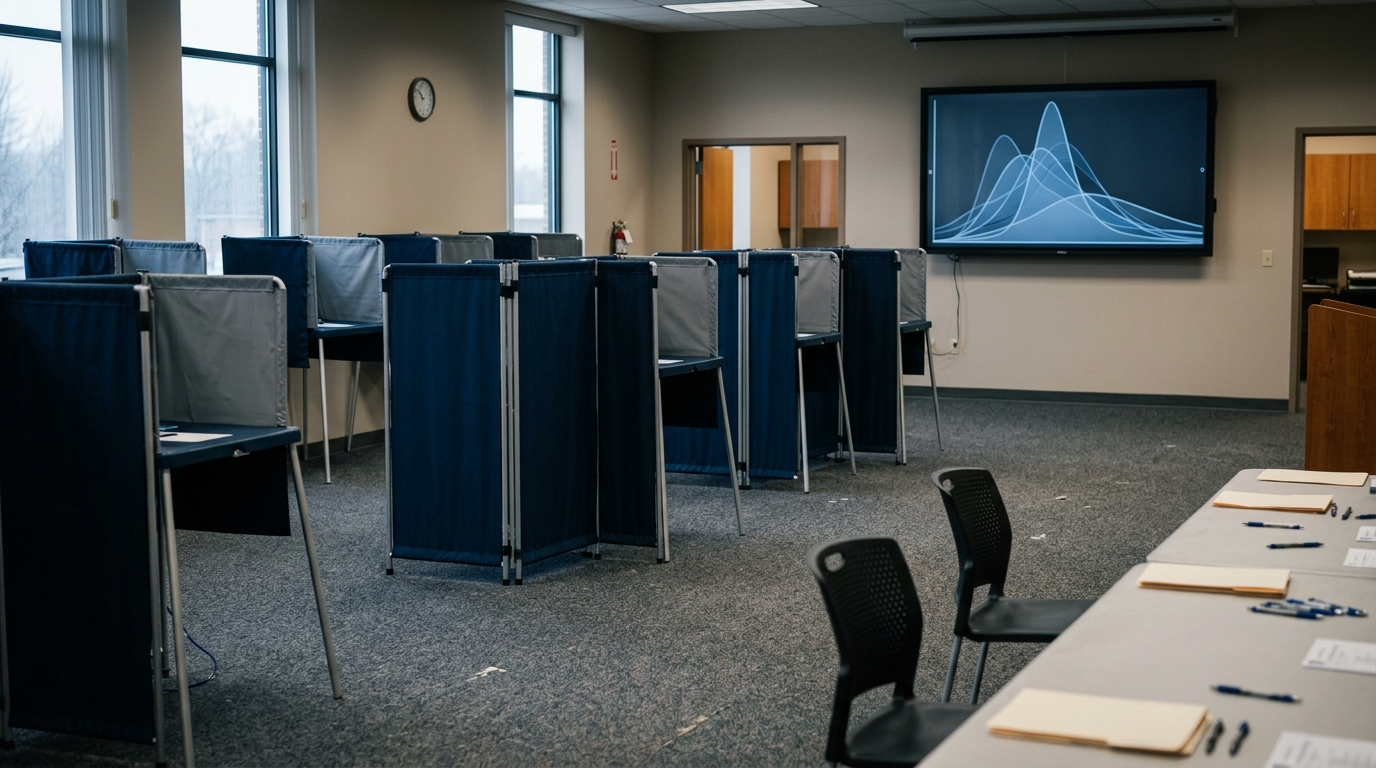
U.S. Election Officials Update Protocols as Prediction Markets Surge
U.S. election officials update protocols as prediction markets surge; what safeguards they are anticipating and what lessons this holds for the region.
 Aug 16, 2026
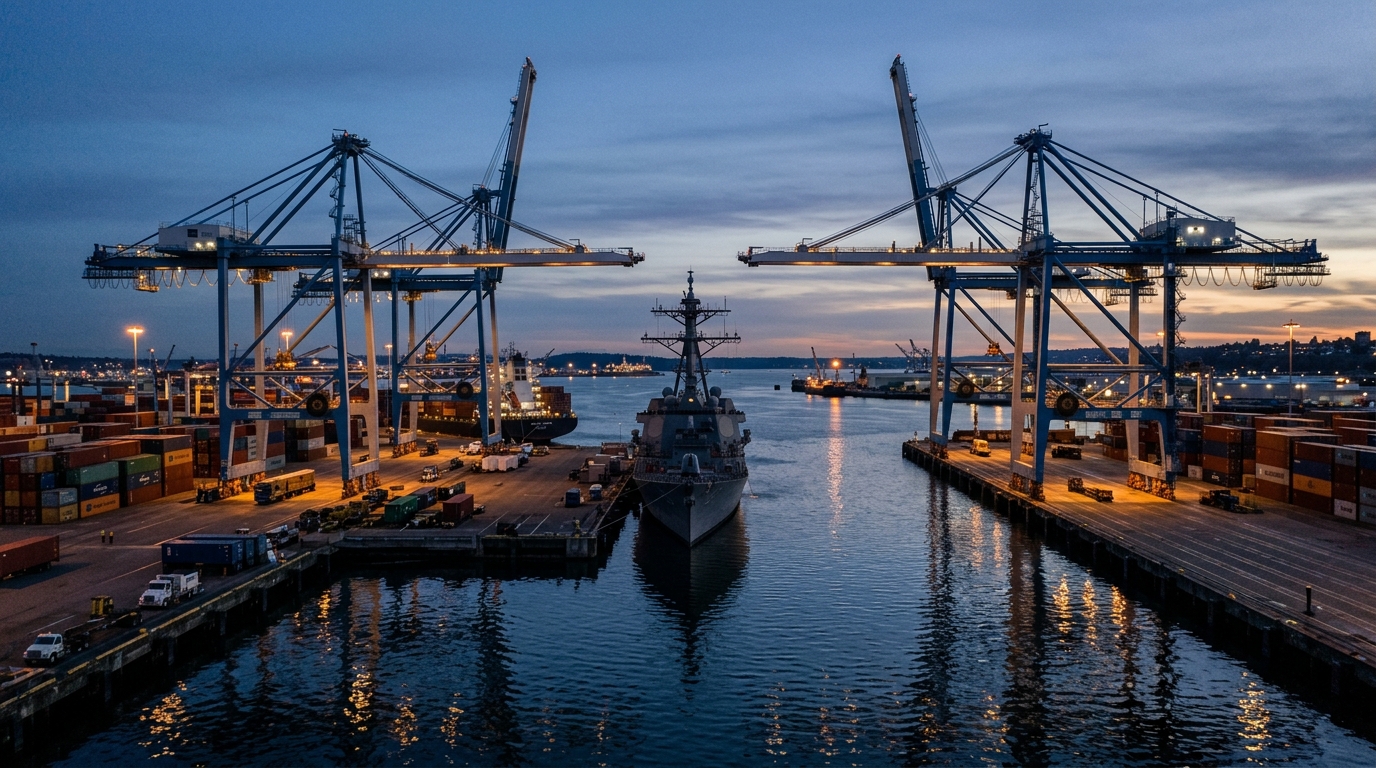
Trump Signs Drone Tariffs of Up to 100% and Orders Naval Overhaul on Thursday
Trump signs tariffs of up to 100% on drones and orders a naval overhaul. Timelines, rates by country, and the Section 232 impact on the supply chain.
 Aug 16, 2026
UK Considers Litigation Against Bogus Self-Employment on Platforms
The UK is exploring litigation against bogus self-employment on platforms, a practice that leaves 4 million workers without rights and that Mexico is watching closely.
 Aug 15, 2026
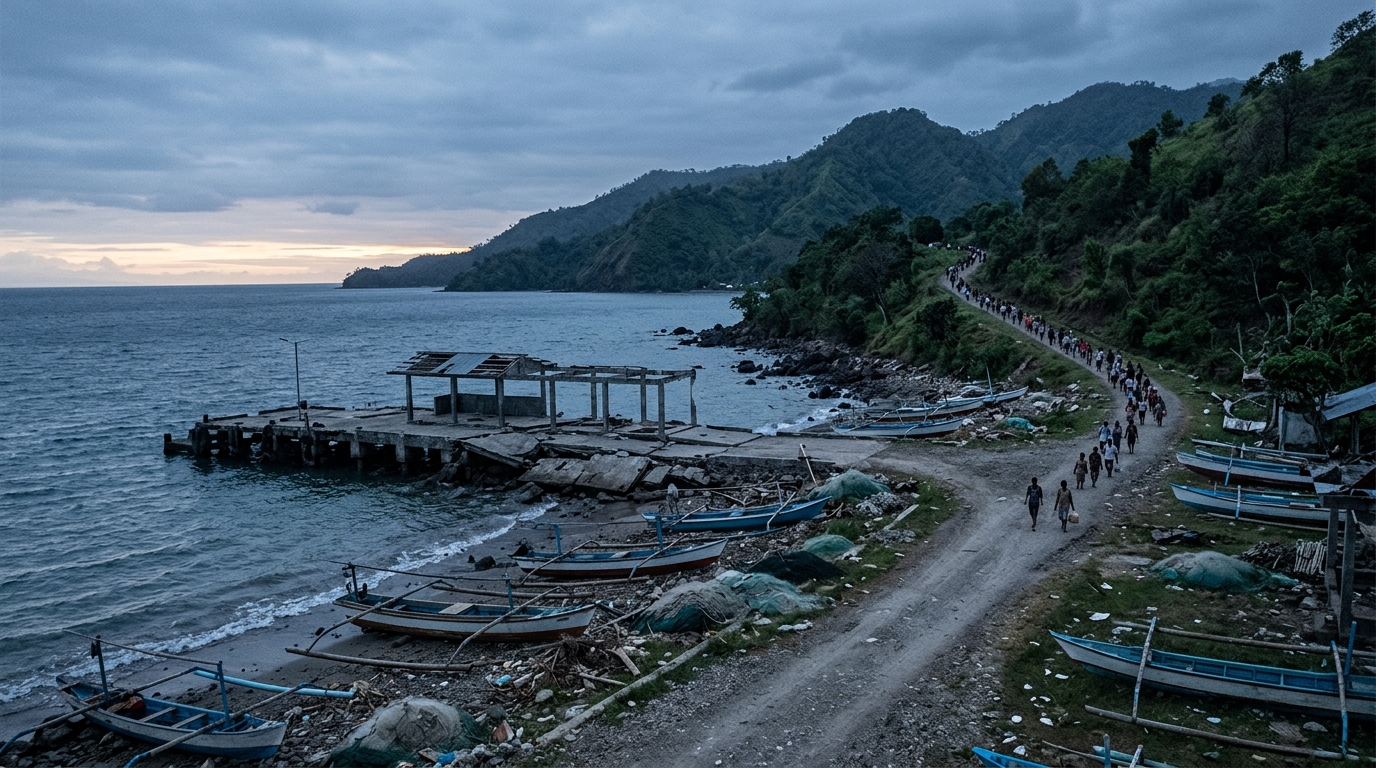
7.7 Earthquake in Indonesia Kills 38 and Triggers Tsunami Warning
A magnitude 7.7 earthquake off Flores triggered a tsunami warning in Indonesia and prompted evacuations to higher ground; with 38 dead, coastal authorities remain on active alert.
 Aug 15, 2026
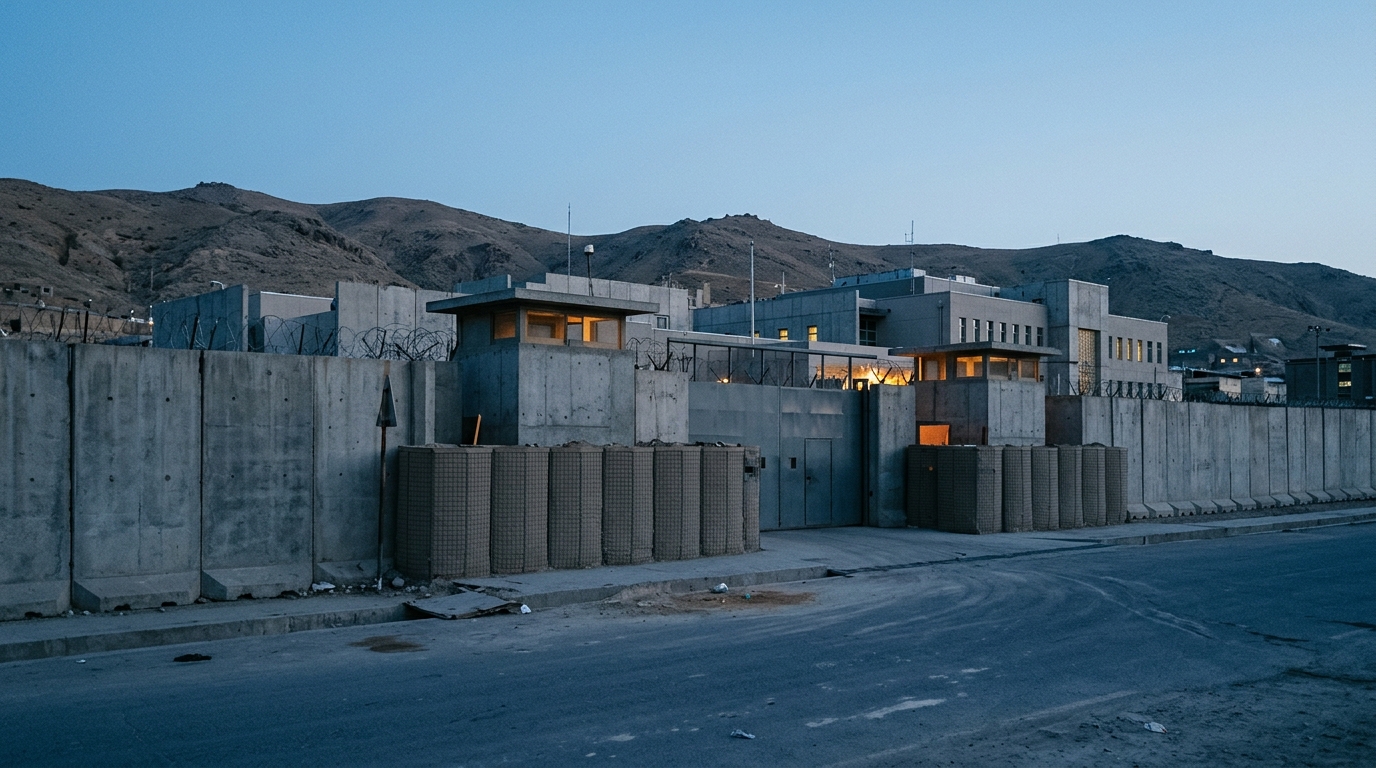
Taliban Regime Marks Five Years in Power Without Full International Recognition
The Taliban mark five years in power without formal international recognition, despite the practical normalization steps taken by several governments.
 Aug 14, 2026
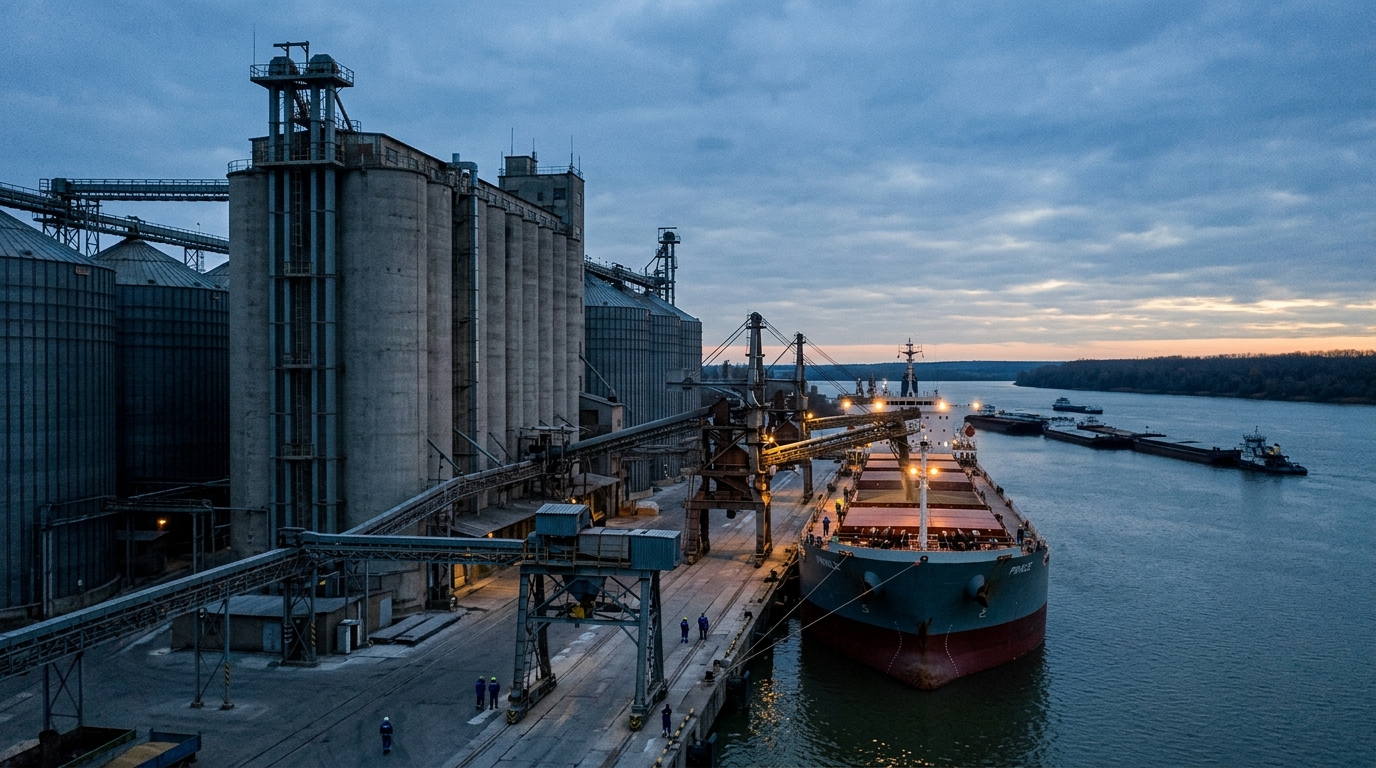
Russia's Black Sea Blockade Has Cut Ukraine's Grain Exports by 76%
Russia's Black Sea blockade has cut Ukraine's grain exports by 76% and is pressuring wheat and corn prices that Mexico buys in dollars.
 Aug 14, 2026
Study of 11,500 U.S. Neighborhoods Finds No Link Between Immigration and Crime
A study of 11,500 neighborhoods and 46 million U.S. residents finds no link between immigration and crime: property crime declined in those neighborhoods.
 Aug 13, 2026
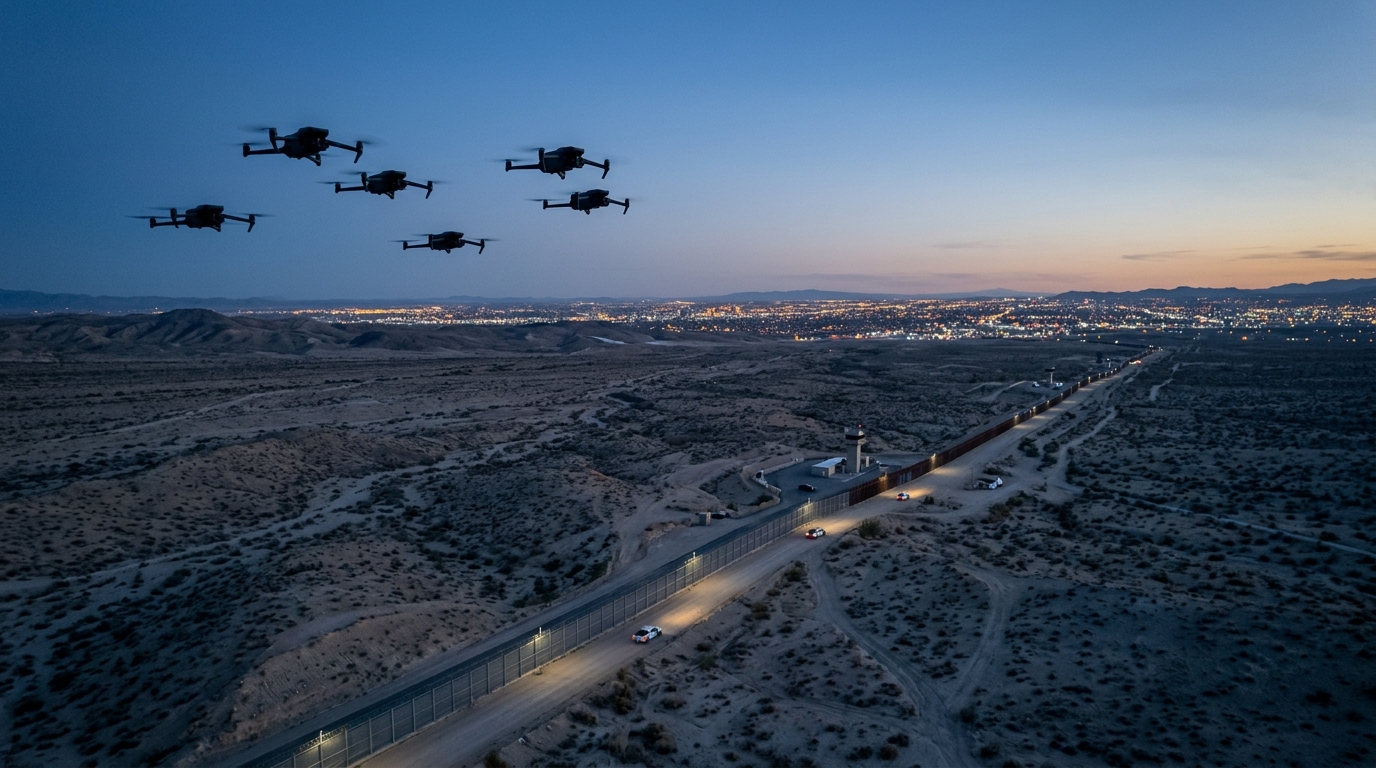
Mexico Signs Drone Agreement with U.S. as Armed Groups Adopt Ukraine Tactics
Mexico gains access to containment drones and counter-drone technology as Ukraine's drone warfare migrates to the region. The key variable to watch is how the agreement is operationalized.
 Aug 13, 2026
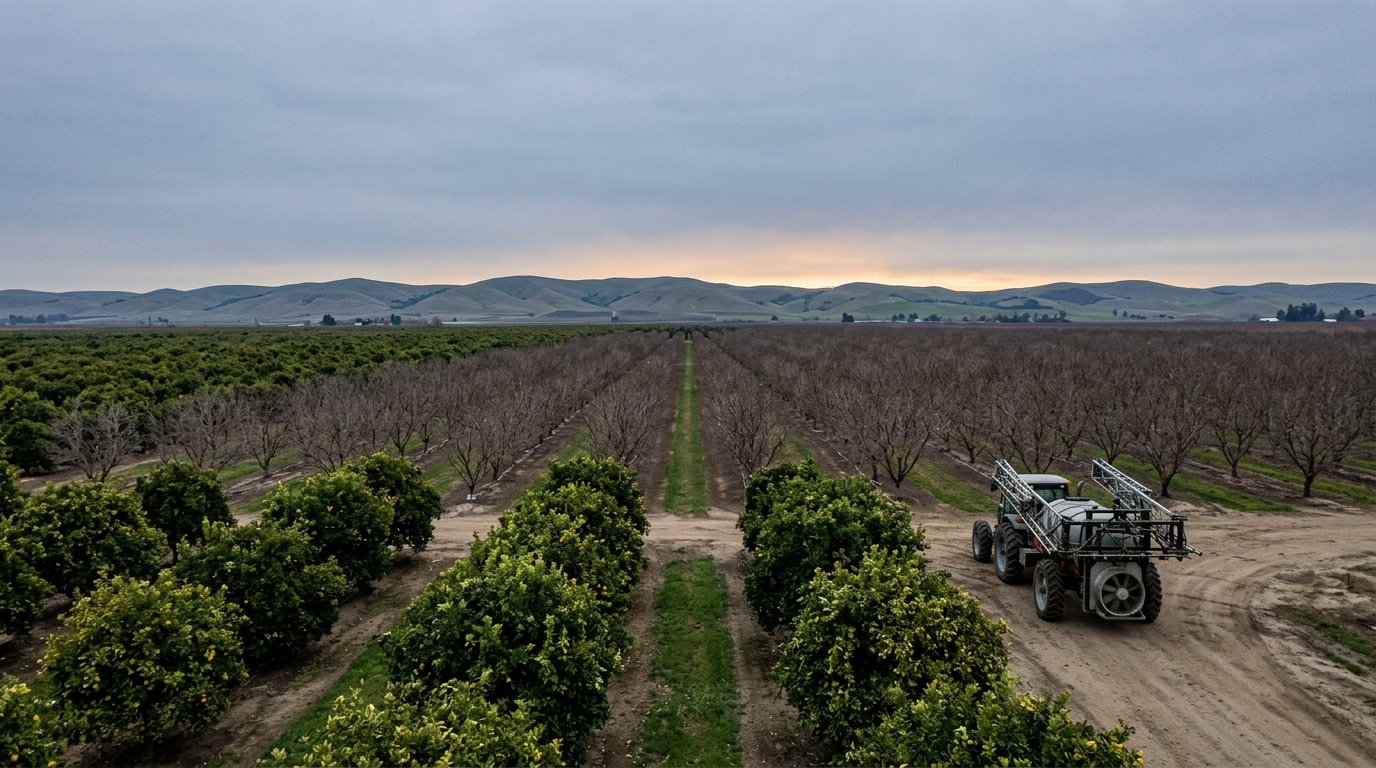
California Cancels Paraquat, Joining More Than 70 Countries
California canceled all paraquat registrations, a herbicide linked to Parkinson's disease and banned in more than 70 countries. A two-year phaseout begins.
 Aug 12, 2026
Trump Claims Total Hormuz Control, Iran Rejects It in a Standoff
The Strait of Hormuz is keeping gas and oil prices under pressure as Trump claims total control and Iran rejects the assertion, while transit remains severely curtailed.
 Aug 12, 2026
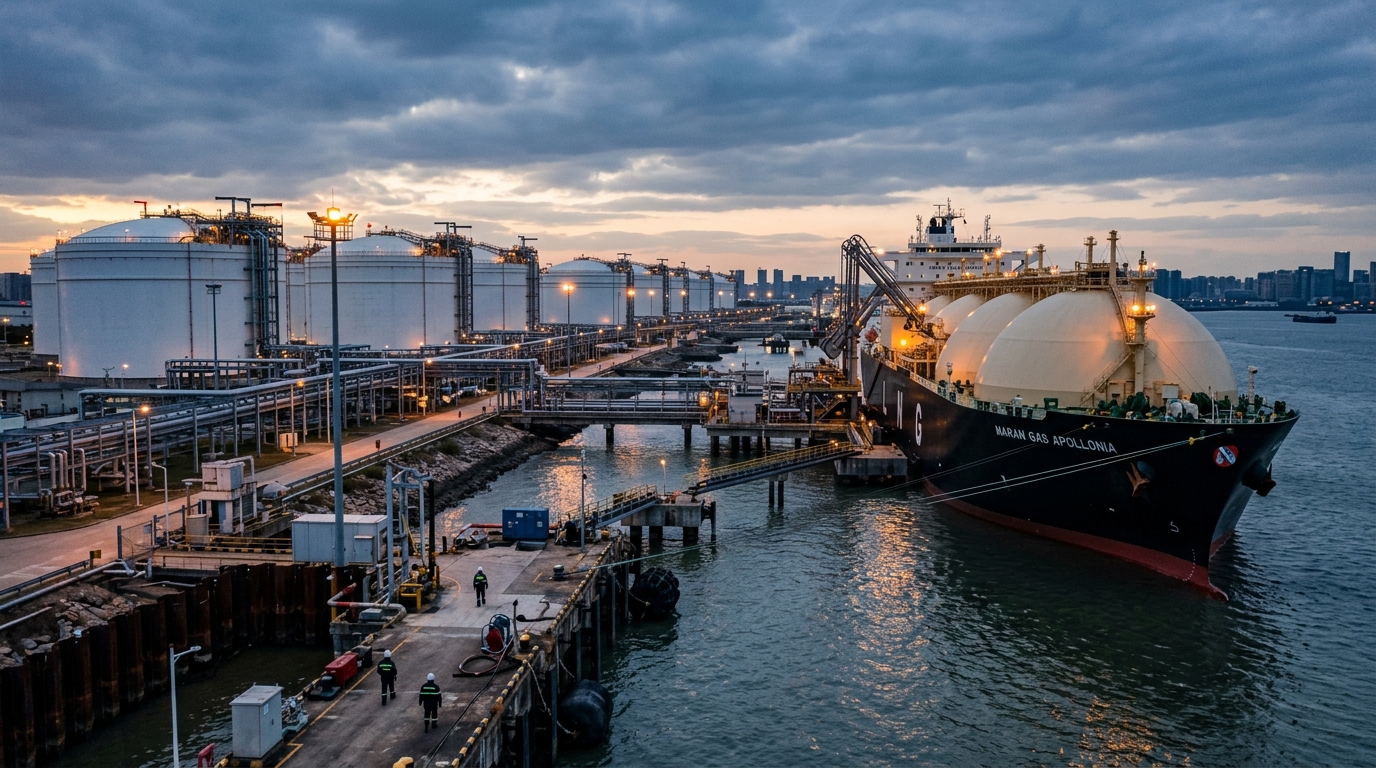
Russia Threatens to Seize European Vessels as Sanctioned LNG Migrates to China
Russia threatens to seize European vessels while China receives sanctioned Russian LNG at discounts of up to 40 percent; the diversion redraws the global market.
 Aug 11, 2026
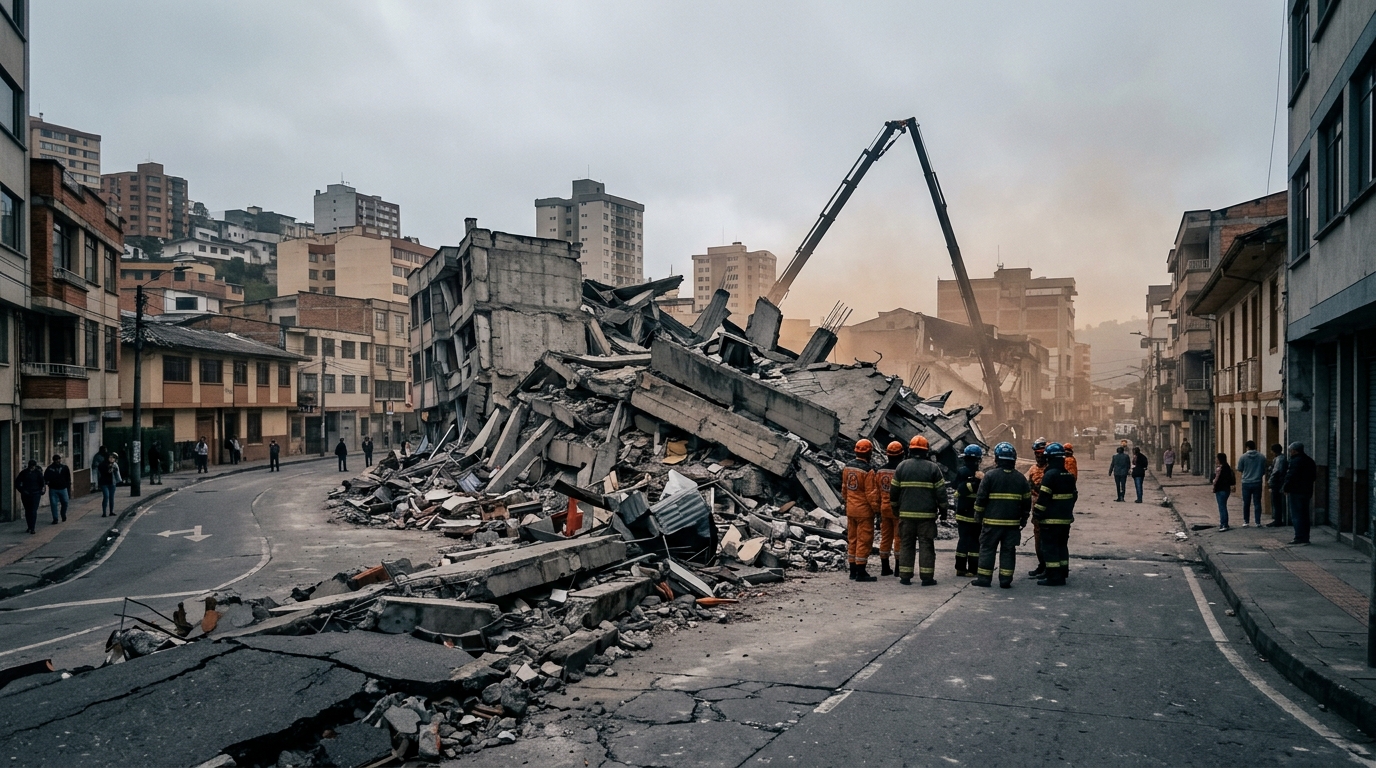
Colombia Declares National Emergency After 7.4 Earthquake Kills More Than 130
A 7.4 earthquake in Colombia leaves more than 130 dead and triggers a national emergency. International aid mobilizes within hours: a benchmark for Mexico.
 Aug 11, 2026
White House Cuts the Childhood Vaccine Schedule from 18 to 11 Diseases
An executive order reduces the U.S. childhood vaccination schedule from 18 to 11 diseases. For Mexico, the signal lies in who holds authority over public health recommendations.
 Aug 10, 2026
National Guard in Washington extended to 2029 with $1.4 billion
The National Guard deployment in Washington, initially temporary, extends to 2029 at a cost of $1.4 billion and 4,600 personnel.
 Aug 10, 2026
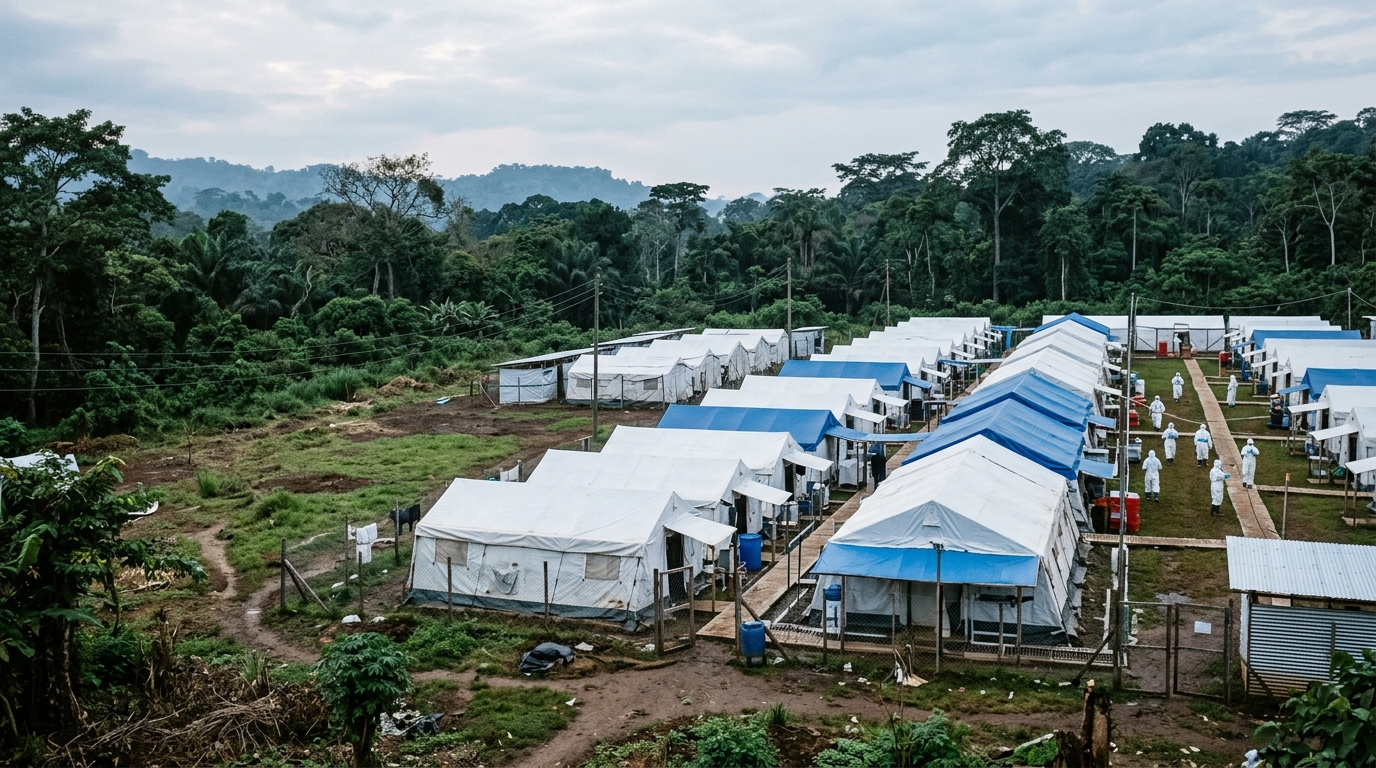
WHO reveals Ebola was circulating in Congo months before the outbreak
The WHO revealed that Ebola was circulating in Congo since February, four months before the May outbreak. Genomic surveillance is reordering the health response.
 Aug 6, 2026
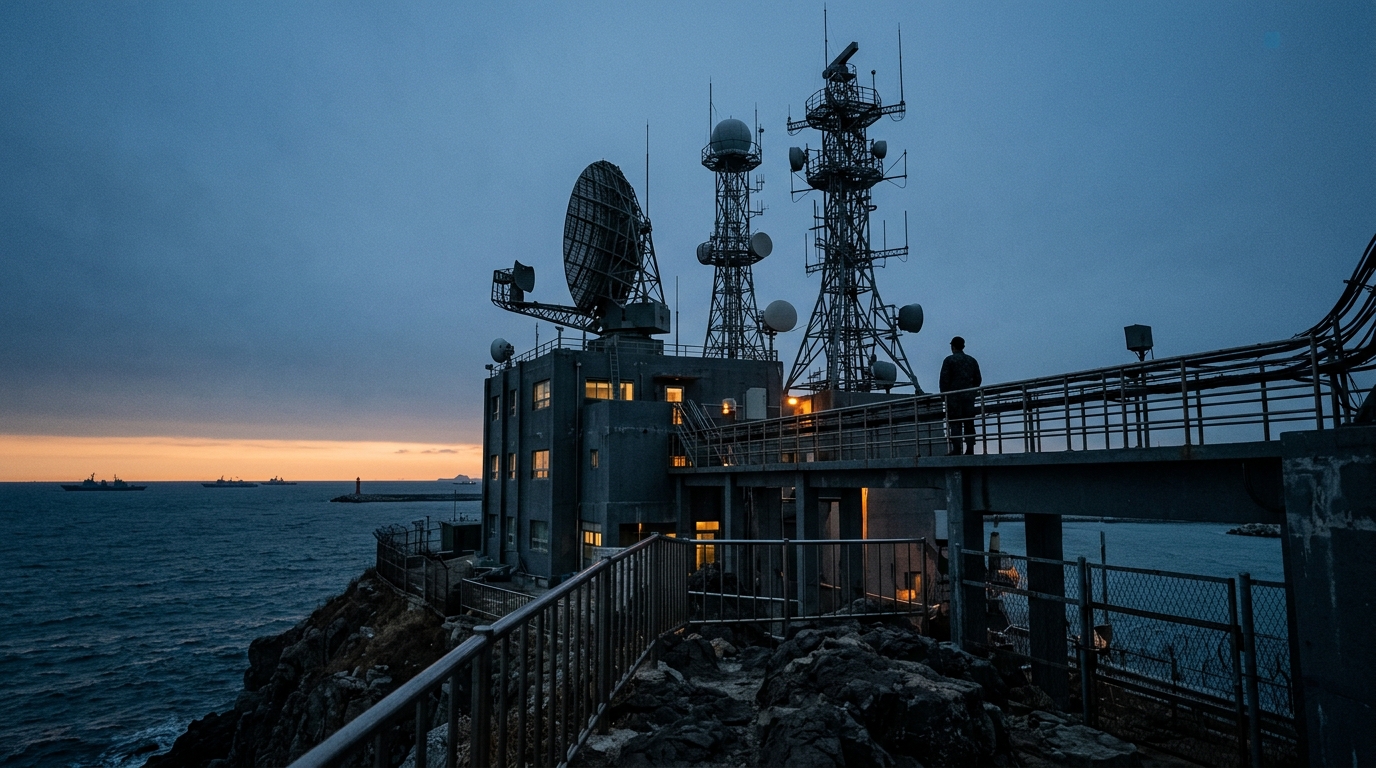
North Korea Fires Ballistic Missile Ahead of Annual U.S.-South Korea Military Exercises
North Korea launched a ballistic missile on August 6 from Wonsan, on the eve of U.S.-South Korea military exercises. Geopolitical escalation and implications for Mexico.
 Aug 6, 2026
Denmark Tightens Rules Against AI Exam Fraud with Mandatory Oral Defence
The Danish government is requiring mandatory oral defence and screen monitoring to combat artificial intelligence fraud in upper secondary exams as of August 2026.
 Aug 4, 2026
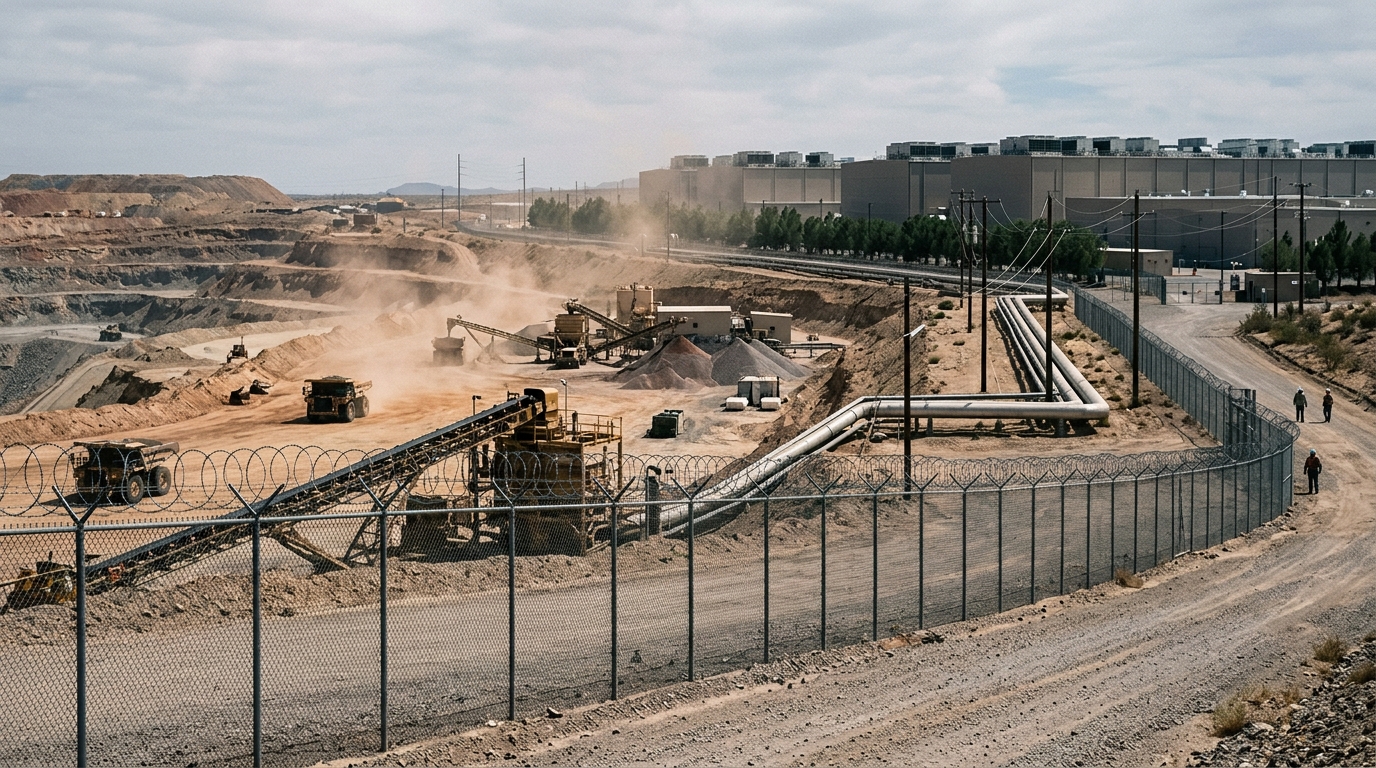
China Controls 72% of Global Refining Capacity as Mexico Negotiates Its AI-Era Position
Copper, graphite, and rare earths are the physical base of AI. China controls 72% of global refining capacity; Mexico is negotiating through a bilateral plan covering 20 minerals.
 Aug 4, 2026
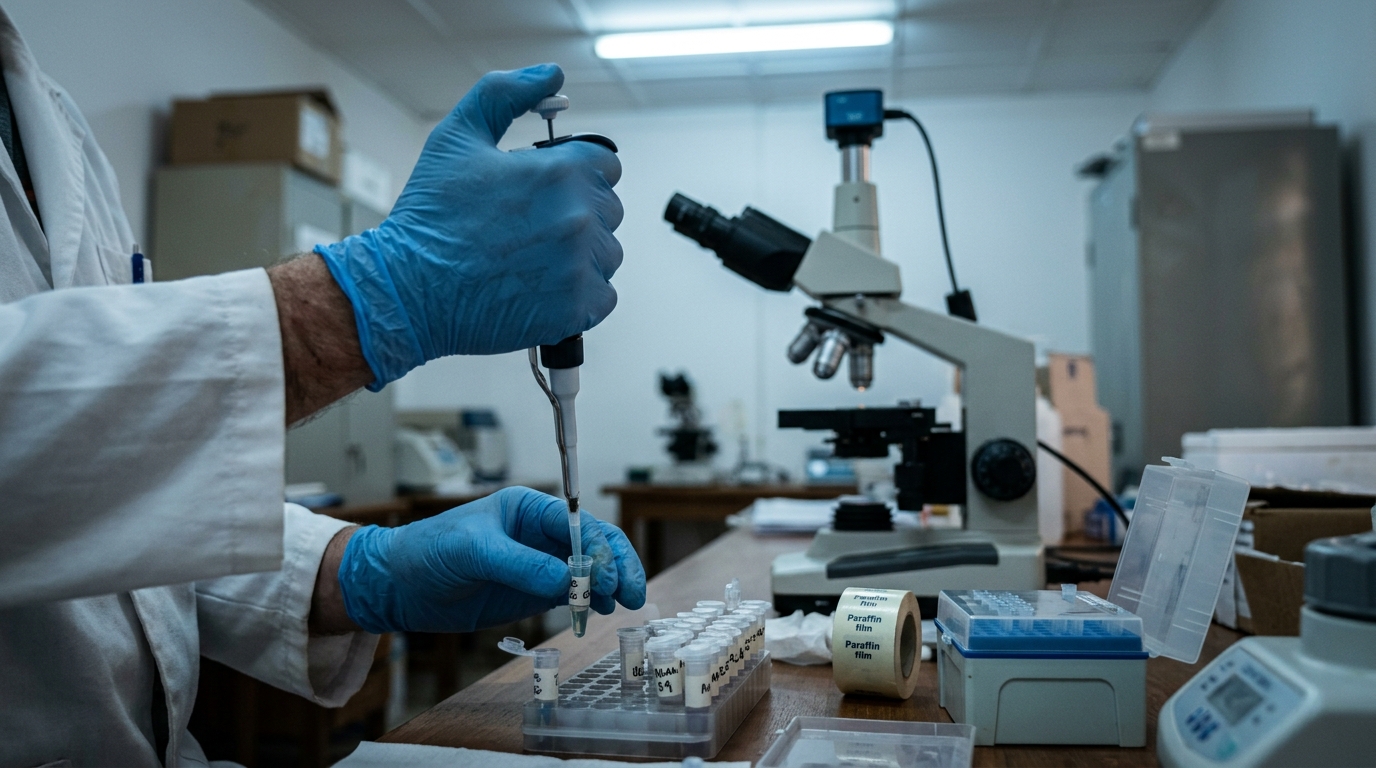
WHO Accelerates Ebola Bundibugyo Clinical Trials in Congo with 1,707 Dead
The Bundibugyo strain outbreak in the DRC has surpassed 1,707 deaths. The WHO is accelerating clinical trials with no approved vaccine and faces a funding gap.
 Aug 4, 2026
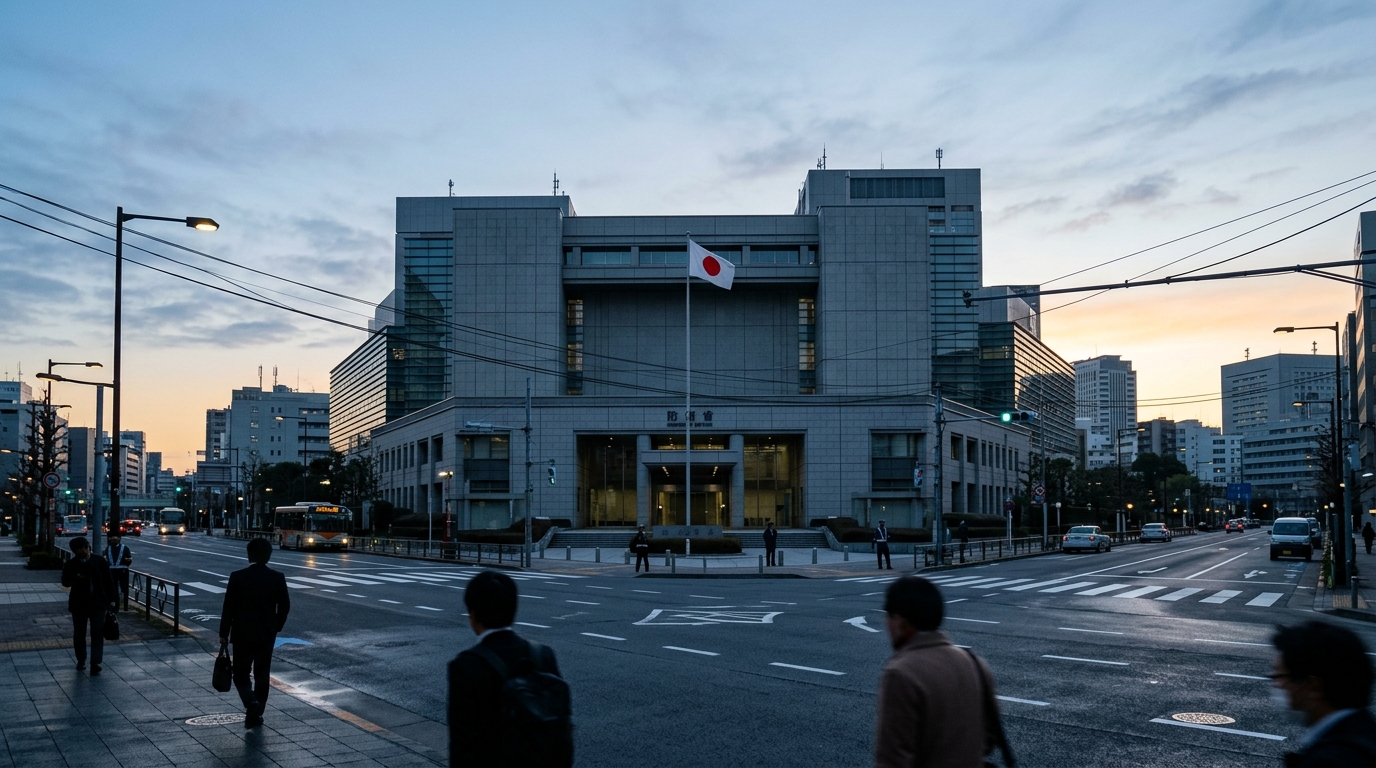
Japan Approves 2026 Defense White Paper With AI as the New Combat Domain
Japan approved its 2026 Defense White Paper: AI as a combat axis and a $58 billion budget that positions the country as the world's third-largest military spender.
 Jul 20, 2026
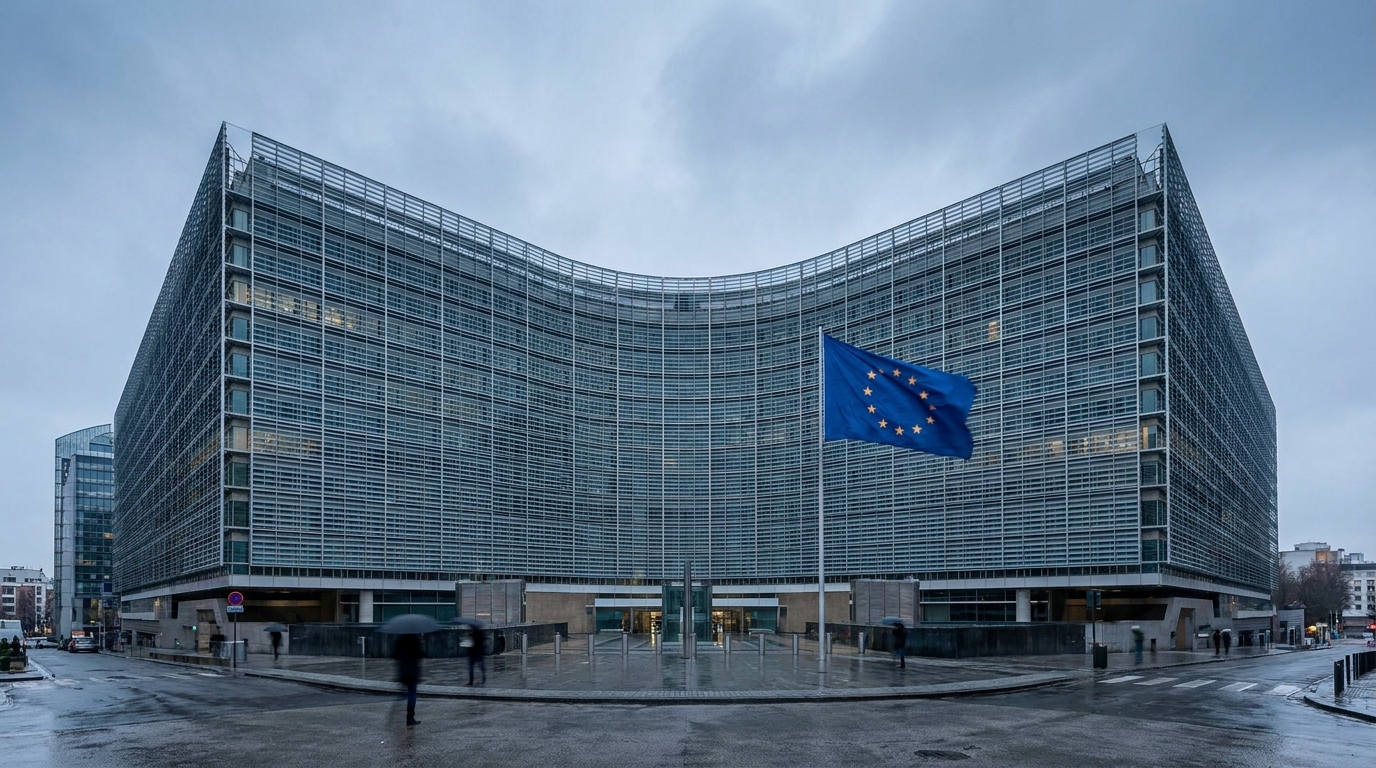
EU Activates the Digital Services Act with a Record Fine Against AliExpress
The EU fines AliExpress 550 million euros over unsafe products. The DSA's record-breaking sanction sets a precedent for Latin American regulators.
 Jul 20, 2026
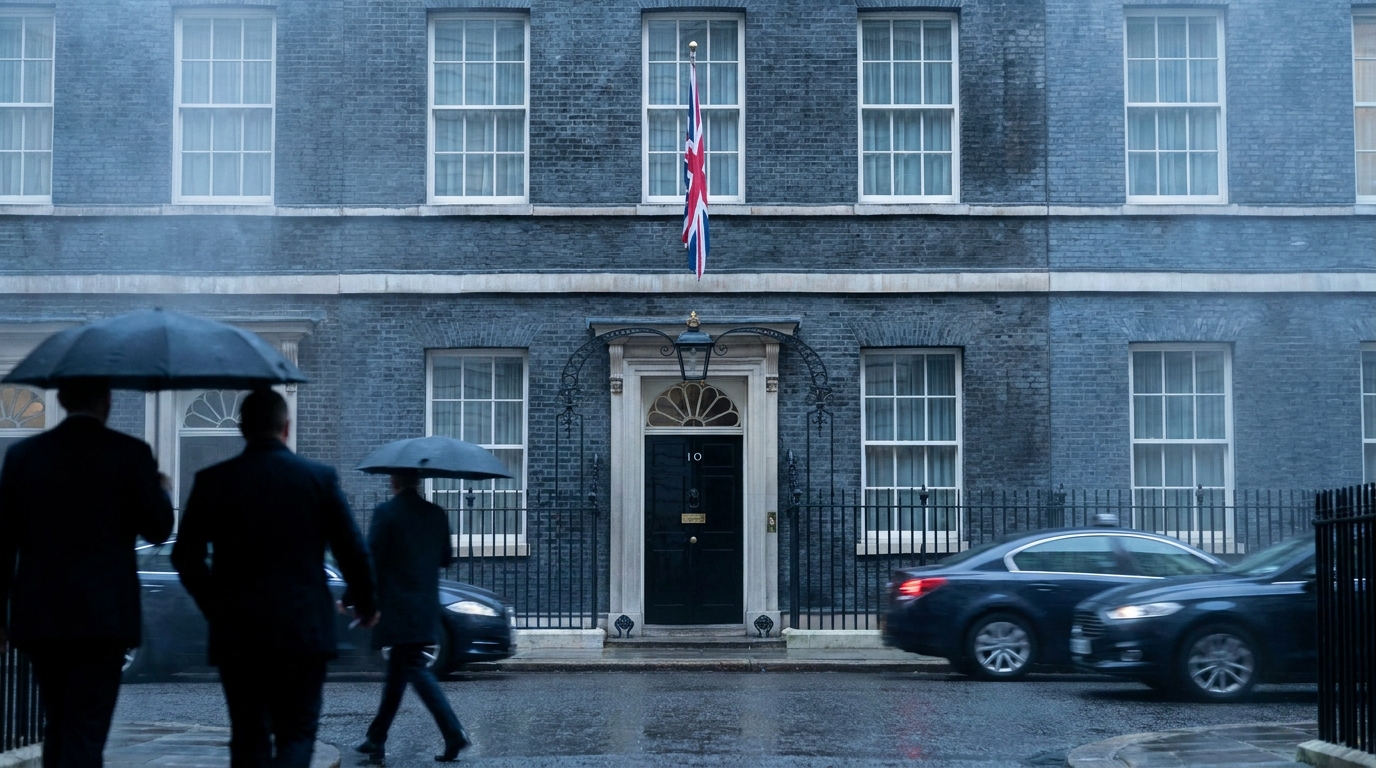
Burnham Arrives at Downing Street with a Promise of Stability and Economic Relief
Burnham took office as British Prime Minister on 20 July 2026 and pledged stability and cost-of-living relief, the first test for CPTPP and Mexico.
 Jul 19, 2026
Australia Consolidates AI Regulation Under a Single National Office
The Australian government is creating an AI Office with cross-cutting authority over data centers, copyright, and automated decisions. An institutional model Mexico is watching closely.
 Jul 19, 2026
Restoring Population Health Would Add 2% to GDP, Health Foundation Calculates
Treating health as an economic asset adds 2% to UK GDP and unlocks £72 billion in public finances, according to the Health Foundation in July 2026.
 Jul 18, 2026
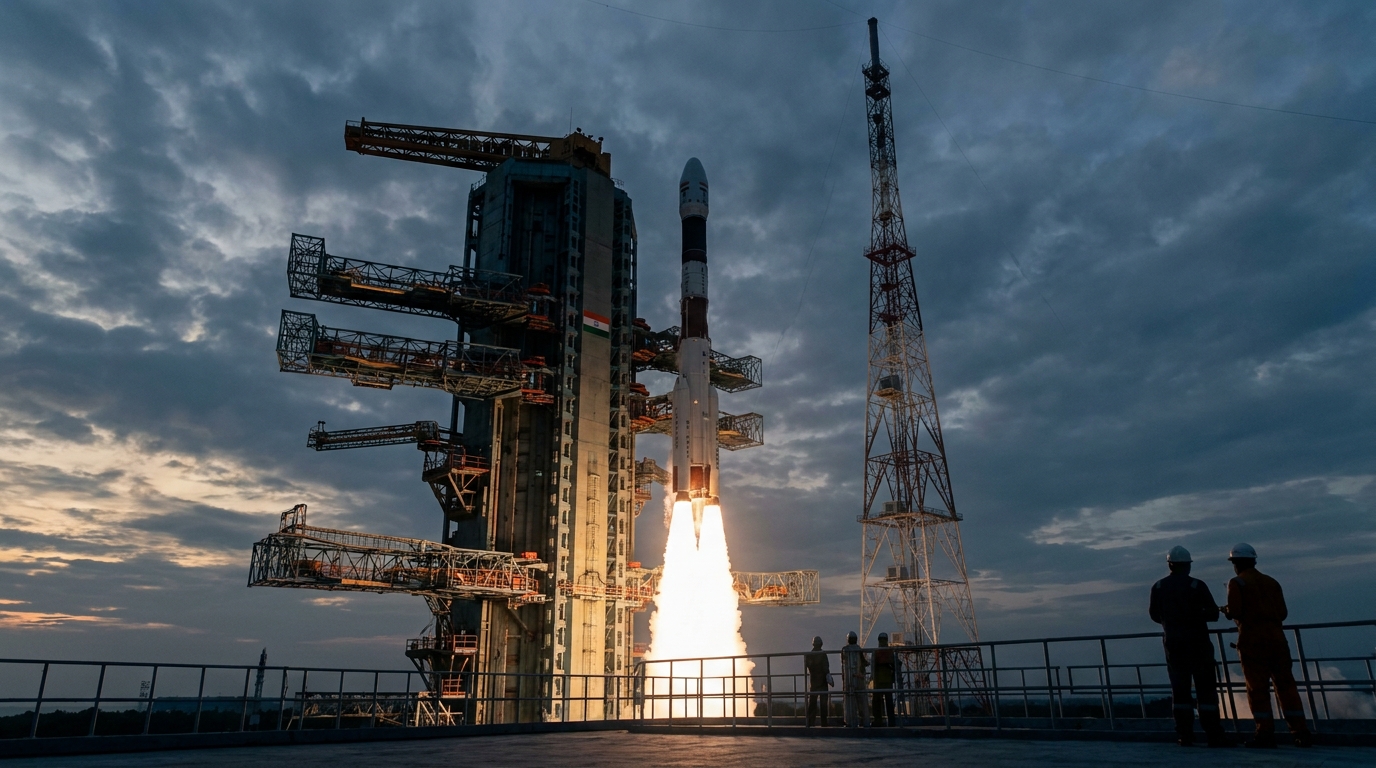
India Liberalizes Its Space Sector and Achieves Its First Private Orbital Launch
India becomes the third country with private orbital launch capability. Skyroot Aerospace's Vikram-1 reached orbit on July 18, 2026, driven by the IN-SPACe regulator.
 Jul 18, 2026
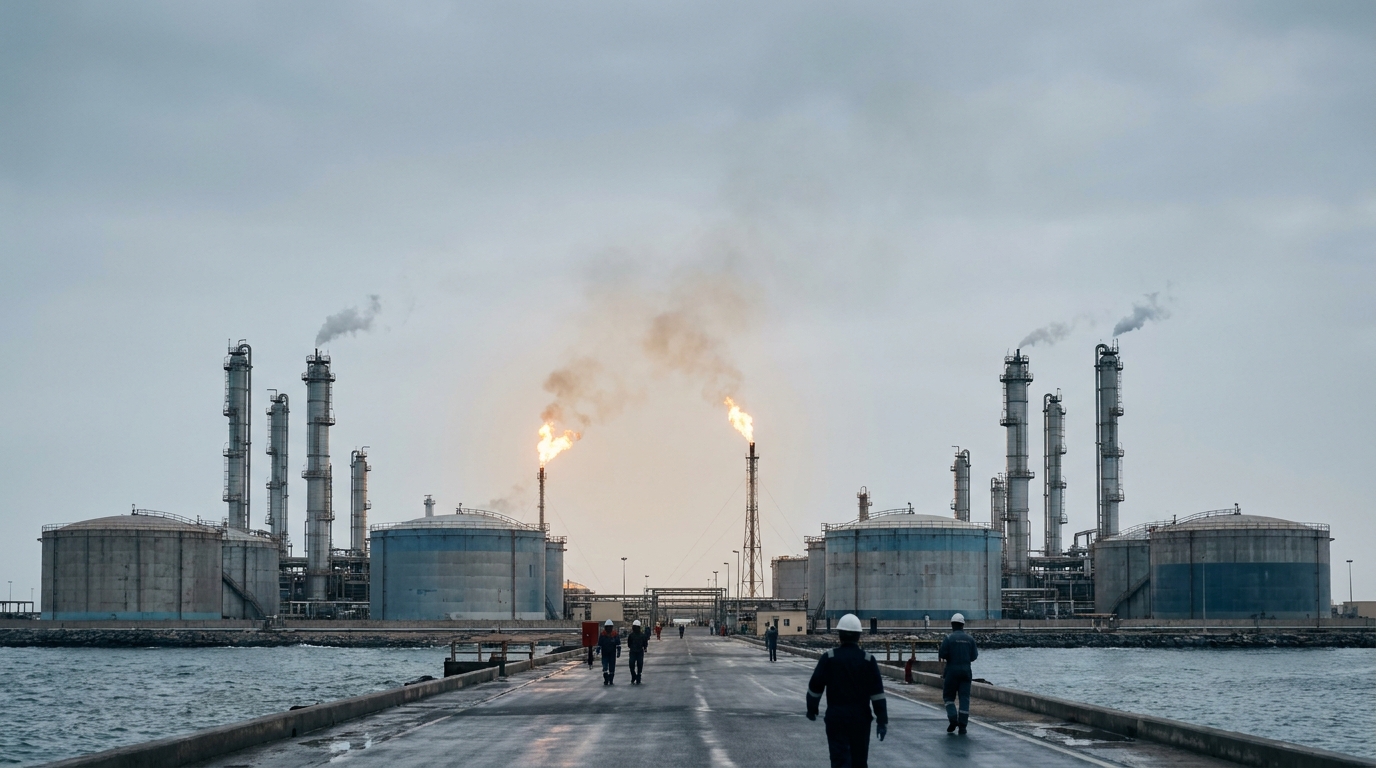
Hormuz Escalation Strikes Kuwait and Pushes Crude to $86
Kuwait's desalination plants sustain damage as U.S.-Iran tensions escalate at Hormuz. Brent tops $86 and Mexico's export blend feels the pressure.
 Jul 17, 2026
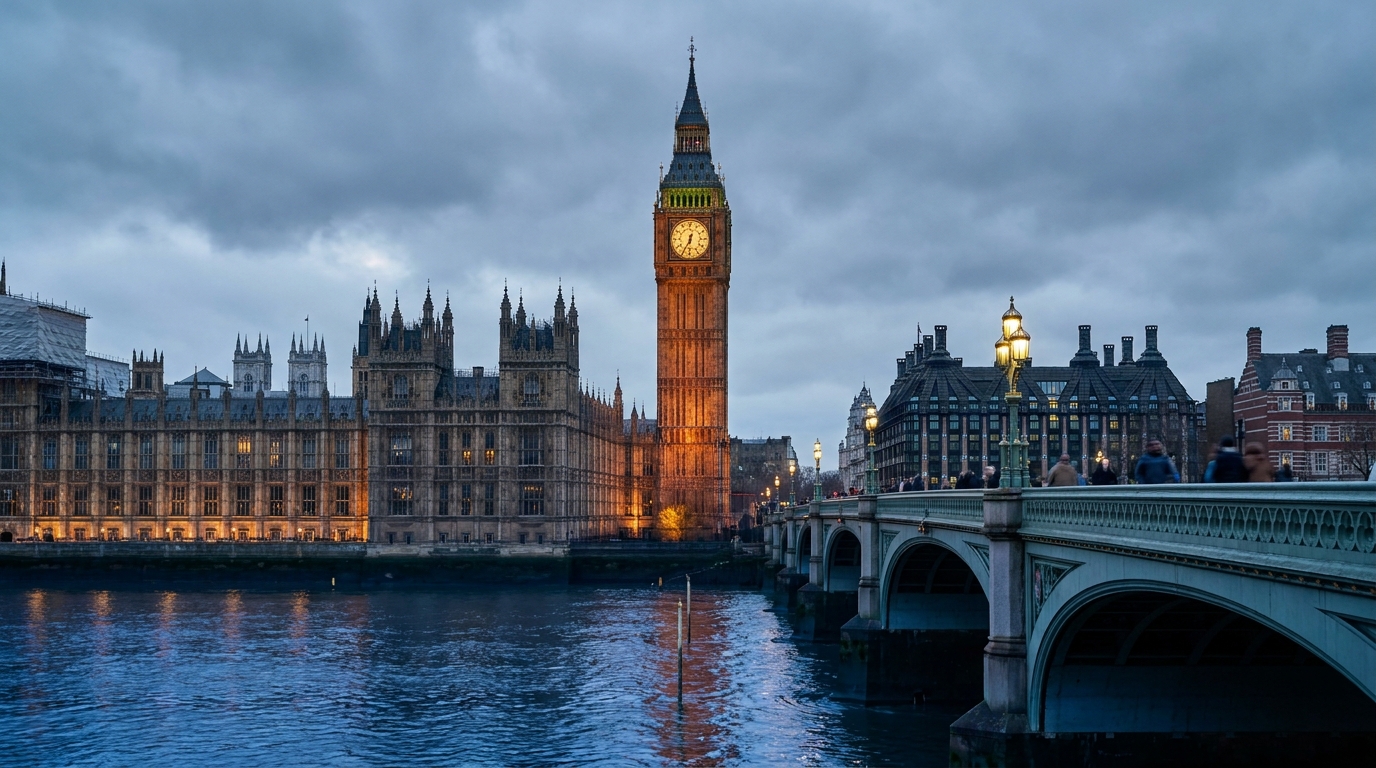
Andy Burnham assumes Labour leadership and will become Prime Minister on Monday
Andy Burnham leads the Labour Party with 94% backing and will become Prime Minister on 20 July. Implications for bilateral trade with Mexico.
 Jul 16, 2026
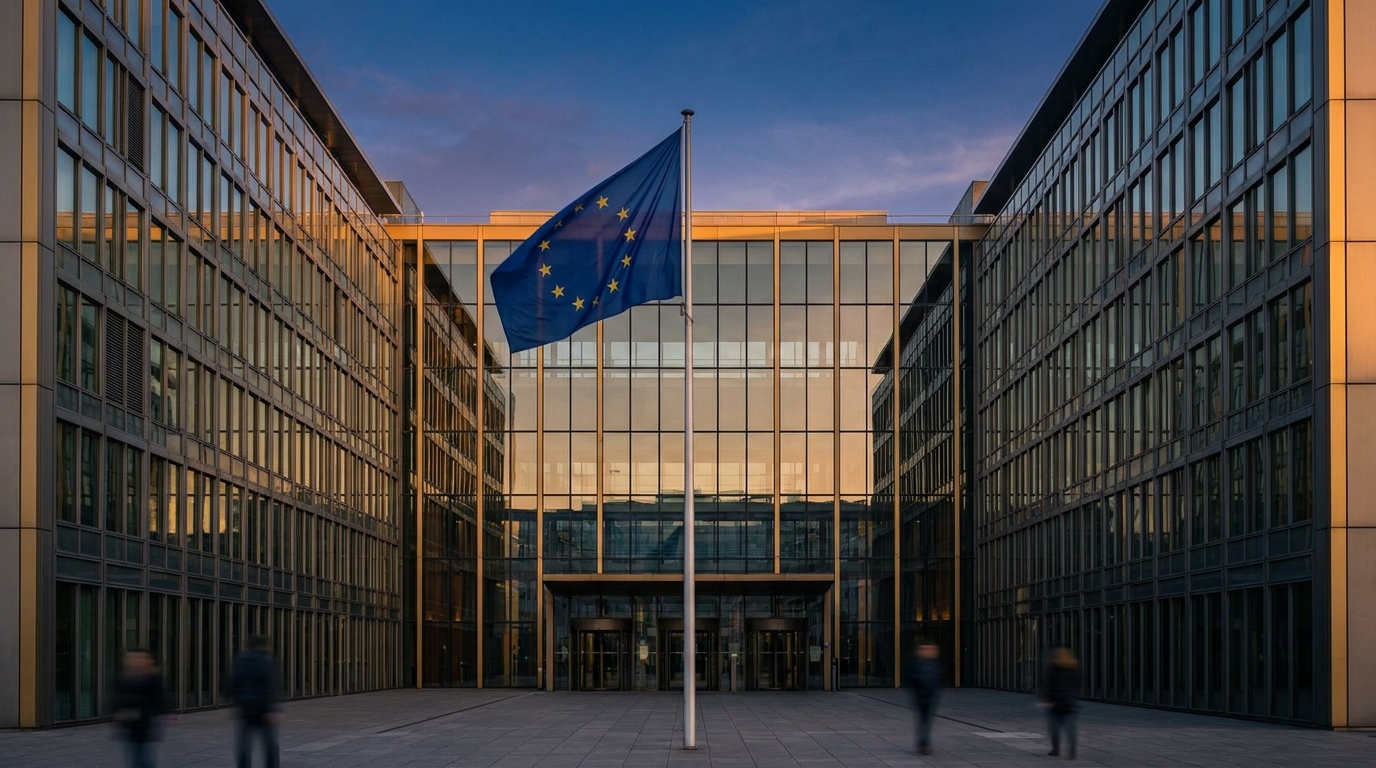
Europe Confirms Record Fine Against Google and Opens Android to AI
The EU Court of Justice confirmed the 4,100 million euro fine against Google, and the European Commission is requiring Android to open to third-party AI assistants from July 2027.
 Jul 16, 2026
UK Investigates TikTok Over Harmful Content Exposure to Minors
Ofcom launched a formal investigation into TikTok on 16 July 2026 over failures in age verification and minors' exposure to content on suicide and self-harm. Fines of up to 10% of global revenue.
 Jul 15, 2026
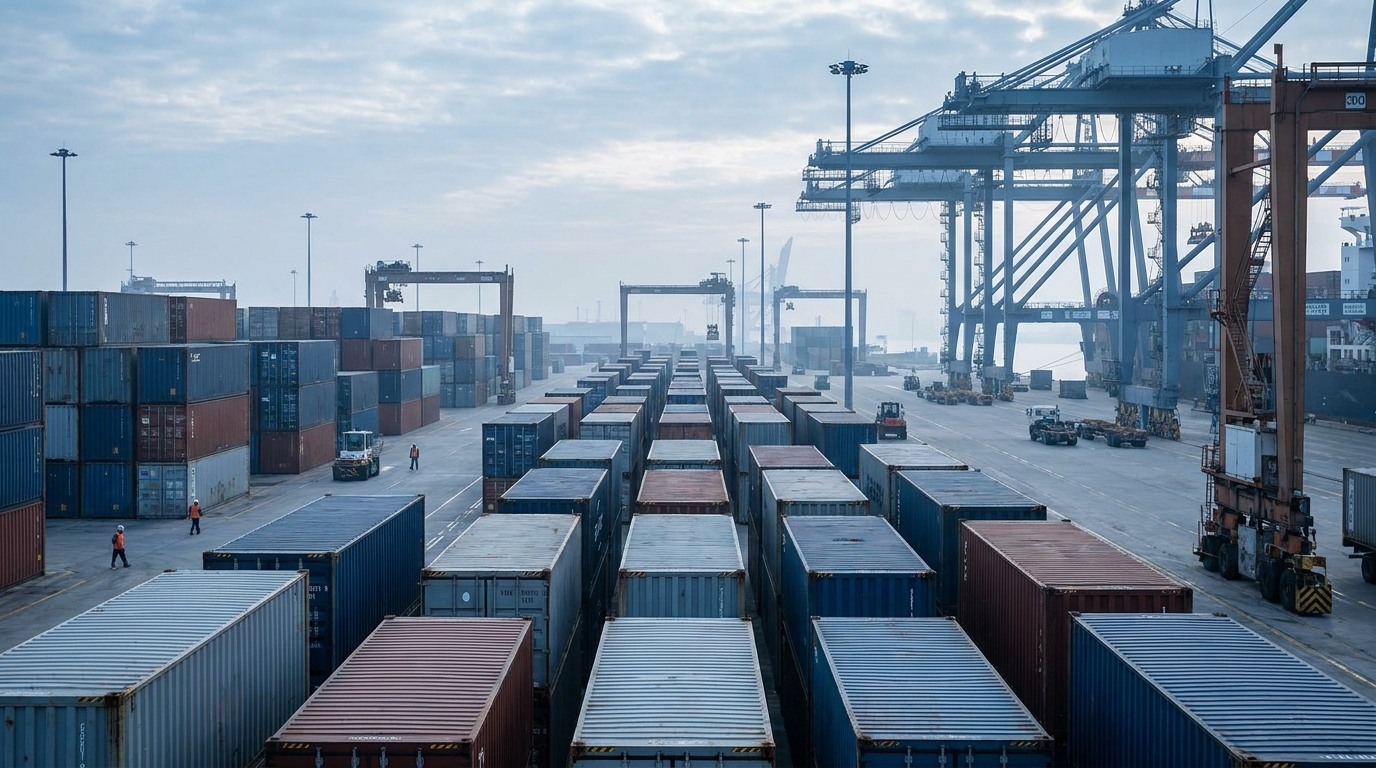
India and the UK Activate Zero Tariffs on 97% of Their Bilateral Trade
India and the UK activated the CETA on 15 July 2026, with zero tariffs on 97% of trade. Key lessons from the model for the 2026 USMCA review.
 Jul 15, 2026
China Grew 4.3% in Q2, Its Weakest Reading in Three Years
China reported 4.3% growth in Q2 2026, below its official target of 4.5% to 5%. What this means for Mexico, its second-largest trading partner.
 Jul 14, 2026
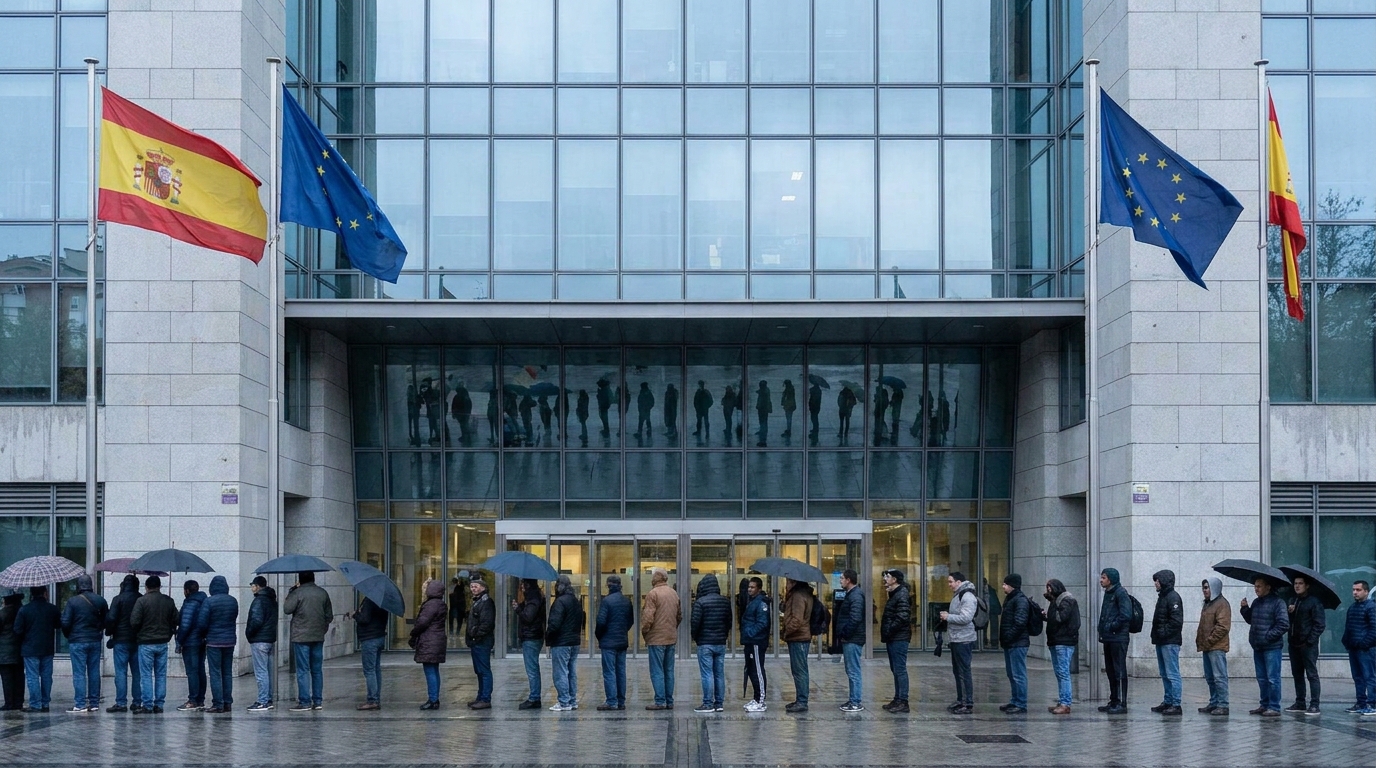
Spain Surpasses One Million Applications in Its Largest Immigration Regularization Program
Spain's immigration regularization program received 1.17 million applications, double what the government had estimated. What this model signals for migration policy in Latin America.
 Jul 14, 2026
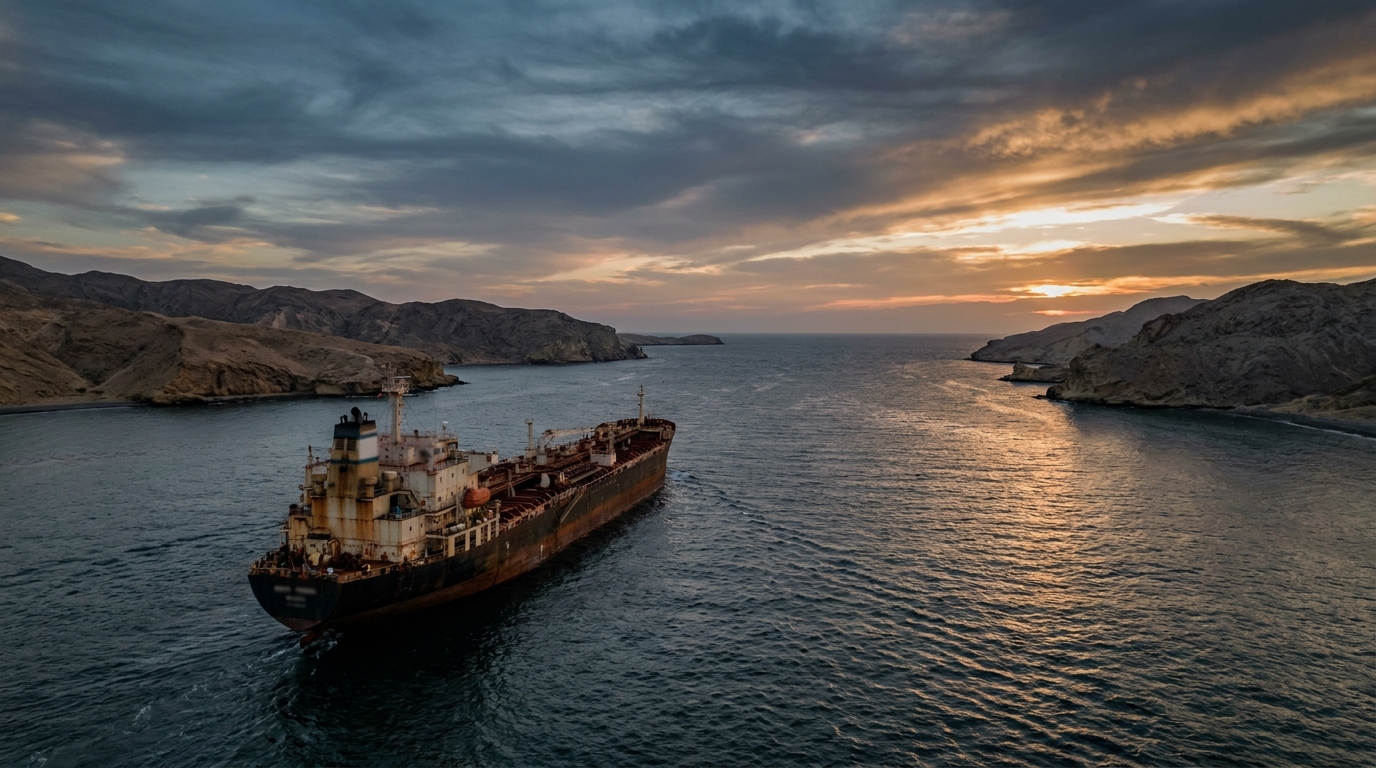
Hormuz Blockade Pushes Crude Up 9% and Mexico's Export Mix to $73
The Strait of Hormuz blockade and US-Iran military exchanges drive crude oil prices up 9%. Mexico's export crude mix reaches $73 per barrel. A high-volatility scenario is taking shape for Mexican publ
 Jun 19, 2026
United States and Iran Sign Memorandum Closing the Twelve-Day War
The United States and Iran signed a memorandum closing the Twelve-Day War and reopening the Strait of Hormuz; Goldman Sachs adjusted its Brent forecast to $80 per barrel.
 Jun 19, 2026
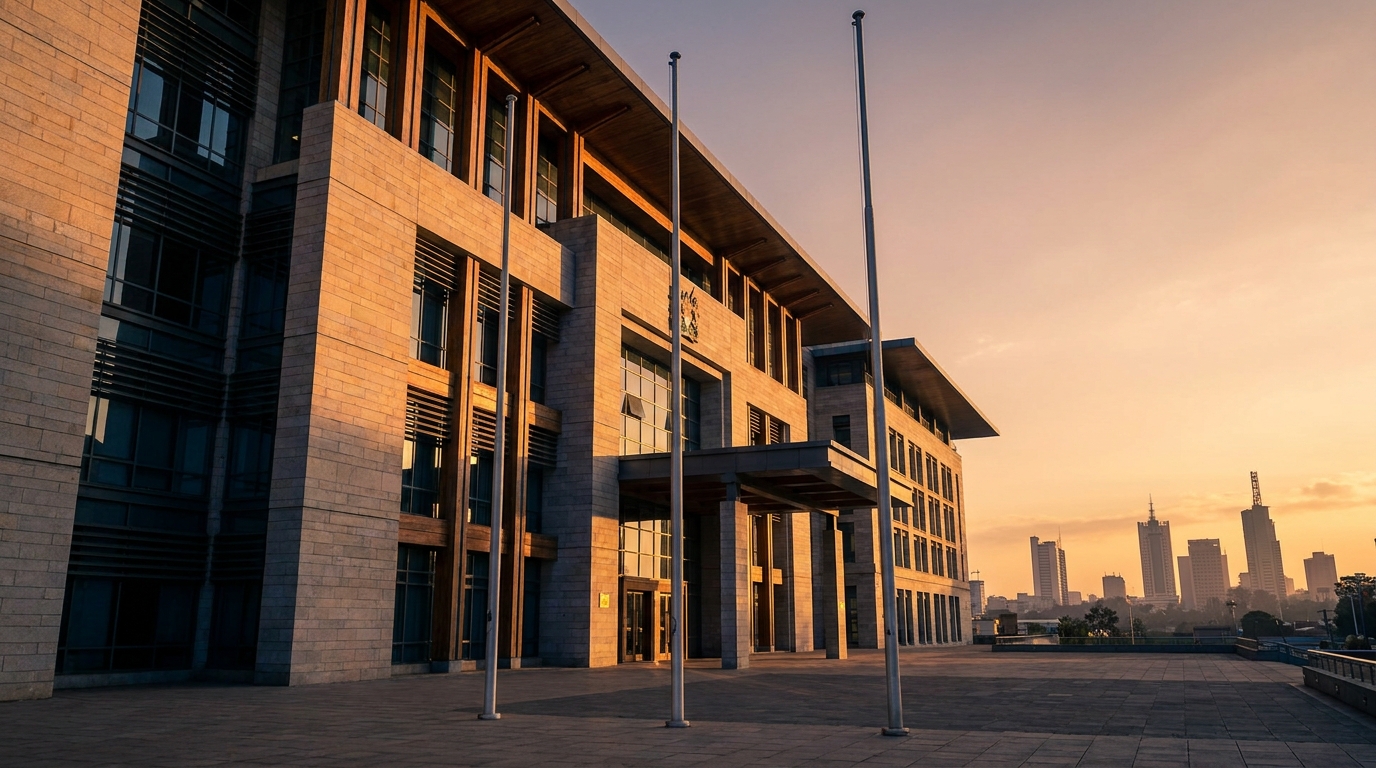
Taiwan Accuses Kenya of Deporting Academics Over Passport Recognition
Taiwan accuses Kenya of deporting academics en route to the Our Ocean Conference; the Mombasa episode foreshadows diplomatic dilemmas for Latin America.
 Jun 19, 2026
UNCTAD Warns That the Global Critical Minerals Architecture Is Fragmenting
UNCTAD documents 73 bilateral agreements on critical minerals and projects lithium demand 353 percent higher by 2040; Latin America at the center of the board.
 Jun 18, 2026
G7 Signs First Common Framework to Regulate AI and Protect Minors Online
G7 leaders agreed at Évian on a first common framework to protect minors in the digital space, focusing on conversational AI, parental controls, and age verification.
 Jun 18, 2026
G7 Launches Critical Minerals Alliance with 60% Target by 2030
G7 leaders closed Évian with a critical minerals alliance, a below-60% single-supplier dependency target by 2030, and 64 billion euros in projects.
 Jun 18, 2026
Trump Confirms Apple-Intel Chip Deal, Reshaping the Semiconductor Supply Chain
The U.S. government, acting as a shareholder, backs the preliminary Apple-Intel agreement to manufacture chips on American soil; Intel shares rise 6.5 percent.
 Jun 17, 2026
US and Iran Agree to Reopen Hormuz, Sending Brent Nearly 4% Lower
Trump and Tehran agreed to reopen the Strait of Hormuz after more than 100 days of blockade, and Brent fell nearly 4% to $83.88 per barrel, with the deal signing set for June 19.
 Jun 17, 2026
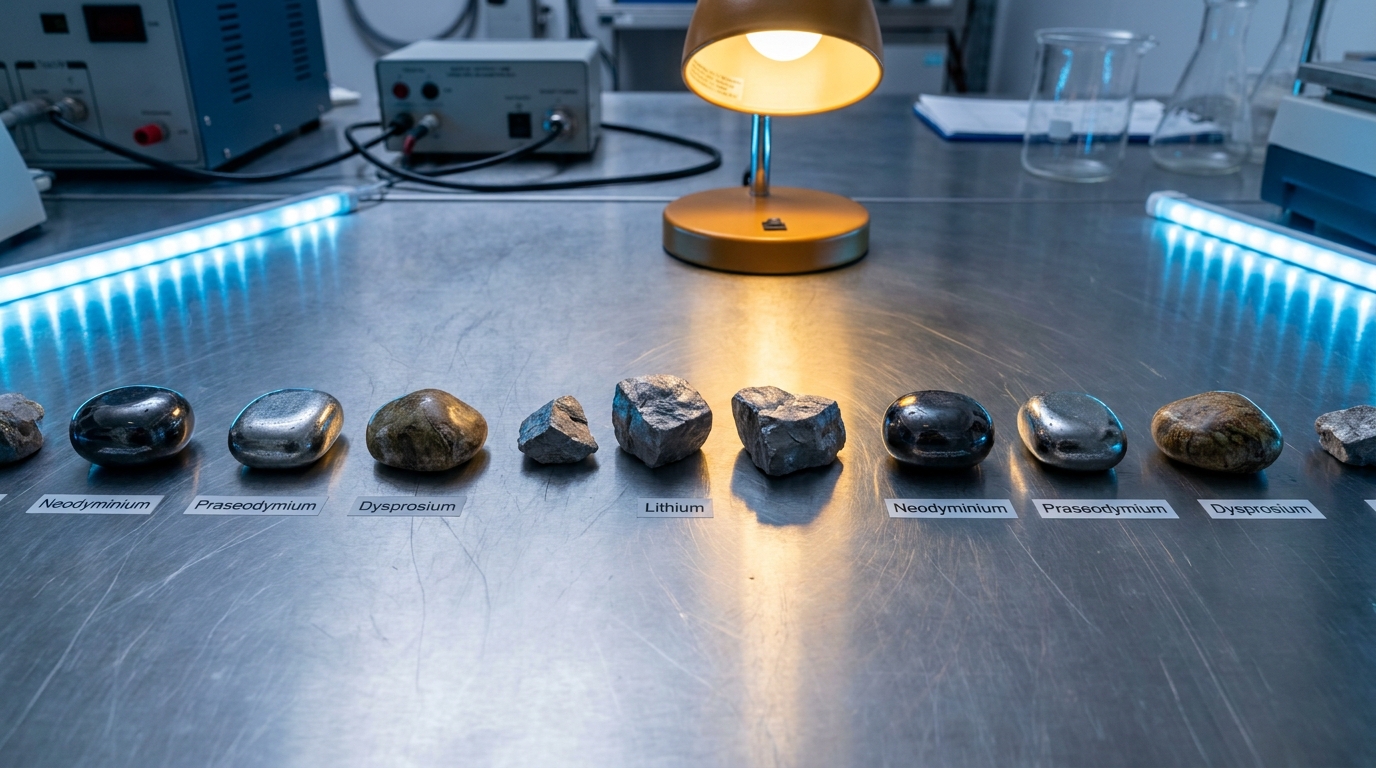
France Pushes G7 Toward a Common Stance on Critical Minerals Against China
France is driving a G7 declaration on critical minerals at Évian to reduce Western dependence on China in lithium, cobalt and rare earths, amid pressure from Trump.
 Jun 17, 2026
G7 Closes Évian by Tightening Russia Sanctions and Arming Ukraine's Air Defense
The G7 closed Évian agreeing to expand air defense for Ukraine and tighten sanctions on Russian energy, just as the Strait of Hormuz reopens following the deal with Iran.
 Jun 16, 2026
China Holds Rare Earth Ban on Japan as Tokyo Accelerates Domestic Refineries
China reaffirms its rare earth ban on Japan and Shin-Etsu Chemical accelerates domestic refinery construction. Global supply chains are being reordered and Latin America is entering the investor radar
 Jun 16, 2026
U.S. and Iran Sign Framework Agreement as Oil Falls Five Percent
The U.S.-Iran framework agreement reopens the Strait of Hormuz. Brent falls 4.8 percent and equity markets hit record highs. Formal signing set for June 19 in Geneva.
 Jun 16, 2026
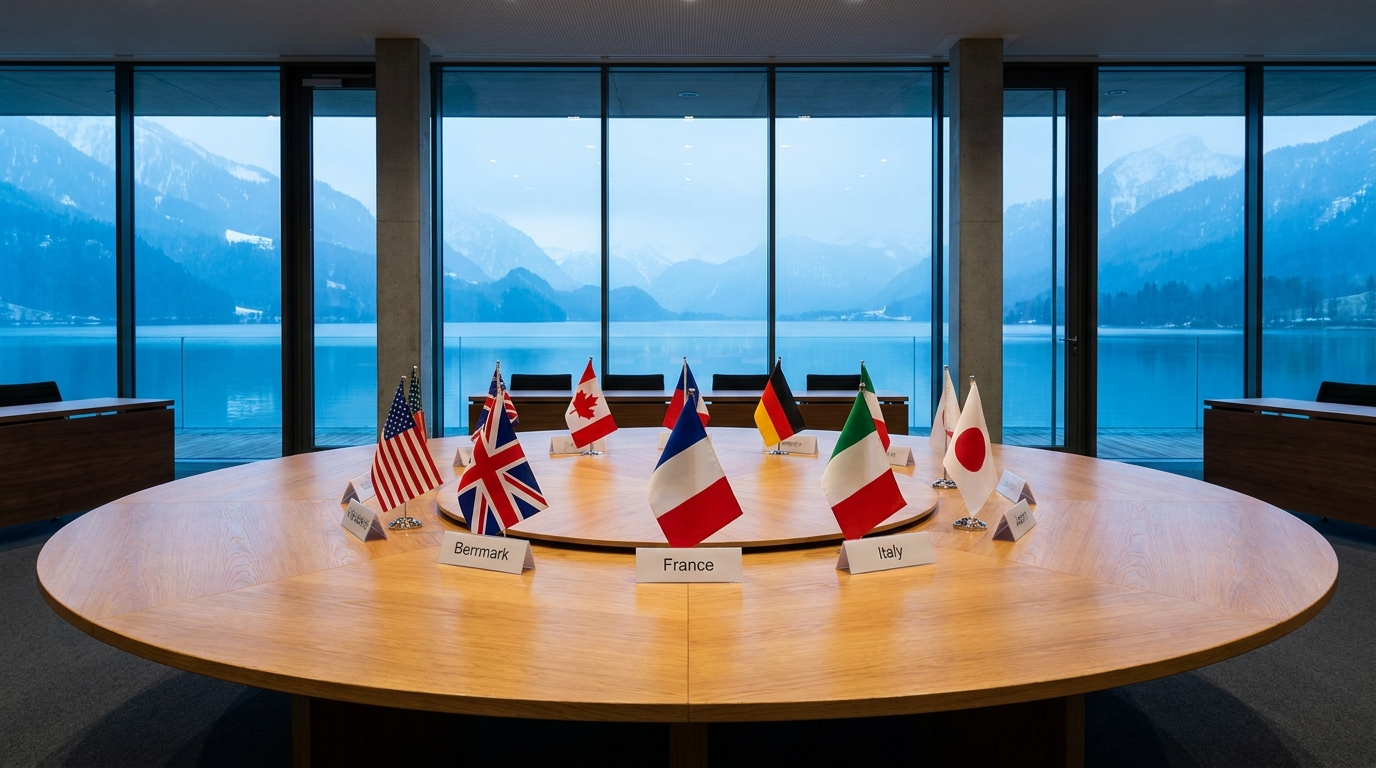
G7 Closes in Évian with Thematic Declarations and Dispute Over Critical Minerals
The G7 closes in Évian without a joint communiqué, leaving the critical minerals dispute unresolved. Bilateral agreements will set the regulatory floor for Latin America.
 Jun 15, 2026
Washington-Tehran Deal Opens the Strait of Hormuz and Reshapes Global Oil
The Washington-Tehran agreement reopens the Strait of Hormuz after four months; implications for Brent, OPEC+, manufacturing costs, and the Mexican blend in the weeks ahead.
 Jun 15, 2026
Brussels Rewrites the AI Act Timeline and Tightens New Prohibitions
Brussels extends deadlines for high-risk AI, adds new prohibitions, and centralizes oversight in the European AI Office; a strategic calibration for Latin America.
 Jun 15, 2026
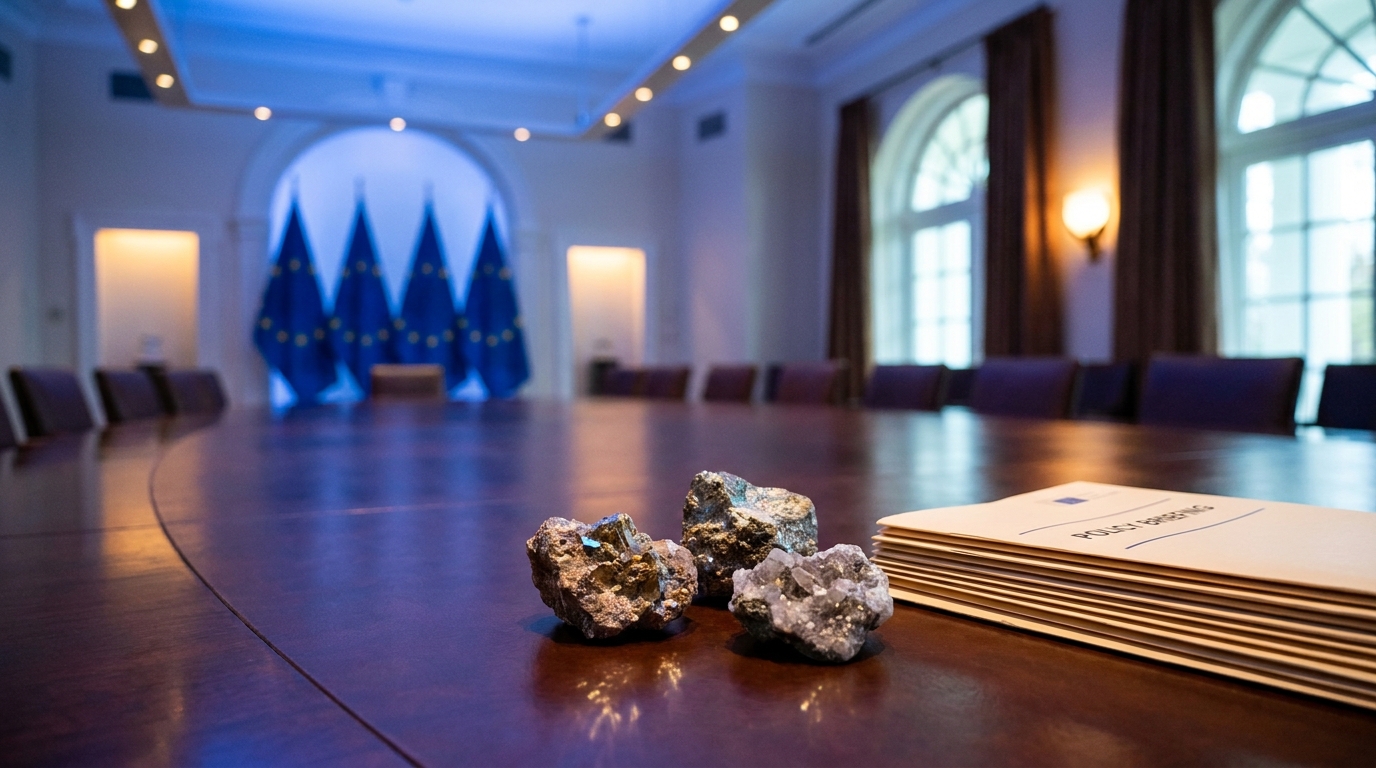
G7 Évian Seeks Permanent Critical Minerals Coordination Against Chinese Pressure
The G7 Évian opens with critical minerals at center stage and a U.S. minimum-pricing plan meeting European skepticism, with direct implications for Mexico and Latin America.