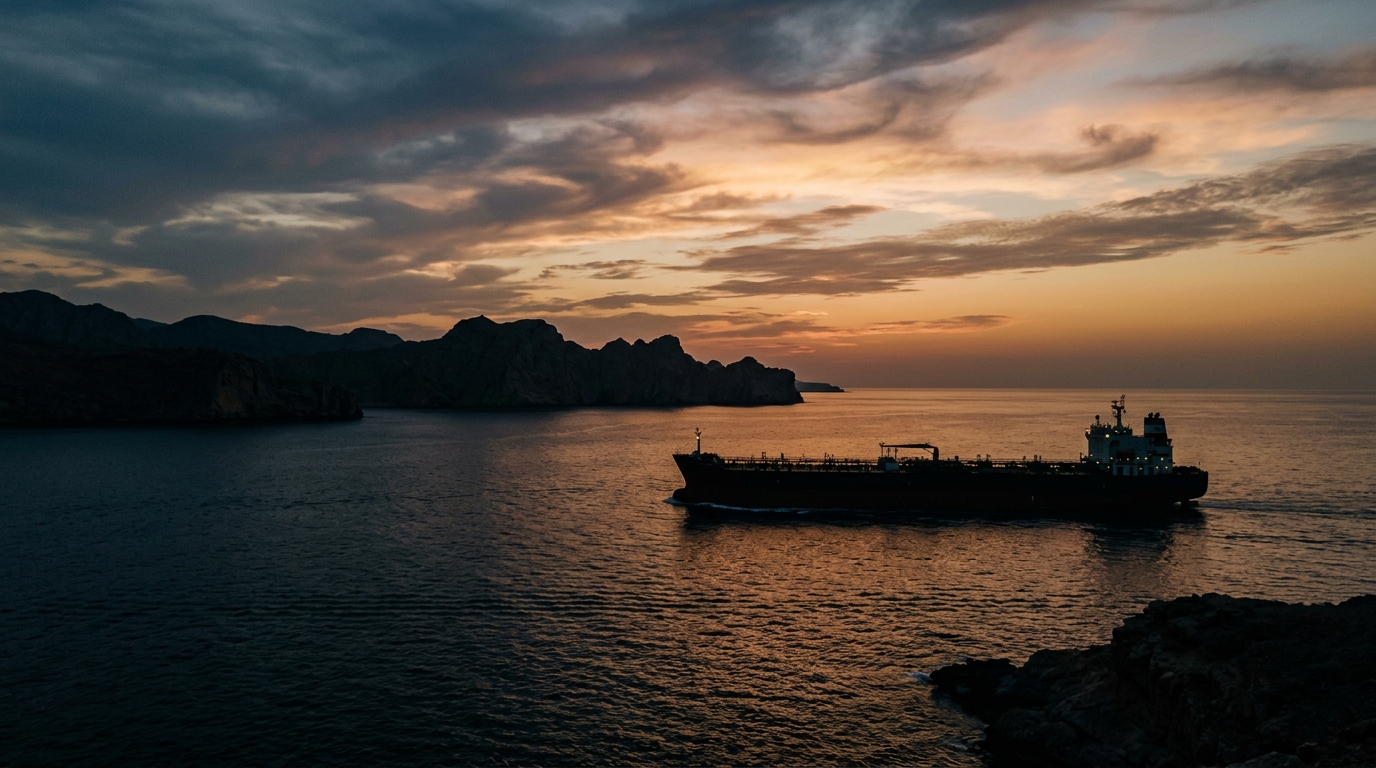
The exchange of fire between the United States and Iran resumed on Sunday, August 30, the first significant military confrontation in more than a month. On Monday, August 31, the United Arab Emirates intercepted an Iranian drone over its territorial waters, its Ministry of Defense reported.
The resumption breaks a pause of more than a month during which the United States maintained economic pressure on Iran to force concessions, including the reopening of the Strait of Hormuz to vessel transit, according to Associated Press. At the same time, Iranian President Masoud Pezeshkian pressed on Monday, August 31, for a negotiated outcome at the Shanghai Cooperation Organization summit in Kyrgyzstan, where he told Indian Prime Minister Narendra Modi that dialogue and cooperation are the path to resolving problems, The Guardian reported. For Mexico and Latin America, the focal point is the stability of Gulf shipping routes through which a significant share of global energy trade flows, a factor that directly affects energy prices.
On Sunday, the United States struck rocket launchers on an Iranian island that Washington said were being prepared to lay mines in the Strait of Hormuz. Iran responded with missiles against U.S. positions in Jordan, all of which were intercepted, and on Monday fired a drone toward the United Arab Emirates, shot down over its territorial waters. The UAE Ministry of Defense described the attack as a dangerous escalation by Iran, while Pezeshkian said his country does not seek war and will respond decisively to aggressors. In Tehran, The Guardian reports, there are internal disagreements over how to proceed: some factions favor confrontation and the right to charge a toll for passage through the strait. The European Union confirmed it will maintain economic pressure on Iran alongside the United States, in the campaign Washington describes as an effort to cut off the financial lifelines of the Islamic Republic.
Pezeshkian keeps the diplomatic channel open from the Shanghai summit, where he will hold talks with world leaders. The combination of that front with sustained economic pressure defines the next phase for the stability of Gulf energy routes.
This article was produced with artificial intelligence assistance from verified sources and reviewed by a human editor before publication.