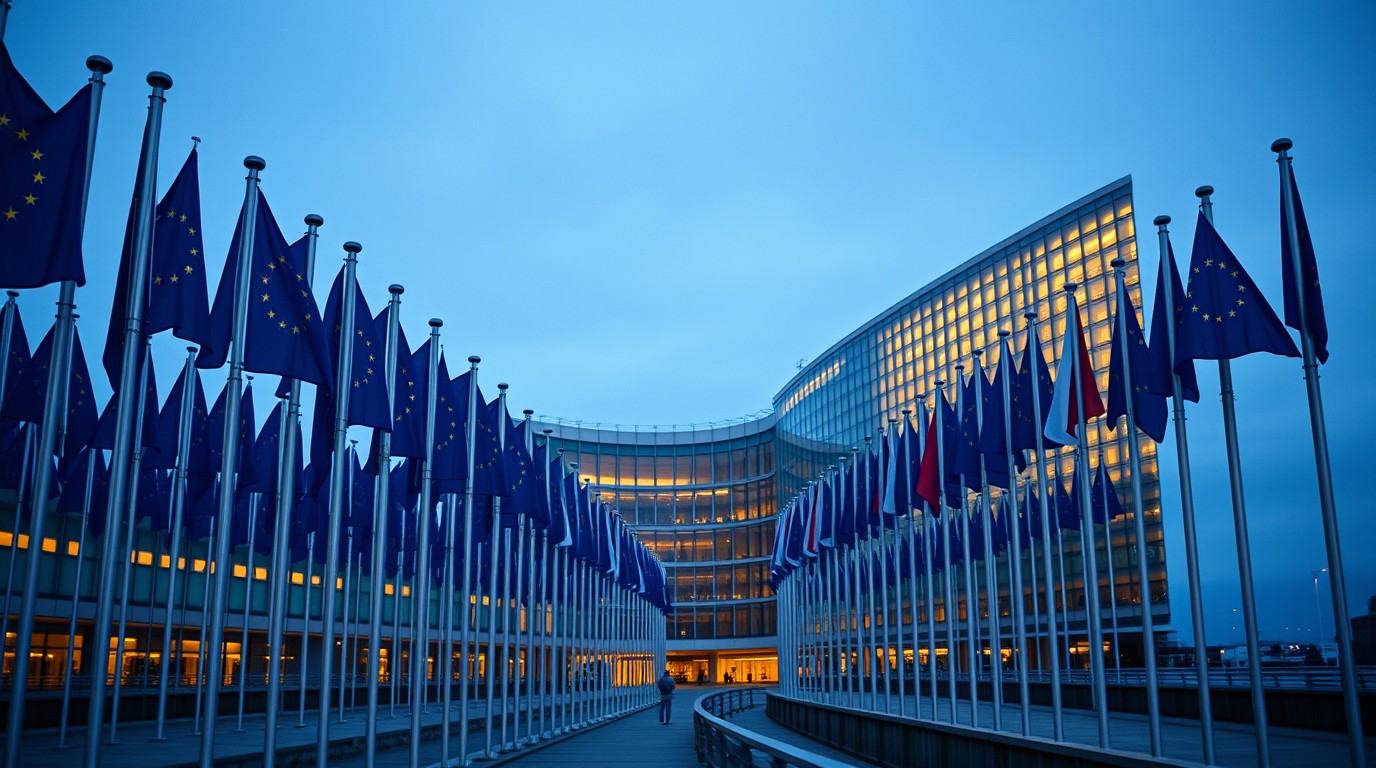
Ukrainian President Volodymyr Zelenskyy on Thursday, November 12, called for the European Union to become a permanent part of negotiations with Russia, during the summit of the European Political Community in Dublin, on the same day that U.S. envoys Steve Witkoff and Jared Kushner met with Vladimir Putin in Moscow.
The proposal comes at the close of two days of trilateral talks in Abu Dhabi, where a prisoner exchange was agreed that Zelenskyy described as an important result, according to coverage by The Guardian. From there, Witkoff and Kushner traveled to Moscow to meet with Putin and then to Dublin, where they briefed Zelenskyy, according to RTÉ. The underlying issue is one of format: who sits at the table defines which European security architecture is negotiated, and that design is the framework within which Mexico and Latin America discuss trade, energy and investment with Washington and Brussels.
Inside the summit, European Council President António Costa argued that the process must include a European voice at the table and set out the priorities: first a ceasefire, then concrete progress in the Black Sea, and then the terms of a peace agreement. Irish Prime Minister Micheál Martin said the European Union needs clear and coherent leadership at that table, and left open the possibility that more than one figure could speak for the bloc, an issue to be formally discussed on Friday the 13th at the European Council. NATO Secretary General Mark Rutte noted that there had been positive progress in Abu Dhabi, though he considered Moscow's willingness to negotiate still unclear. French President Emmanuel Macron noted that without the Europeans there is no support for Ukraine.
The calendar sets the next test: the European Council on Friday the 13th will define how that European representation is organized. Costa described the coming weeks as a decisive test of Russia's willingness to stop the war, a signal that will also be read beyond the continent, on the alliance board with which Mexico and Latin America order their trade and energy agenda.
This article was written with the assistance of artificial intelligence from verified sources and reviewed by a human editor before publication.