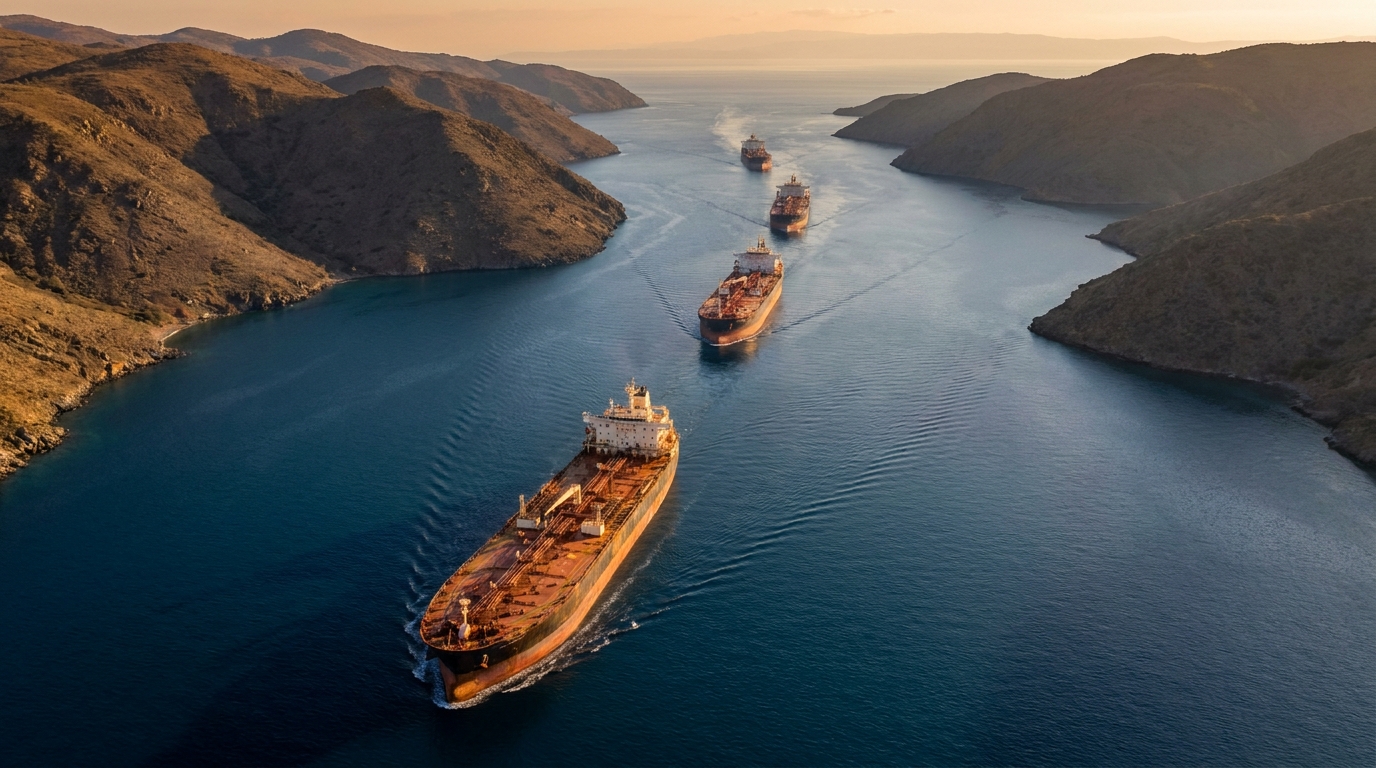
The United States and Iran will sign a memorandum of understanding on June 19 in Switzerland that reopens the Strait of Hormuz to oil traffic and lifts the U.S. naval blockade on Iranian ports. The June 14 announcement, reported by [Fox News](https://www.foxnews.com/live-news/trump-iran-war-peace-talks-pakistan-june-14), closes a four-month blockade that drove prices sharply higher and forced four consecutive quota increases in OPEC+ between March and June.
The cessation of military operations is immediate and permanent, including on the Lebanese front, according to a statement from Iran's Supreme National Security Council cited by [Fox News](https://www.foxnews.com/live-news/trump-iran-war-peace-talks-pakistan-june-14). The deal opens a sixty-day window to negotiate Iran's nuclear program, conditioned on the prior unfreezing of 25 billion dollars in assets. For [PBS NewsHour](https://www.pbs.org/newshour/world/trump-says-deal-reached-with-iran-and-he-has-authorized-that-naval-blockade-leave-strait-of-hormuz), British Prime Minister Keir Starmer welcomed the agreement as a crucial step toward regional stability, a position shared by other European capitals.
The terms include the release of frozen Iranian funds, no new sanctions until a final agreement is reached, exemption from oil sanctions, an end to armed operations, and the reopening of the Strait of Hormuz beginning Friday. Certification that mines have been cleared from the strait will require approximately two months, according to [The National](https://www.thenationalnews.com/opinion/comment/2026/06/15/us-iran-strait-of-hormuz-eu-g7-resources-energy-critical-minerals/). Brent prices were already retreating in prior sessions on diplomatic expectations, with WTI trading below 91 dollars per barrel. The deal intersects with the G7 summit in Évian, where resource security sits at the center of the agenda and opens the door to a redefined energy-mineral axis for the years ahead.
For Mexico, the picture has two dimensions. The Mexican blend tracks Brent, and the rebalancing will compress the geopolitical risk premium that kept prices above 90 dollars throughout the crisis. At the same time, federal oil revenue and the energy costs of domestic manufacturing will absorb the impact in the coming weeks, in the middle of the nearshoring expansion and ahead of the USMCA review. The June 19 signing in Switzerland will set the pace of that rebalancing.
Fuentes:
- https://www.foxnews.com/live-news/trump-iran-war-peace-talks-pakistan-june-14
- https://www.pbs.org/newshour/world/trump-says-deal-reached-with-iran-and-he-has-authorized-that-naval-blockade-leave-strait-of-hormuz
- https://www.thenationalnews.com/opinion/comment/2026/06/15/us-iran-strait-of-hormuz-eu-g7-resources-energy-critical-minerals/