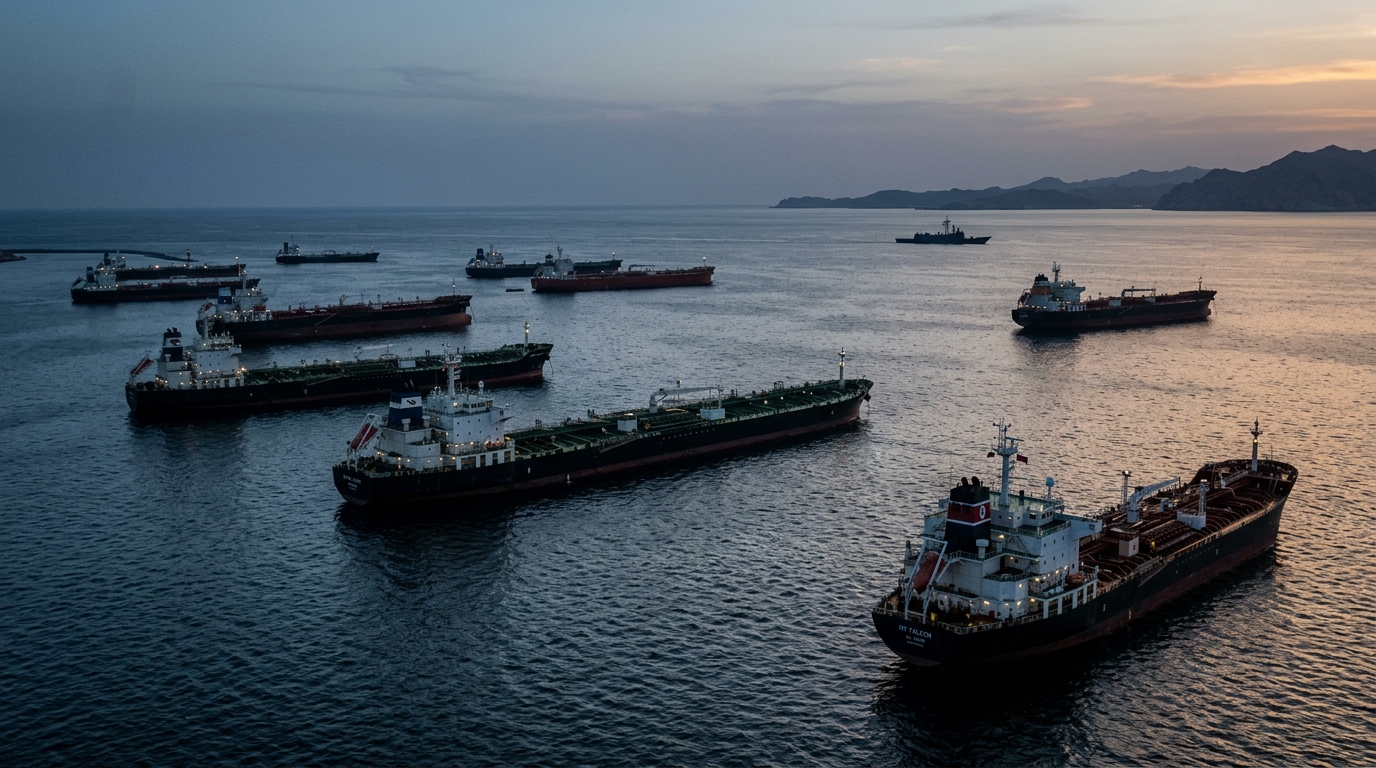
Brent crude rose above $90 per barrel on August 18, for the first time since July 30 according to The Guardian, after the two-month truce between the United States and Iran expired without renewal. Only six commercial vessels transited the Strait of Hormuz on August 17, according to Kpler.
The 60-day truce signed in June between Washington and Tehran expired on August 17 without renewal, while Iran and Oman are finalizing a joint declaration on a new shipping route through the strait, according to Al Jazeera. Before the conflict, roughly one fifth of the oil and liquefied natural gas traded by sea passed through Hormuz, with around 130 vessels daily. For Mexico, the figure matters as an oil-exporting economy: Pemex's export blend tracks international benchmarks, and this price level feeds into the assumptions Hacienda uses to build the 2027 economic package.
Brent moved from around $66 before the conflict began on February 28 to exceeding $100 on several occasions, with a high of $119 in March, according to Al Jazeera. Deutsche Bank analysts read the rally as a signal that investors are pricing in a more prolonged closure of the strait. US President Donald Trump threatened to bomb Oman if that country interfered in the peace process, a warning he issued for the second time, and Iran's military spokesperson Ebrahim Zolfaghari warned that vessels attempting to cross would be attacked, according to The Guardian.
The next decision window opens with the joint declaration that Iran and Oman are preparing on a new shipping route, while transit through Hormuz remains well below the 130 daily vessels recorded before the conflict. The direction of the benchmark price that accompanies Mexico's export blend depends on the outcome of those negotiations.
This article was written with artificial intelligence assistance based on verified sources and reviewed by a human editor before publication.