Russian President Vladimir Putin warned on August 12 that Russia will respond with seizures of European vessels if the European Union carries out its plans to confiscate ships carrying Russian cargo, according to the TASS agency. The warning, delivered aboard a cruise ship off Sakhalin Island, comes as Russian energy trade reorients toward Asia.
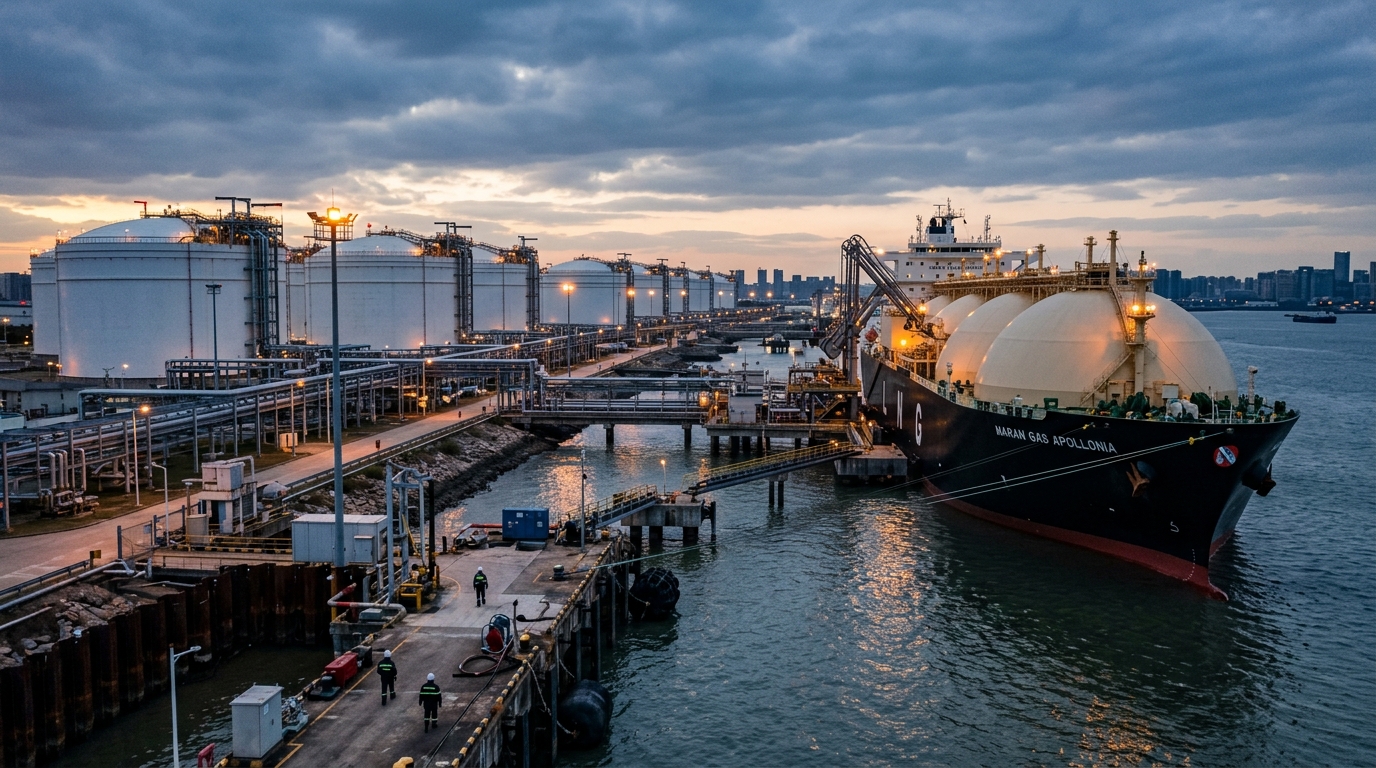
The threat fits within the broader dispute over the so-called shadow fleet, vessels transporting Russian oil amid European sanctions. Several EU member states have intercepted ships suspected of belonging to it, and sanctions approved last month authorize the sale of confiscated cargo. In parallel, analysis by Foreign Policy indicates that China has become the backbone of Russian exports of sanctioned liquefied natural gas (LNG): between August 2025 and June 2026, the Chinese port of Beihai received more than 40 cargoes from Russian projects under U.S. sanctions, at discounts of between 30 and 40 percent against Asian benchmark prices. The pattern anticipates a sanctions-resistant trading system that redraws global gas supply.
The analysis details the infrastructure behind the diversion. The Beihai terminal stopped importing LNG from other suppliers before receiving its first Russian cargo, and the new Longkou terminal is expected to receive similar cargoes later this year; both are operated by state-owned PipeChina. The fleet carrying sanctioned LNG grew from nine identified vessels in 2024 to 23 since then. On the naval front, Al Jazeera reports that Putin ordered his Ministry of Defense and the Pacific Fleet to prepare responses, and called the European seizures piracy and theft, according to the RIA Novosti agency.
The European Union plans to eliminate Russian LNG imports after 2027, and U.S. liquefaction capacity is expected to expand 30 percent by that year. The pattern anticipates a reconfiguration of global gas flows, with Beihai and Longkou as central pieces, a map on which the prices Mexico pays depend.
This article was drafted with artificial intelligence assistance from verified sources and reviewed by a human editor before publication.