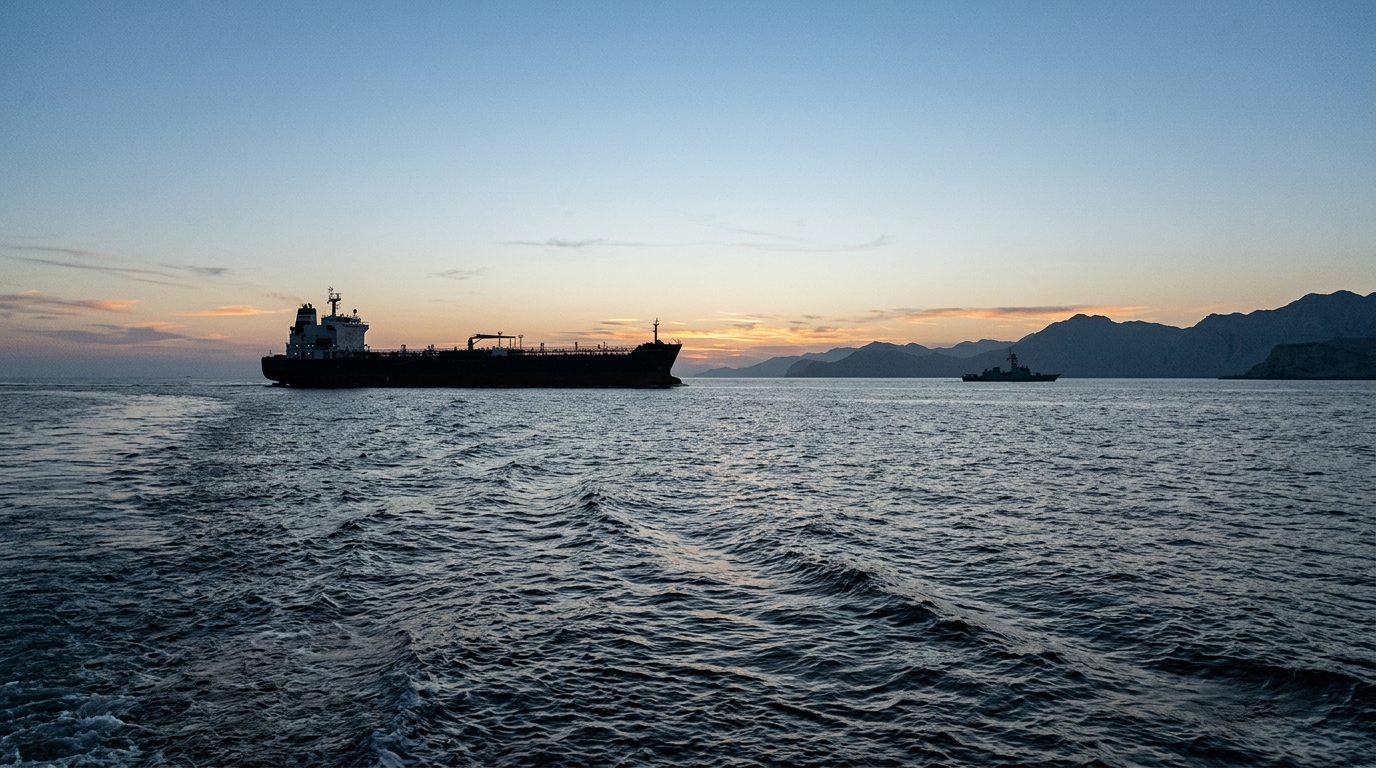
U.S. President Donald Trump declared on August 11 that his country exercises 'total control' of the Strait of Hormuz, and Iran's government rejected the claim while keeping restricted the passage through which one-fifth of the world's oil and natural gas flows, according to Al Jazeera.
The declaration comes as Washington and Tehran harden their positions, according to Bloomberg. Iran closed the strait shortly after U.S. and Israeli airstrikes against the country began in late February, and demands the lifting of sanctions, the release of frozen assets, and compensation for the attacks as conditions for reopening it. Shipping operations remain severely curtailed and incidents persist, according to UK Maritime Trade Operations, while tension has spread to the Bab al-Mandeb, at the entrance to the Red Sea, where six people were killed in an attack on a Saudi cargo vessel, according to Yemeni authorities. For Mexico, the standoff is a direct channel to the gas and fuel prices the country imports: pressure on the corridor translates directly into energy tariffs in Mexico and across the rest of Latin America.
The scale of the blockade is apparent in transit numbers: on Tuesday, August 11, eight vessels crossed the strait, compared to roughly 130 per day before the conflict, according to data from naval tracking firm Kpler. That same day, U.S. forces fired on the Vela Nova, a Panama-flagged cargo vessel they identified as attempting to break the blockade of Iranian ports, according to U.S. Central Command. On the diplomatic front, Iran is negotiating the future management of the passage exclusively with Oman, and Foreign Minister Abbas Araghchi said those talks, which envision new routes, are in their 'final stage.' Separately, Trump demanded that Iran provide compensation for victims of past conflicts, a counteroffer to Tehran's own reparation demands, and Brent crude remains above its pre-conflict levels, CNBC reported.
The interim memorandum negotiated by Pakistan and Qatar, under which Iran agreed to keep Hormuz open for at least 60 days, expires next week. With that agreement expiring and the Oman talks in their final stage, strait transit volumes and gas prices will remain the key indicators to watch.
This article was written with artificial intelligence assistance from verified sources and reviewed by a human editor before publication.