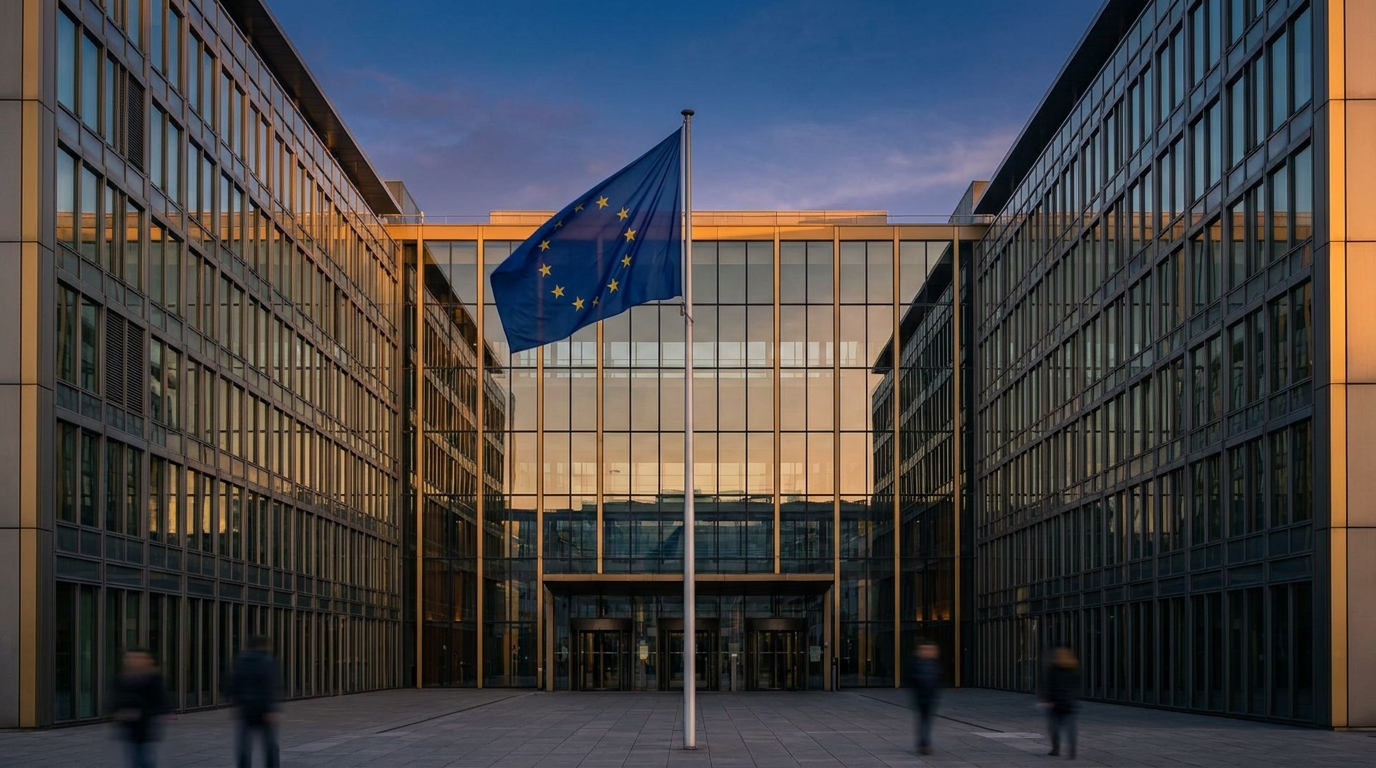
The Court of Justice of the European Union confirmed on July 2, 2026 the fine of 4,100 million euros against Google for anticompetitive practices in Android. The European Commission ordered, within the same month, that the operating system be opened to competitor artificial intelligence services starting July 2027.
The European court's ruling closes more than a decade of regulatory scrutiny over the Android ecosystem. The CJEU determined that Google illegally conditioned the Play Store license on the pre-installation of its search engine and Chrome browser, and blocked the development of alternative operating system versions through anti-fragmentation agreements. The fine, originally 4,340 million euros and confirmed in its core elements, adds to prior sanctions that bring total European fines against the company to nearly 11,000 million euros, according to RTE.
In parallel, the European Commission is applying the Digital Markets Act (DMA) to require Google to share search data with competitors from January 2027 and to allow third-party artificial intelligence assistants to be activated by voice commands in Android from July of that year. A working paper from the Bruegel think tank, released this month, backed the measure, noting that it opens access points for rival AI assistants and reduces the risk of a single platform concentrating the artificial intelligence market.
The CJEU ruling, reported by AP, establishes principles that facilitate competition authority action in digital markets: it is not necessary to demonstrate what would have occurred without the anticompetitive conduct, nor to apply the equally efficient competitor test when network effects block the entry of new players. The European Commission is preparing new guidelines on exclusionary abuse for the third quarter of 2026.
For economies building their digital governance frameworks, the European model offers a closely watched path. The combination of antitrust enforcement with ex ante regulation through the DMA represents one of the most developed international benchmarks for balancing competition, innovation and access in winner-take-all markets.
This article was drafted with artificial intelligence assistance from verified sources and reviewed by a human editor before publication.