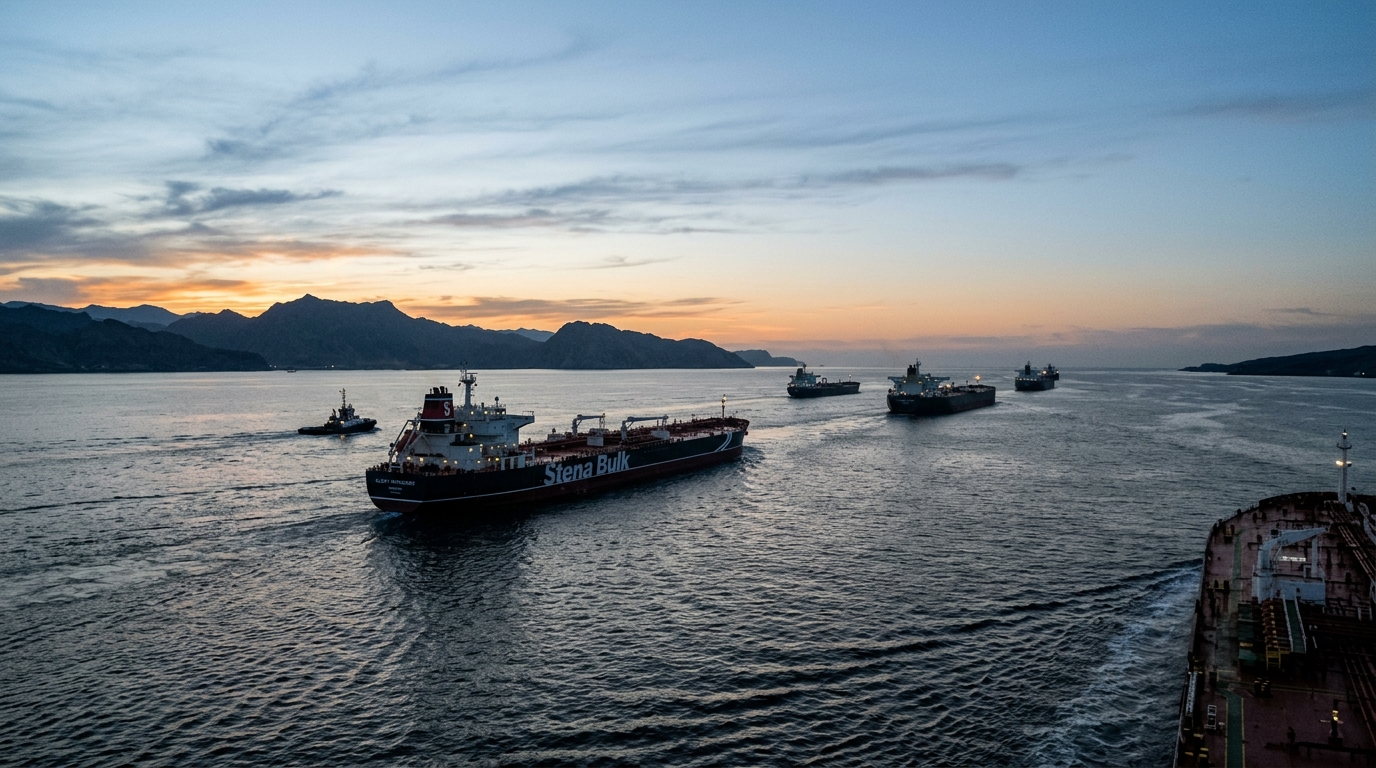
The United States formally enacted a new economic sanctions package against Iran on Monday, August 24, according to El País. Treasury Secretary Scott Bessent described the operation as the largest financial offensive ever mounted against an adversary, according to The Guardian, and the measure includes secondary sanctions for any country or entity that trades with Tehran.
Iran responded with warnings of retaliation against any country that cooperates with the measure, according to The Guardian. The United Arab Emirates, Iran's largest commercial partner in the Middle East, announced the end of all trade with Tehran on the eve of the announcement. The rial was trading on Monday at 1,992 million per dollar on the unregulated market, 4.5% below its level of a week ago, according to The Guardian. The real test of the pressure rests with India, China, and Russia, the countries capable of sustaining trade with Iran despite secondary sanctions. For Mexico, the escalation matters because crude oil performance feeds petroleum revenues into the federal budget: a sustained rise in barrel prices is reflected in Pemex transfers to the treasury.
China absorbed close to 80% of Iran's maritime crude oil exports in 2025, according to Al Jazeera, and Beijing said it will take the necessary measures to protect its interests. The governor of Iran's central bank, Abdolnaser Hemmati, admitted last week that crude oil exports are practically halted by the US naval blockade. Iran warned through its head of the Supreme National Security Council, Mohsen Rezaei, that neighboring countries joining the campaign will be considered enemies and that no oil will leave the gulf if they cooperate. In a column published Sunday in the Financial Times, Bessent argued that total financial isolation can prevent the use of American military force.
Transit through the Strait of Hormuz, through which one fifth of global oil and gas trade passes according to Al Jazeera, already registered disruptions over the weekend. The credibility of the offensive will be measured in the coming weeks: the decisions of China, India, and Russia will define whether the pressure holds and the direction of crude oil prices.
This article was drafted with the assistance of artificial intelligence from verified sources and reviewed by a human editor before publication.