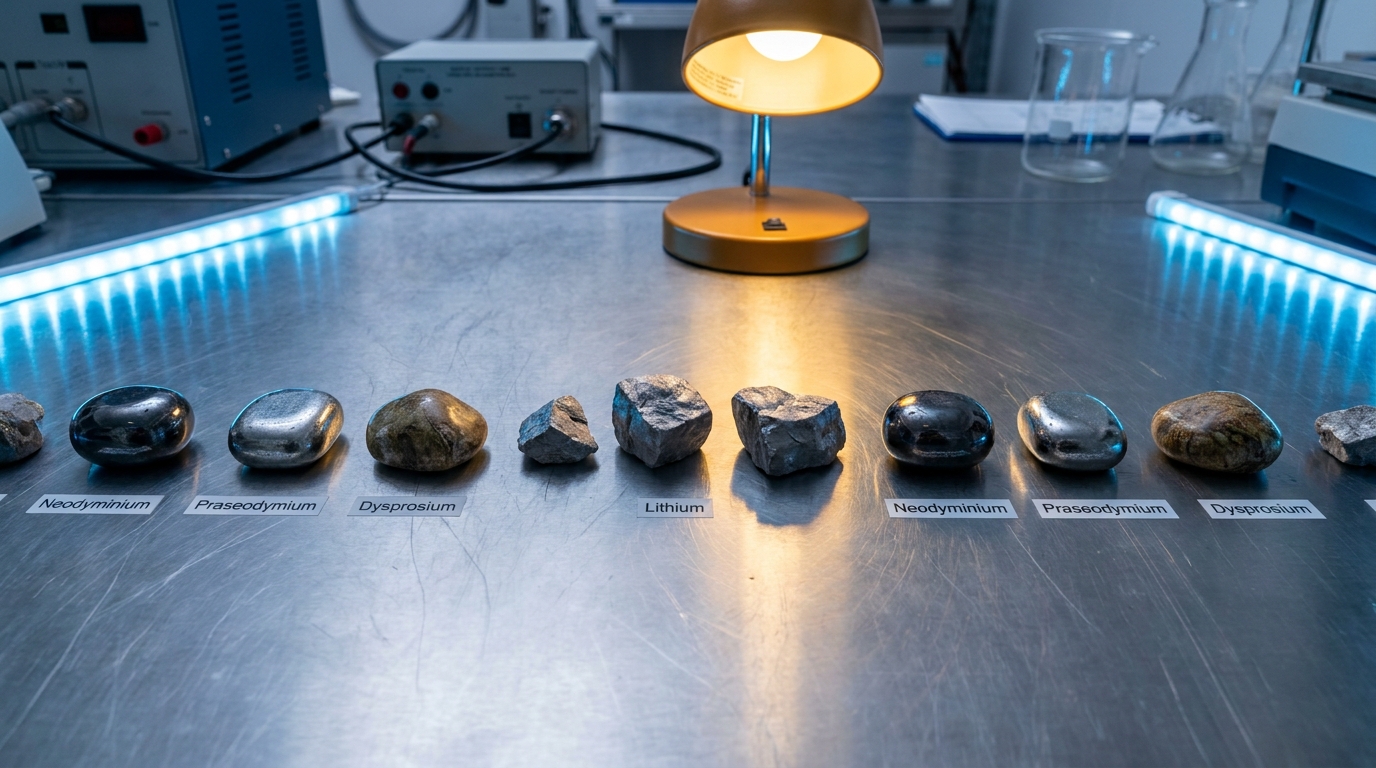
The French G7 presidency closed Évian with an active effort to lock in a joint declaration on critical minerals that would reduce Western dependence on China in cobalt, lithium, rare earths and semiconductor processing. The initiative clashes with the White House's price-floor plan and opens a debate about the bloc's industrial architecture.
According to [Prism News](https://www.prismnews.com/news/france-pushes-g7-allies-to-back-critical-minerals-statement), Paris framed economic security as the central axis of its presidency and pushed allies to back measures protecting Western investors from Chinese countermeasures and dumping. [KFGO Reuters](https://kfgo.com/2026/06/16/g7-leaders-tackle-reliance-on-china-for-critical-minerals/) coverage captures the formula French diplomacy used to describe the problem: China produces too much, the United States consumes too much, and Europe invests too little. Beijing has already warned of firm countermeasures against any potential European protectionist moves, while Brussels recorded a record trade deficit of 360 billion euros with China in manufactured goods last year.
The options the bloc is weighing include price supports, market standards, subsidies, guaranteed purchases and the attraction of private capital to supply chains outside China. The French team pushed for the creation of a permanent secretariat to give the agenda continuity beyond each annual presidency and insulate coordination from political reversals. The UK and Japan have already signed a prior bilateral declaration on resilient supply chains, while Canada leads a group focused on ethical mining, refining and recycling. The Trump administration insists on price floors that part of the industry considers costly and difficult to govern, along with strategic reserves restricted to political allies. Building alternative supply chains will take years given China's consolidated dominance over the past two decades.
For Mexico and the region, this conversation matters: the new resource security perimeter is being drawn with politically aligned partners, right as the T-MEC review got under way on July 1. National industrial policy over the next twelve months will determine whether Mexican lithium, copper and processing capacity enter the Western arrangement or are left outside the new productive architecture.
Frequently Asked Questions
What is France proposing to the G7 on critical minerals in June 2026?
France is proposing a joint declaration including price supports, market standards, subsidies and a permanent secretariat to reduce Chinese dependence, according to Prism News and KFGO Reuters coverage from June 16 and 17.
What is the size of the European Union's trade deficit with China cited at the G7 summit?
The European Union recorded a record trade deficit of 360 billion euros with China last year, a figure shared with the press at the Évian summit, according to KFGO Reuters coverage from June 16.
What role do Canada, the UK and Japan play on the G7 critical minerals front?
Canada leads a group focused on ethical mining, refining and recycling, while the UK and Japan signed a prior bilateral declaration on resilient supply chains, according to Prism News and KFGO Reuters.
Fuentes:
- https://www.prismnews.com/news/france-pushes-g7-allies-to-back-critical-minerals-statement
- https://kfgo.com/2026/06/16/g7-leaders-tackle-reliance-on-china-for-critical-minerals/