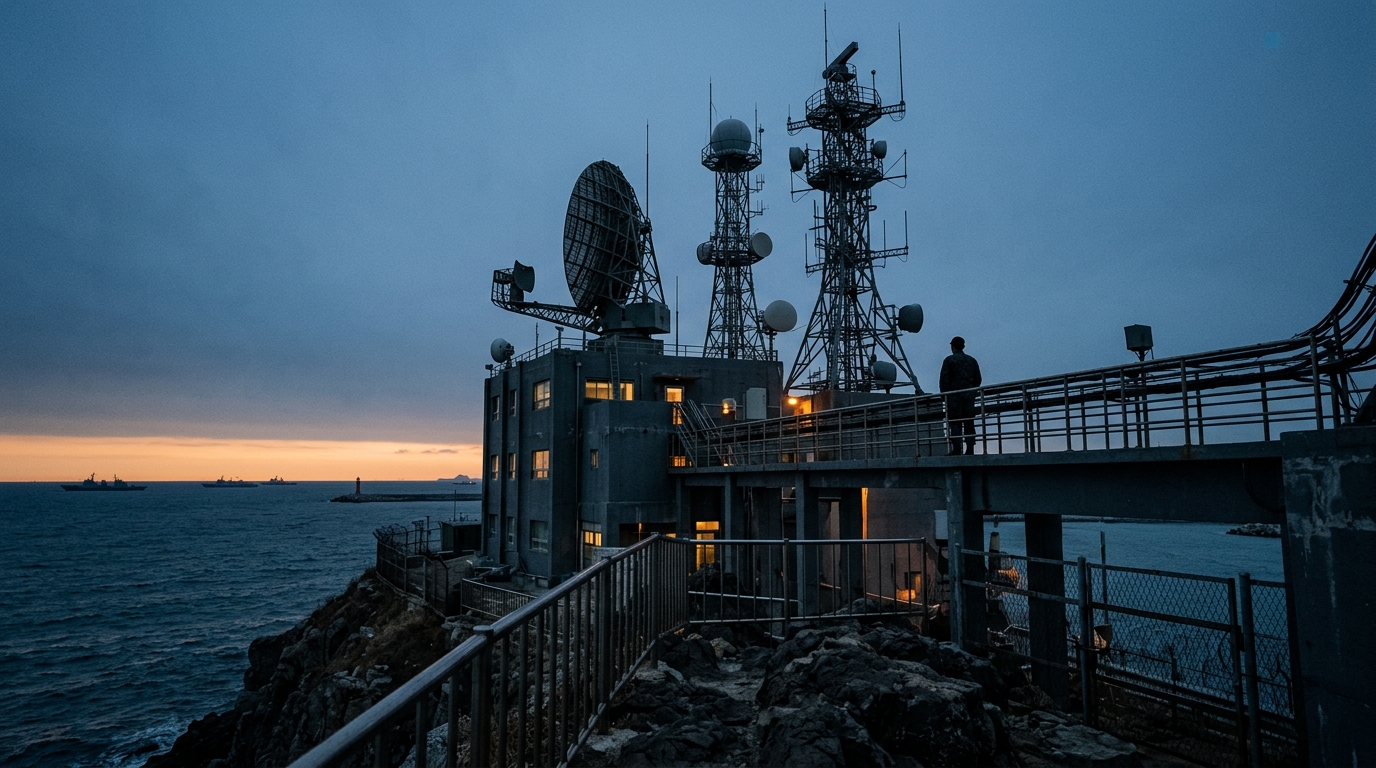
North Korea launched a short-range ballistic missile on Thursday, August 6, 2026, from the coastal area of Wonsan into the Sea of Japan, its first launch since late June, on the eve of the annual joint military exercises between the United States and South Korea.
The launch comes two days after the Japanese government described the North Korean threat as one of the most serious and imminent in decades, in its new Defense White Paper, as reported by El País. The pattern of ballistic tests ahead of allied military exercises is consistent: since the collapse of diplomatic talks with former President Donald Trump in 2019, Kim Jong Un's regime has prioritized expanding its nuclear and ballistic arsenal, with emphasis on intercontinental missiles and submarine-launch capabilities, according to Associated Press. For Mexico, the Indo-Pacific escalation carries growing relevance: industrial supply chains tied to the automotive and electronics sectors depend on the stability of the region's maritime corridor.
South Korea's armed forces confirmed the launch and heightened their surveillance in coordination with Washington and Tokyo. Japan's Ministry of Defense detected the projectile without recording any impact on Japanese territory or waters; the coast guard alerted vessels in the area to report any objects falling into the sea. The missile was fired from Wonsan at around 5 p.m. local time. The most recent previous test, in June, involved a tactical ballistic missile with a special-mission warhead. In parallel, Pyongyang has deepened its collaboration with Moscow by sending weapons and troops to the conflict in Ukraine, as part of a strategic partnership that diversifies its international relations.
The annual military exercises between Washington and Seoul, set to begin in the coming days, have historically marked a period of heightened North Korean test activity. Pyongyang's behavior during that window will signal whether conditions exist to explore any form of diplomatic detente before the close of 2026.
This article was drafted with the assistance of artificial intelligence from verified sources and reviewed by a human editor before publication.