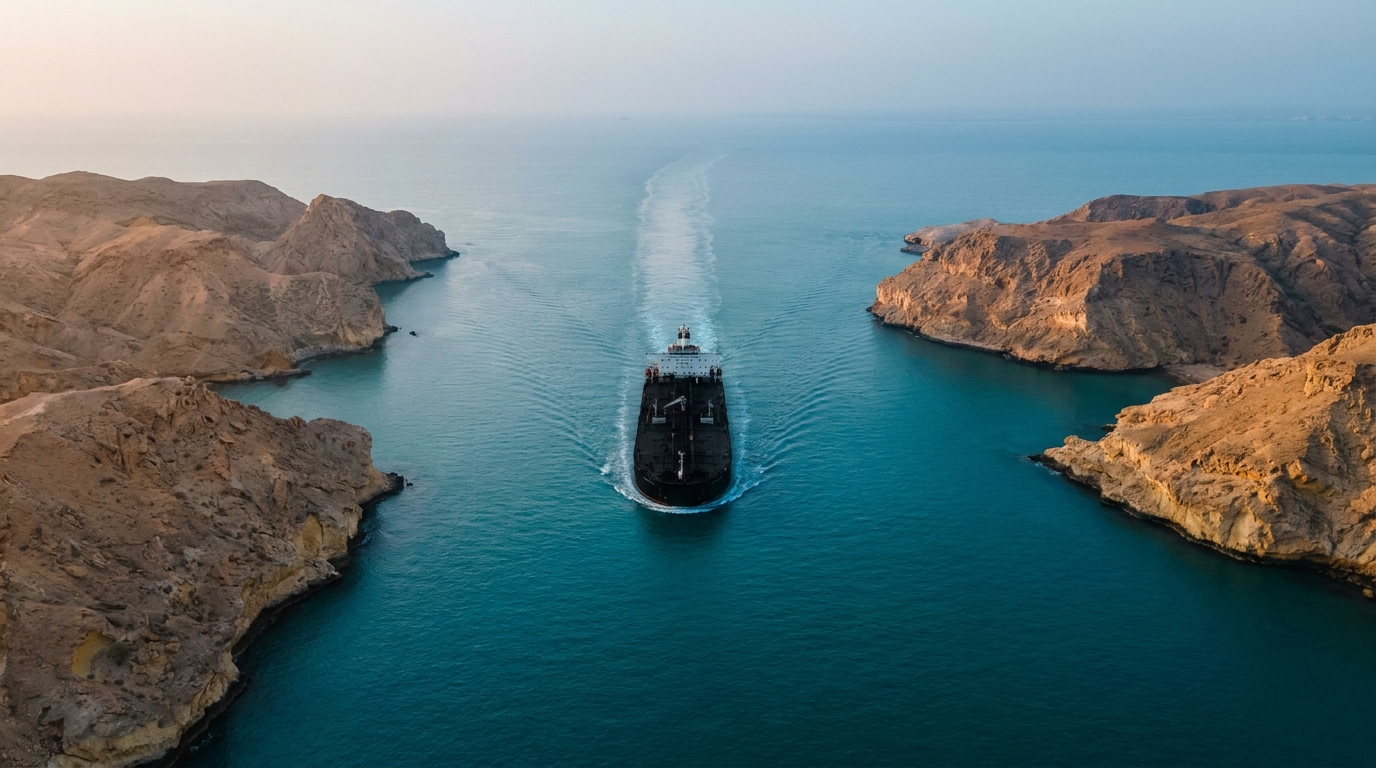
The United States and Iran announced a framework agreement to reopen the Strait of Hormuz after more than one hundred days of blockade, sending oil prices to their lowest levels since early March. The 60-day armistice includes the resumption of Iranian crude exports and a ceasefire across all regional fronts.
According to [Al Jazeera](https://www.aljazeera.com/news/2026/6/14/us-iran-ceasefire-deal-announced-trump-says-strait-of-hormuz-reopening), President Donald Trump announced the ceasefire with immediate effect, while Pakistan, Qatar, Saudi Arabia, and Turkey acted as mediators, with public backing from the United Kingdom and France. The memorandum will be signed on Friday, June 19, in Switzerland. Coverage from [OilPrice](https://oilprice.com/Latest-Energy-News/World-News/Oil-Prices-Plunge-as-US-and-Iran-Reach-Deal-to-Reopen-Strait-of-Hormuz.html) notes that the strait's closure lasted more than one hundred days following the February offensive, and that the agreement releases $24 billion in frozen Iranian funds, with $12 billion available before the next round of nuclear negotiations. The package also includes the lifting of sanctions on Iranian oil exports and a declaration that Iran will not produce nuclear weapons.
Brent crude fell 3.95% to close at $83.88 per barrel and WTI dropped 4.62% to $80.96 per barrel, according to OilPrice, leaving the barrel roughly 40% below the peak reached during the conflict. Trump declared on social media that oil would flow again once the agreement is signed, and said the reopening would cover toll-free maritime passage for all flags. Insurers, shipowners, and crews still require technical guarantees and demining of the corridor before full commercial transit can resume, however. Pakistan, through Prime Minister Shehbaz Sharif, confirmed the Switzerland date. The declaration also covers the cessation of hostilities in Lebanon and the unblocking of approximately one hundred oil tankers stranded in the Gulf.
For Latin America, the relief is twofold: lower international prices ease imported inflationary pressure and reopen the regional export window. Pemex and Ecopetrol now face a market with a declining price curve just as peak domestic demand months begin. The June 19 signing in Switzerland will be the next operational test for validating the technical timeline.
Frequently Asked Questions
How much did Brent crude fall following the June 2026 US-Iran agreement?
Brent fell 3.95% to close at $83.88 per barrel, while WTI dropped 4.62% to $80.96 per barrel, in response to the deal announcement, according to OilPrice.
Which actors mediated between the United States and Iran to reopen Hormuz in June 2026?
Pakistan, Qatar, Saudi Arabia, and Turkey served as primary mediators, with public support from the United Kingdom and France, according to Al Jazeera's coverage on June 14.
How long does the ceasefire agreed between Washington and Tehran in June 2026 last?
The ceasefire has an initial duration of 60 days, during which Iran will resume crude exports and nuclear negotiations will continue, according to Al Jazeera's report published on June 14.
Fuentes:
- https://www.aljazeera.com/news/2026/6/14/us-iran-ceasefire-deal-announced-trump-says-strait-of-hormuz-reopening
- https://oilprice.com/Latest-Energy-News/World-News/Oil-Prices-Plunge-as-US-and-Iran-Reach-Deal-to-Reopen-Strait-of-Hormuz.html