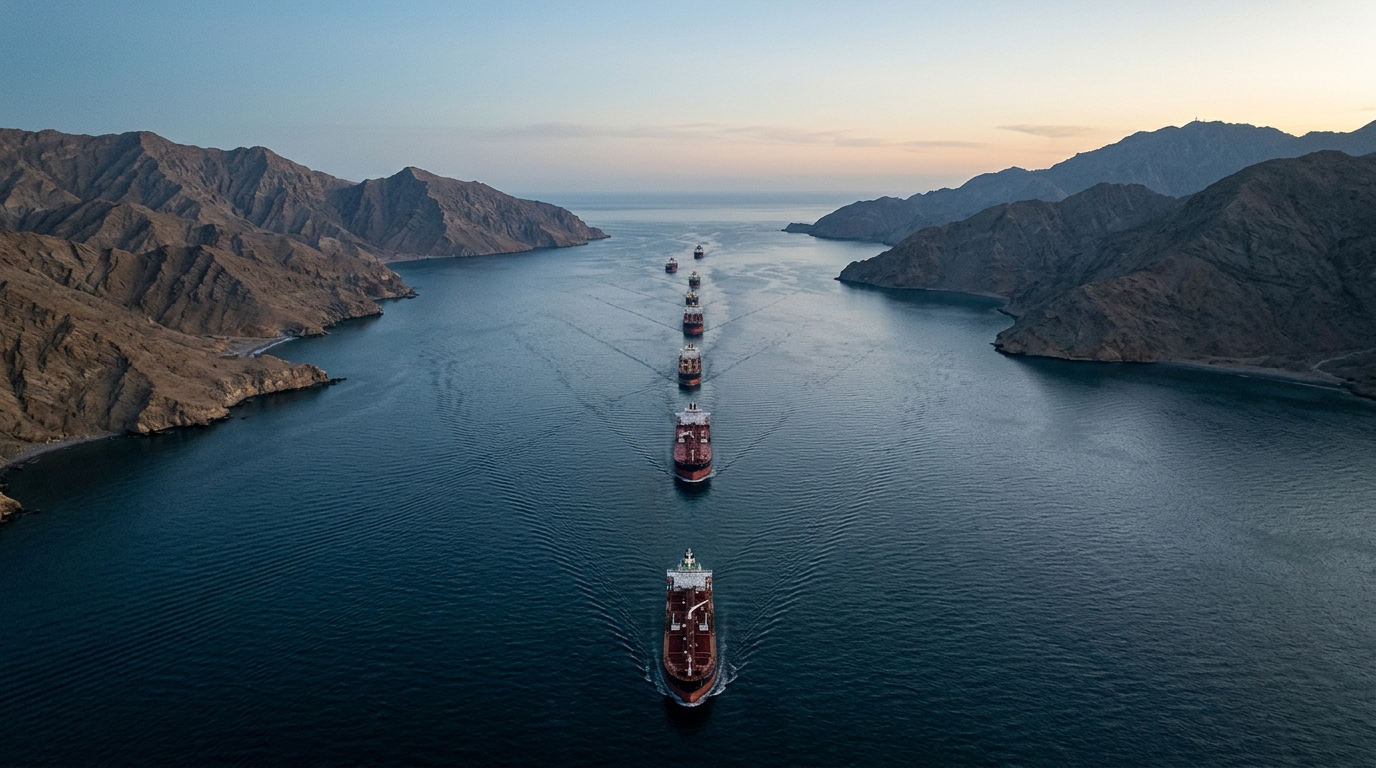
Iran's foreign minister, Abbas Araghchi, announced on Thursday, September 24, 2026, on the sidelines of the UN General Assembly in New York, that Tehran handed the United States a seven-day plan to reopen the Strait of Hormuz, according to Al Jazeera, as the conflict that began last February reaches seven months.
The mechanism revives the memorandum of understanding that both countries signed on June 17, which granted 60 days of toll-free navigation through the strait in exchange for negotiating peace and collapsed the following month, according to Público. The difference is the pace: seven days instead of sixty. Hormuz concentrates nearly one-fifth of global oil flows, and its interruption has raised energy prices beyond the Gulf. For Mexico, a net importer of diesel and refined products, that pressure translates into the energy bill and raw material costs.
The clock starts the day after Washington's acceptance. There are three conditions: the cessation of all hostilities, including Lebanon; the release of frozen Iranian assets, estimated at at least 12,000 million dollars, according to Público; and exemption from sanctions on Iranian oil with the lifting of the naval blockade. The sequence envisions the reopening of Hormuz on the seventh day and the immediate start of talks on the nuclear program. Urban Coningham, a researcher at the Royal United Services Institute, told Al Jazeera that Hormuz is a red line for Tehran and that, without war reparations, control of the strait is its main path to economic recovery. Secretary of State Marco Rubio maintained that the three-hour meeting mediated by Qatar did not constitute progress; the White House described constructive contacts through intermediaries.
The impact is already being recorded outside the Gulf: Al Jazeera reported on September 25 a rise in the cost of living and food insecurity in Nigeria attributed to the conflict. The next signal is whether Washington accepts the sequence before November 3, the date of the midterm elections in the United States.
This article was written with the assistance of artificial intelligence from verified sources and reviewed by a human editor before publication.