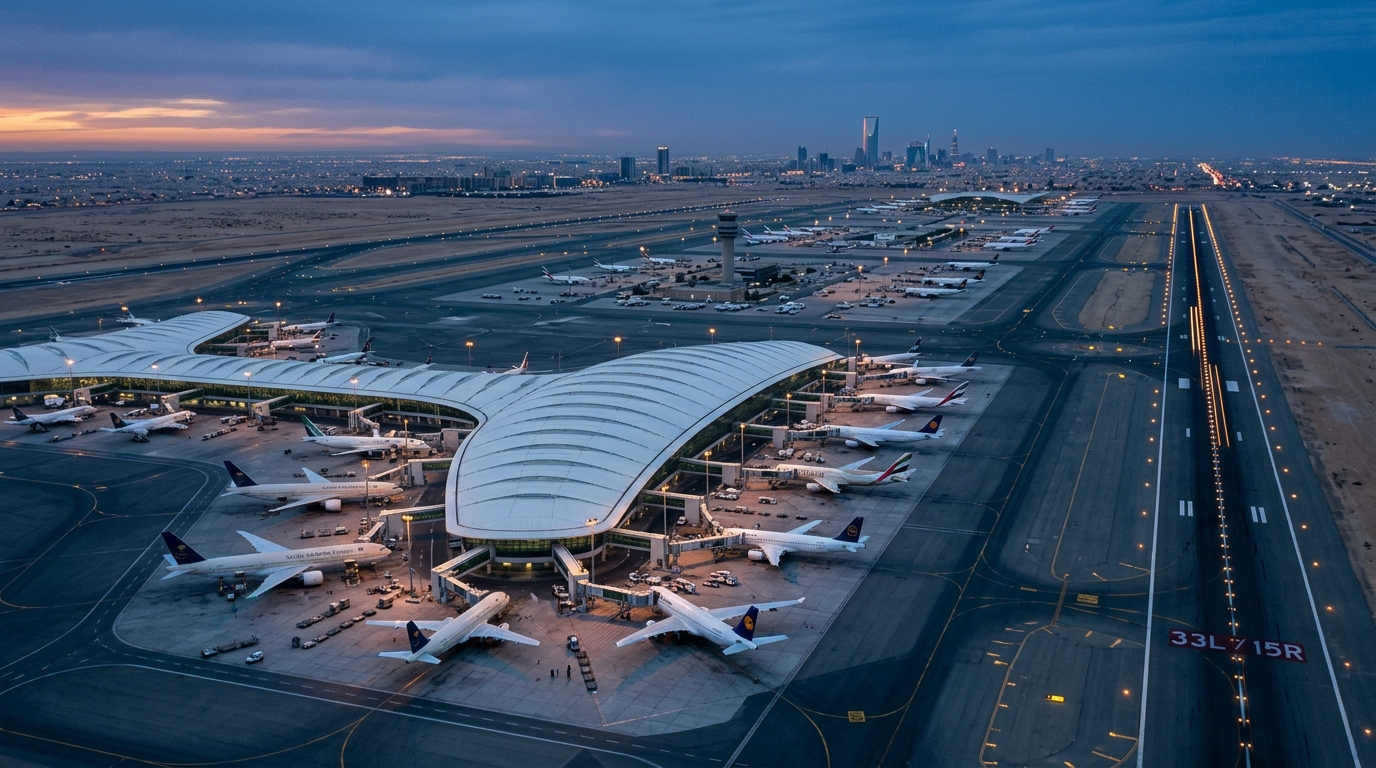
The attack on King Khalid International Airport in Riyadh killed 12 people and wounded 309 on Saturday, October 10, 2026, according to the Saudi civil aviation authority cited by Al Jazeera. It is the deadliest strike against the kingdom in more than a decade and puts Gulf air and maritime transit back at the center of the energy board.
The Saudi-led military coalition attributed the attack to Yemen's Houthis and described it as a war crime, according to the statement from spokesman Turki al-Malki carried by Al Jazeera. The group did not claim the attack, but renewed its warning to airlines, workers and travelers to stay out of Saudi airports and airspace. Its military spokesman, Yahya Saree, made an exception for Mecca and Medina and argued that the kingdom bears the responsibility for any failed interception, in messages reported by The Guardian. Behind it lies Houthi control of islands in the Bab al-Mandab strait, the route through which Saudi Arabia, the world's leading crude exporter, diverts flows while the Strait of Hormuz remains closed. For Mexico, which imports gasoline and diesel, that route feeds into the cost of fuels.
Among the dead are four Saudis, two Bangladeshis and one citizen each of the United States, Egypt, Jordan, Syria, Palestine and Sudan. Authorities suspended operations at the airport, several airlines cut their service to Saudi destinations and Riyadh schools moved to remote classes for a week. The Houthi Health Ministry reports 91 Yemenis killed and 168 wounded across five weeks of coalition attacks. U.S. President Donald Trump said his government is weighing whether to join the Saudi operation against the Houthis and that he plans to speak with the kingdom's leadership. In the United States, the price of gasoline has climbed 47% since February, according to The Guardian.
Trump said the decision on U.S. military participation will be known soon, while the Saudi coalition promised to respond firmly. How the front at Bab al-Mandab develops will determine how long it takes for the transit of crude and refined products through the Red Sea to normalize, the variable fuel markets will be watching closely.
This article was written with the assistance of artificial intelligence from verified sources and reviewed by a human editor before publication.