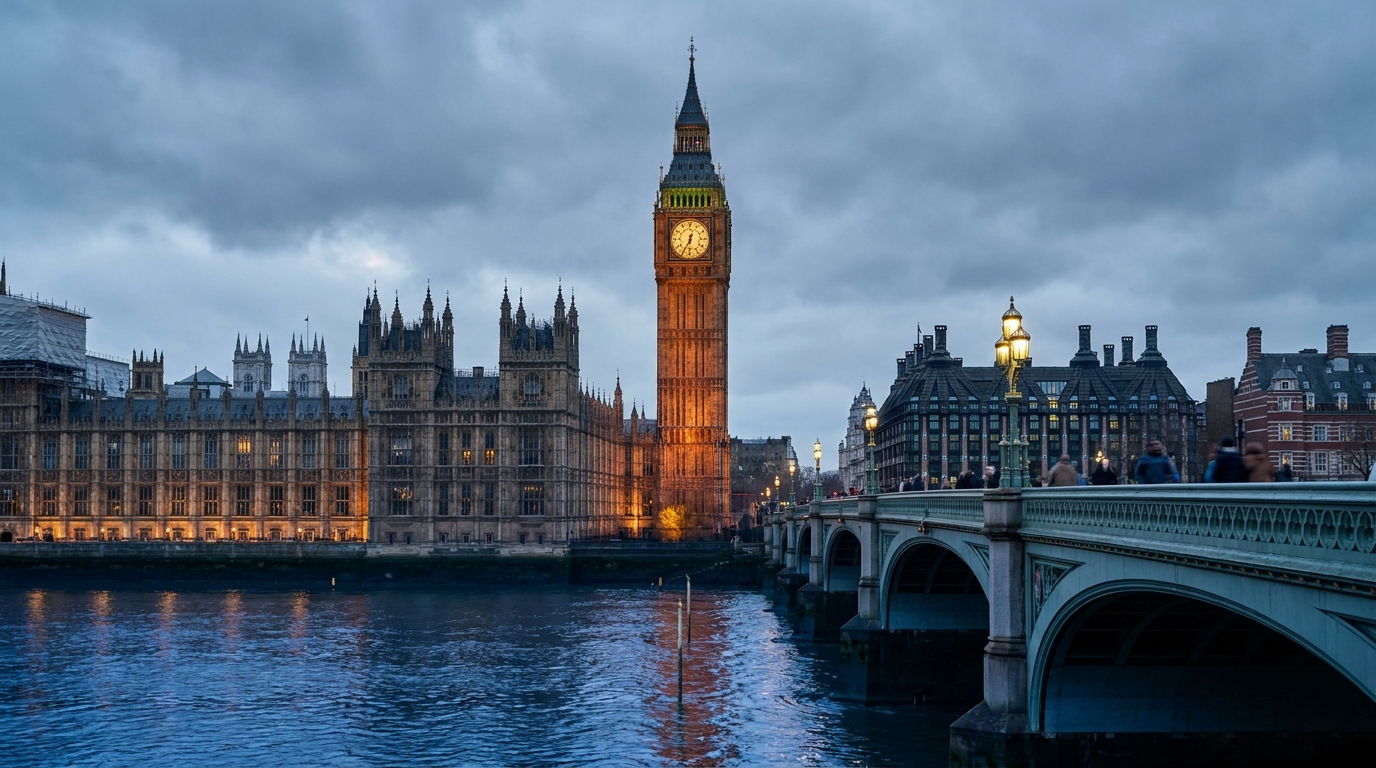
Andy Burnham was confirmed this Friday, 17 July, as the new leader of the UK Labour Party, with 379 of the 403 parliamentary votes, and will assume office as Prime Minister on Monday, 20 July, Al Jazeera reported. The transition places the former Mayor of Manchester at the helm of a G7 economy at a moment of inflationary pressure, two active armed conflicts, and volatile energy prices.
The confirmation took place at an extraordinary conference at the Trades Union Congress headquarters in London. Shabana Mahmood, chair of the Labour Party National Executive Committee and Home Secretary, declared the result after a process in which Burnham was the only candidate to reach the threshold of 81 parliamentary nominations. Keir Starmer had announced his resignation as party leader on 22 June. For Mexico, the succession in a G7 economy with which it maintains a trade continuity agreement since the UK's departure from the European Union represents a variable to monitor: changes in the orientation of British trade or foreign policy carry consequences for the bilateral relationship, particularly in financial services, energy, and cooperation in multilateral forums.
Burnham, 56, governed Greater Manchester from 2017 to 2024 and returned to Parliament on 19 June by winning the Makerfield by-election, according to The Guardian. In his acceptance speech he promised to place the cost of living "front and centre of government" and announced the largest redistribution of power from Westminster to the regions in the country's modern history. The initiative includes an executive headquarters in Manchester. The new leader also received the backing of the 11 unions affiliated to the party. The cabinet will be announced on Monday. According to the Financial Times, as cited by The Guardian, the new government's plans envisage an expanded Department for Business and Trade that will absorb business energy policy functions, with Jonathan Reynolds as the expected secretary. Burnham also inherits a £4.7 billion deficit in defence investment and the effects of US-Iran tensions on global energy prices.
The Monday cabinet appointments will offer the first concrete signals on the new government's orientation on trade and foreign policy. For Mexico, the designations at the Foreign Office and the Department for Business and Trade are the data points to watch in the coming days: they will set the tone for the bilateral relationship throughout the new British political cycle.
This article was drafted with artificial intelligence assistance from verified sources and reviewed by a human editor before publication.