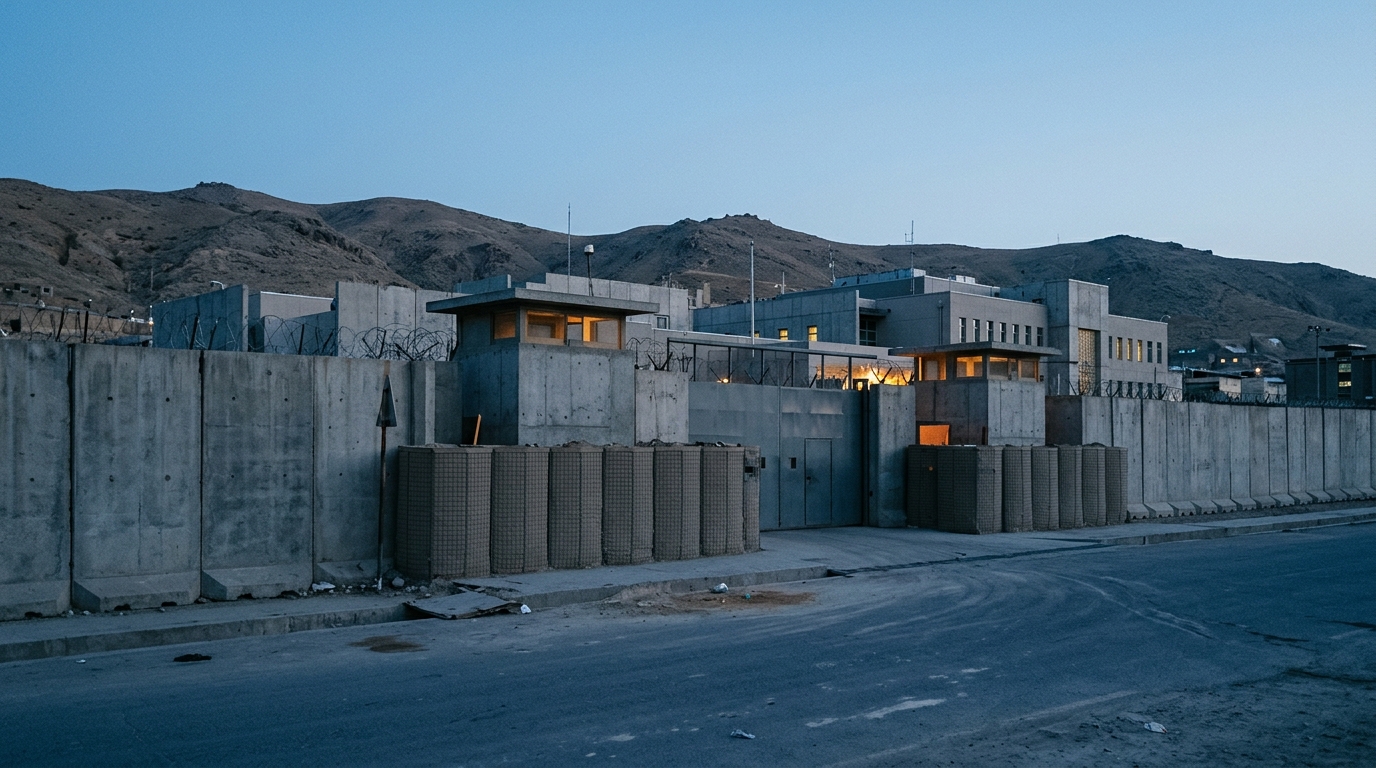
Kabul commemorated this Saturday, August 15, the fifth anniversary of the Taliban regime's return to power in Afghanistan with military parades and street celebrations, according to AP, and a central ceremony in front of the former United States Embassy that El País describes as a celebration of victory over the West.
The anniversary arrives without formal diplomatic recognition. Five years after the US withdrawal, with the exception of Russia, no government recognizes the Islamic Emirate, and former diplomatic missions in Kabul, including that of the United States, remain empty. Relations with Pakistan, once its closest partner, are strained: Islamabad accuses Kabul of supporting Pakistani insurgents, while the Emirate maintains it will not allow anyone to use Afghan soil against another country. The absence of recognition has not, however, halted practical steps toward normalization: according to El País, the regime is pressing for agreements with European countries on the deportation of Afghans and leveraging its geographic position, a crossroads between South Asia, Central Asia, and the Middle East, to close economic deals. The pattern illustrates how the international community manages, in practice, a de facto regime without formal recognition.
In his message for the occasion, Interior Minister Sirajuddin Haqqani attributed the return to power to morality, courage, and divine assistance, and acknowledged the existence of outstanding issues and problems. Deputy Foreign Affairs Spokesperson Zia Ahmad Takal announced commemorative ceremonies in Pakistan, China, Uzbekistan, Iran, Turkey, and Malaysia. Alongside these celebrations, humanitarian organizations maintain their warnings: UNESCO estimates that 2.5 million girls and women have been denied access to secondary and university education since 2021, and UN Women estimates that half of Afghan women leave home once or twice a month. The International Rescue Committee, for its part, puts at 3.5 million the increase in Afghans requiring humanitarian assistance since the regime came to power.
The anniversary offers a clear lesson for international relations: formal recognition and practical normalization proceed on separate tracks. The UN Special Representative for Afghanistan, Georgette Gagnon, warned that sustainable peace and prosperity require more than the absence of conflict, and the ceremonies planned in at least five countries will be the next observable signal of that pattern.
This report was drafted with the assistance of artificial intelligence from verified sources and reviewed by a human editor before publication.