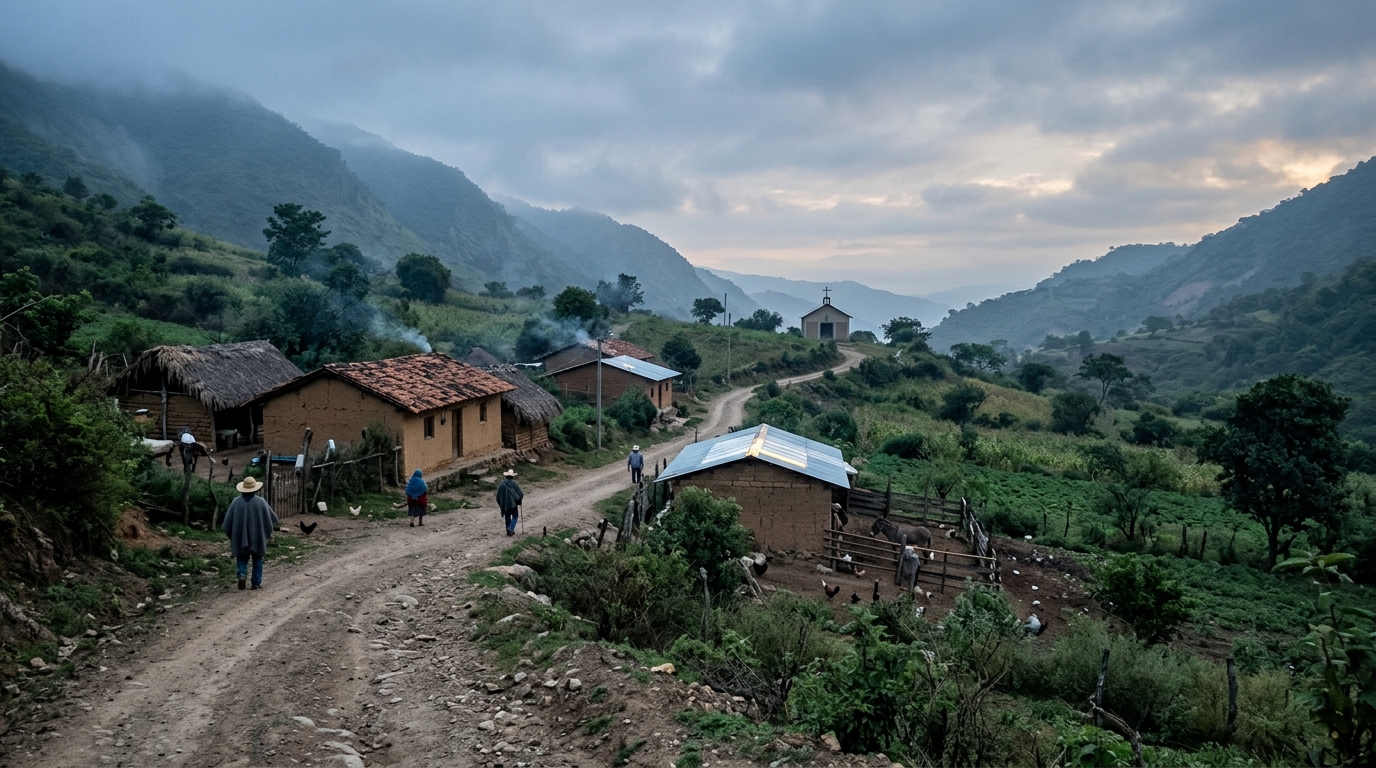
The Master Plan for the Alta and Baja Montaña of Guerrero reports the return of 264 of the 316 families displaced by the violence of May, representing 84 percent. The report was presented this Monday, August 17, in Chilapa, with Interior Secretary Rosa Icela Rodríguez Velázquez and Governor Evelyn Salgado Pineda presiding.
The attacks between May 6 and 11 left 800 people displaced from their homes in Nahua communities of Chilapa, and the response launched with a coordinated plan beginning May 13. The framework operates across 19 communities in four municipalities (Chilapa, Atlixtac, Olinalá, and Zapotitlán Tablas), encompassing 800 actions that benefit more than 22,000 residents, with participation from 19 federal institutions alongside dozens of state government agencies. It is organized around 13 pillars: peacebuilding, security, justice, agriculture, environment, health, culture, education, welfare, infrastructure, connectivity, food, and housing. The model matters for Mexico because it converts the response to violence-induced displacement into a federal-state coordination policy with measurable outcomes.
The Deputy Secretary for Human Rights at the Interior Ministry, Arturo Medina, specified the progress figures: 264 families have already returned and 52 remain pending. On the housing front, Sedatu is processing support for those who lost their homes, and completion of rural road works is slated for this year. The plan establishes targets per pillar and deploys instruments such as the Tianguis del Bienestar, the Ferias de Paz, Jóvenes Construyendo el Futuro, and the Banco del Bienestar, alongside health services and welfare programs in the communities. The Interior Secretary announced she will return with the Agriculture Secretary for the delivery of corn and beans, within the plan's productive agenda. Institutional presence will be permanent, with a command post established in Chilapa.
The immediate goal is to complete the return of the remaining 52 families and sustain the conditions that make that return durable. The Montaña case leaves a monitoring framework that other regions affected by violence-induced displacement can draw on as a public policy reference.
This report was drafted with artificial intelligence assistance from verified sources and reviewed by a human editor before publication.