Iran's government acknowledged on Sunday, August 23, that its economy is experiencing widespread difficulties, in remarks by President Masoud Pezeshkian broadcast by state television, as Washington intensifies sanctions against the country. The acknowledgment coincides with what U.S. President Donald Trump has described as the most severe economic operation ever mounted against any country.
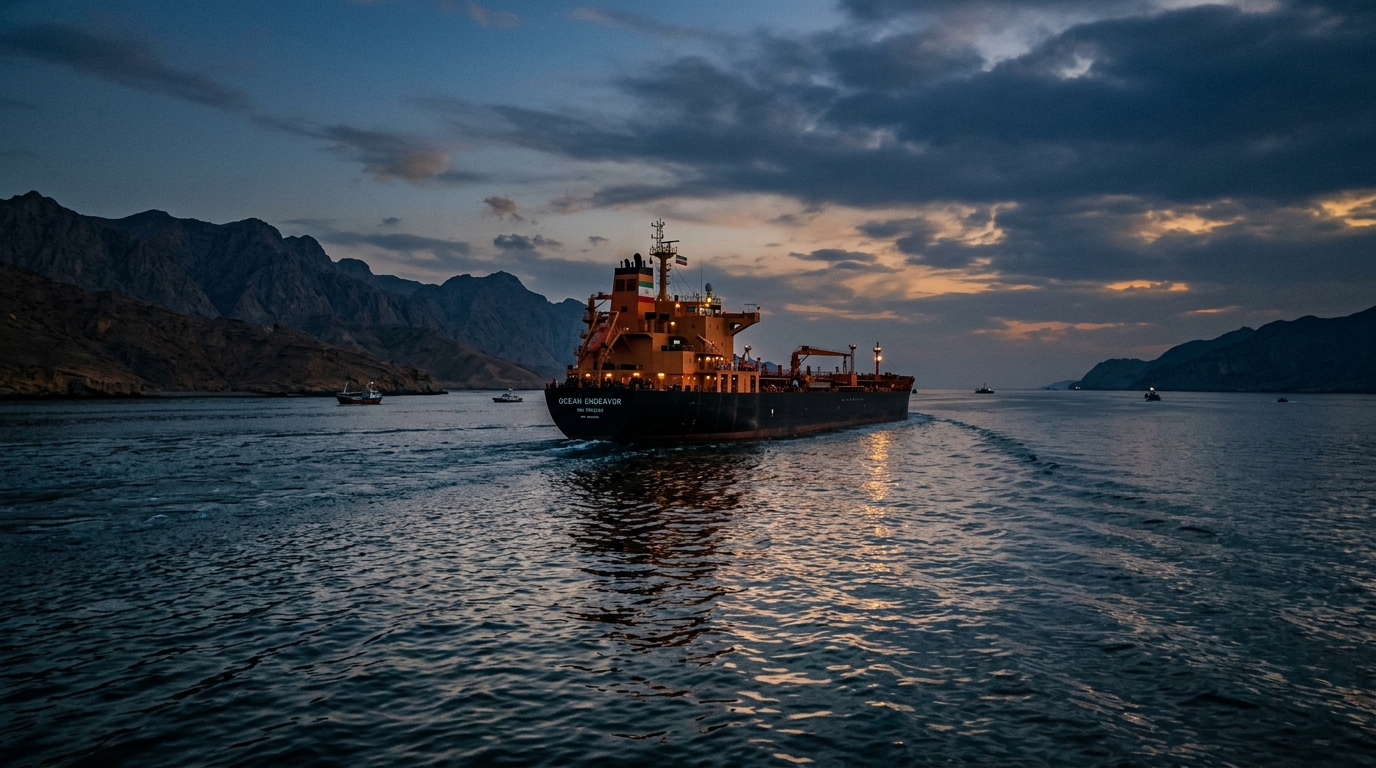
Pezeshkian said Iran is working to overcome inflation, livelihood pressures, and unemployment, and tied that effort to the need to attract investment. The Iranian economy has now accumulated nearly six months of sanctions and a naval blockade of the Strait of Hormuz, through which one-fifth of global oil supplies flowed before the conflict, according to The Guardian's coverage. The pattern that matters most for Mexico and Latin America is a different one: sanctions and tariffs are consolidating as Washington's central foreign policy tool, the same playbook the United States applied this week on its trade front with Canada, a USMCA partner.
The memorandum signed by Trump in June set a 60-day deadline to end the war and reach an agreement on Iran's nuclear program, according to AP. That period concluded last week with no visible progress on reopening the strait. U.S. Treasury Secretary Scott Bessent is expected to announce new punitive measures this week, which he has described as the harshest sanctions ever imposed on Tehran. The United Arab Emirates suspended all commercial and financial exchanges with Iran. Iran's Supreme National Security Council, under its new leader, Mohsen Rezaei, warned it will retaliate against alternative export routes if regional neighbors join the sanctions. In parallel, France and Saudi Arabia are exploring alternative energy routes, and Pakistan announced a visit by its Army chief to Tehran.
Bessent's announcement and Monday's French-Saudi ministerial meeting will define the next move in the contest over strait access, while China's position, having already questioned the sanctions, will determine the measure's reach. For Mexico, the underlying reality is that Washington's economic pressure makes no distinction between adversaries and trading partners.
This article was written with artificial intelligence assistance from verified sources and reviewed by a human editor before publication.