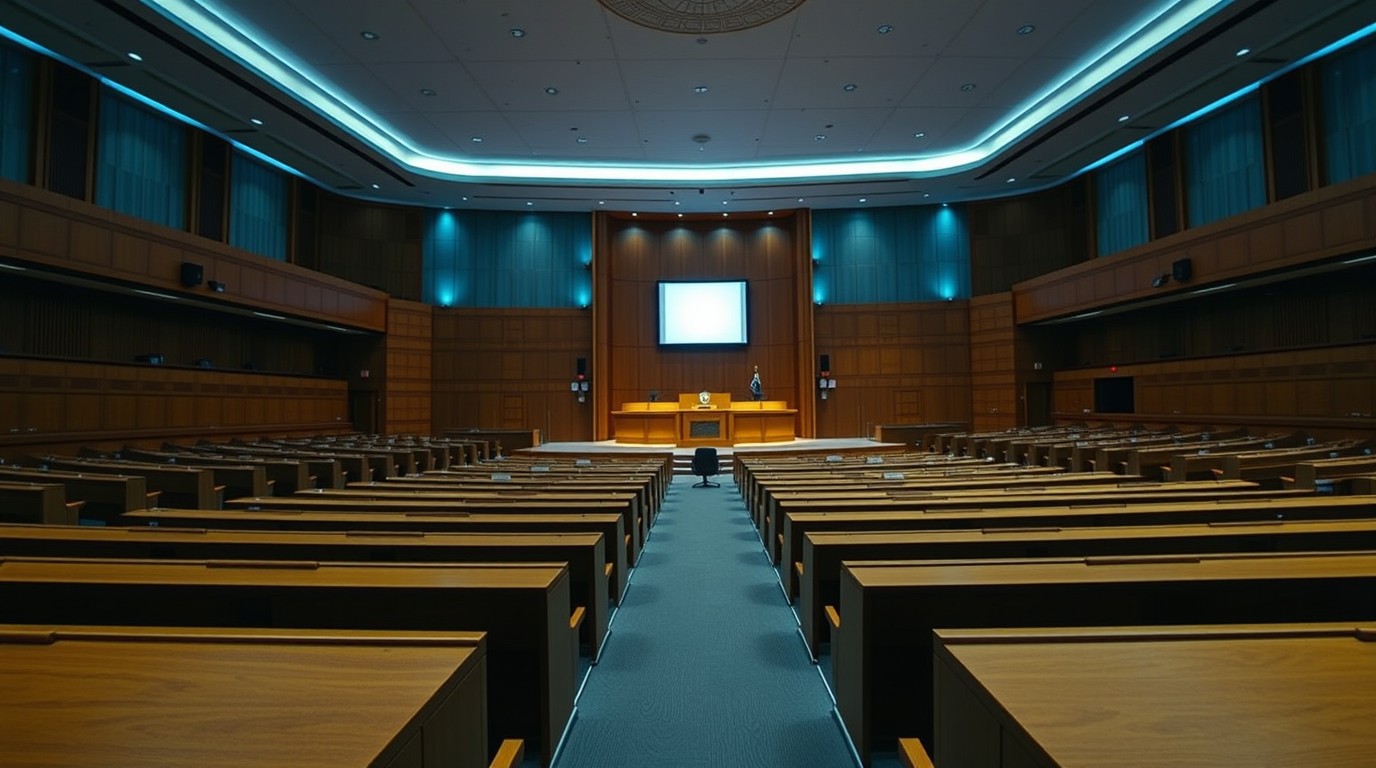
The Chamber of Deputies approved on October 21, 2026, with 312 votes in favor and 119 against, the reform to the Federal Criminal Code and the Federal Law for the Protection of Industrial Property, and sent the bill to the federal Executive for publication in the Official Gazette of the Federation.
In the vote on the specific articles, the bill received 281 votes in favor and 87 against, after the full chamber rejected the 177 reservations submitted by 88 legislators, according to El Universal. The reform reshapes the criminal framework under which companies, trademark holders and creators operate in Mexico, and the ruling party presented it as an update to align the legislation with international trade commitments. For the Mexican ecosystem, the central point is that it redefines which conduct related to trademarks, works and official documents reaches the criminal track and by what standard its severity is measured.
The bill replaces the "intent to profit" test with a "commercial scale" test, which considers the gain, a competitive advantage or the impact on the rights holder's market position, according to Aristegui Noticias. The new Article 403 Bis punishes with one to five years in prison and fines of 1,000 to 10,000 UMA the use of institutional graphic identity at commercial scale to mislead and commit a crime, according to Infobae. The reform also provides for up to 10 years in prison for disclosing films, books or phonograms before their release and sets damages at no less than 40% of the product's sale price.
Julio César Moreno, chair of the Justice Committee, maintained that the reform does not seek to ban memes, criticism of the government or political satire, and that its aim is to curb the cloning of government pages. The PAN, PRI and Movimiento Ciudadano legislators who voted against warned that the wording of the article allows parody and political criticism to be punished; PRI's Rubén Moreira offered to vote unanimously if four lines protecting freedom of expression were added, a proposal that did not succeed.
With the bill now in the hands of the Executive, the next milestone is publication in the Official Gazette of the Federation, which marks the start of its entry into force. The first complaints classified under the commercial-scale test and the use of Article 403 Bis will be the signal for observing how the framework is applied in courts and on digital platforms.
This article was written with the assistance of artificial intelligence from verified sources and reviewed by a human editor before publication.