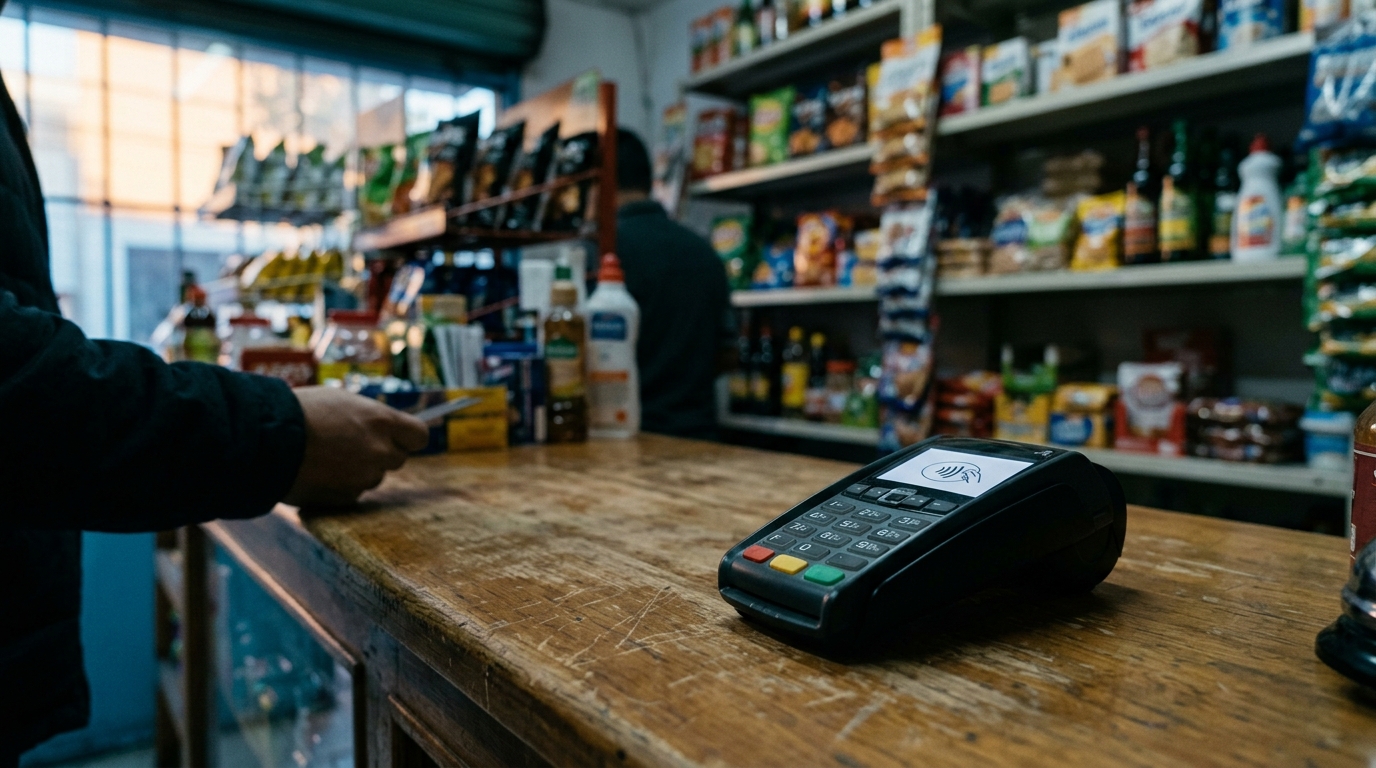
On September 10, 2026, President Claudia Sheinbaum sent the initiative for the Digital Economy Law for Digital and Electronic Payments to the Chamber of Deputies, within the 2027 Economic Package, to reduce the circulation of cash. The proposal arrives with the backing of the banking sector and with an open question about the infrastructure available outside state capitals.
The project establishes that, within 15 business days following the entry into force of the decree, the Ministry of Finance and Public Credit (Secretaría de Hacienda y Crédito Público) will determine the strategic sectors and activities in which only digital and electronic payments will be accepted. Since the March 2026 Banking Convention, the government has proposed making digital payment mandatory at gas stations and toll booths during this year. El CEO reports that specialists in the financial sector identify connectivity and commission costs as the main points to be resolved, above all in the south of the country. In Mexico, around 85% of payments are made in cash, down from 95% in previous years.
James Salazar, deputy director of economic analysis at Kapital, told El CEO that the measure contributes traceability in the medium term, while in the short term challenges persist around investment in connectivity and friction with customers who cannot pay digitally. Guillermo Guzmán, director of the investment academy Trading Advisor, agreed that the transition requires connectivity, technology and reasonable fees on card payments and point-of-sale terminals. El Financiero details that the initiative recognizes the CURP Digital as a trust mechanism for the remote contracting of financial services and promotes the use of QR codes and NFC devices. Arturo Luna, vice president of payments at FinTech México, noted that the goal is for digital payments to reach 50% of private consumption spending by 2030.
With the initiative now in Congress, the next milestone is the list of strategic sectors that Hacienda publishes within the 15 business days following the decree. That timetable and the 50% goal for 2030 set the path of the transition.
This article was written with the assistance of artificial intelligence based on verified sources and reviewed by a human editor before publication.