On August 11, 2026, immigration attorney Arturo Vázquez reported that 94 residents of Ciudad Juárez had their U.S. tourist visas revoked for having given birth in the United States, according to El Heraldo de México. That figure reflects only those who visited his office in a single day, Vázquez confirmed, and the outlet noted that the total number of those affected may be higher.
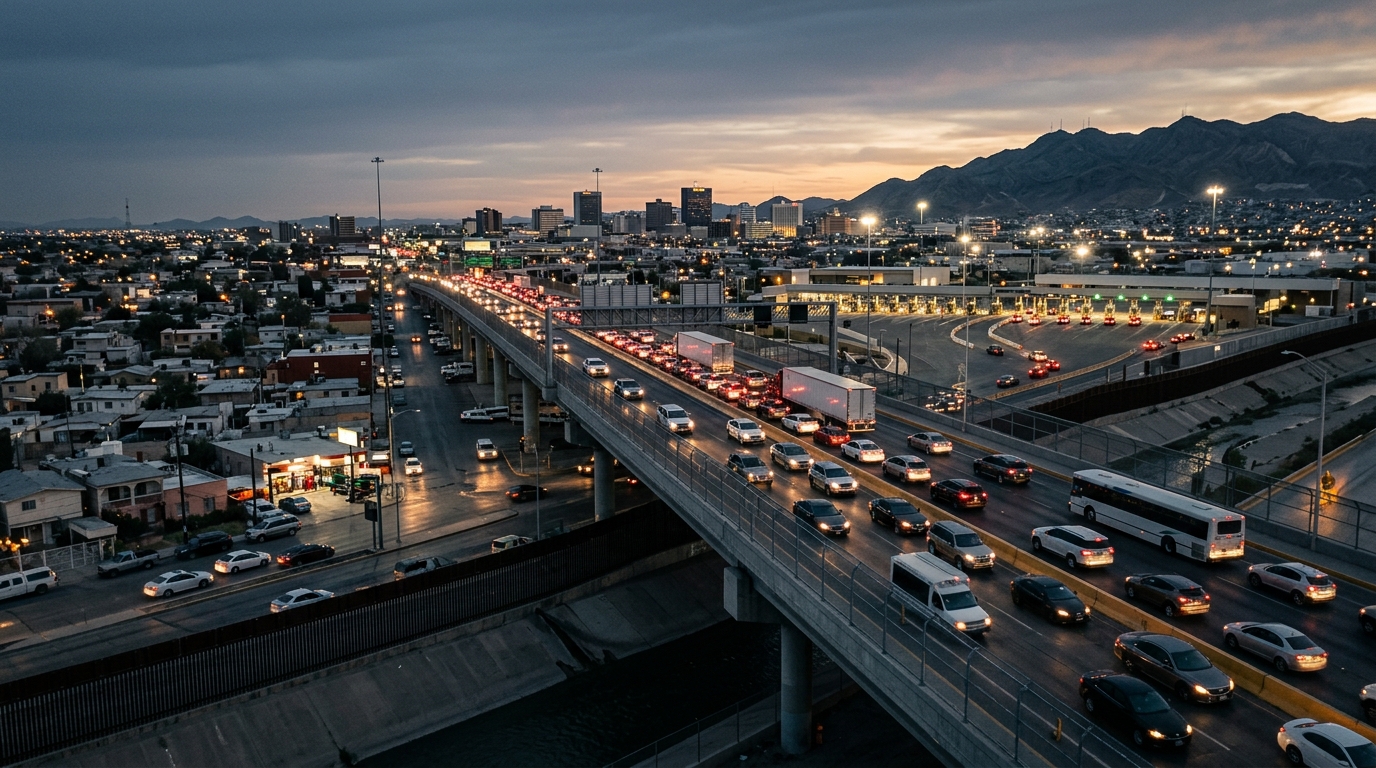
The revocations stem from enforcement of the U.S. executive order targeting what authorities call "birth tourism." El Universal reported on August 5 that the United States has ramped up tourist visa cancellations for mothers whose children were born on U.S. soil, classifying those mothers as "public charges." In Ciudad Juárez, crossing lines toward El Paso, Texas, have thinned in recent days. The drop in traffic, reported by El Universal, tracks with widespread fear that crossing the bridge will trigger visa cancellation. For a binational city whose daily rhythms depend on cross-border mobility, the policy is reshaping the routines of thousands and placing border crossing management at the top of the local agenda.
Vázquez confirmed to El Heraldo de México that visas were revoked on grounds of "document misuse" and that he is offering free legal counsel to affected mothers. In Tijuana, immigration attorneys reported at least 90 cancellations in recent days, with a comparable thinning of crossing lines. Both figures come from local attorneys' reports and do not capture the full number of those affected. One woman recounted in the Reporte de Puentes group that her document was revoked at the Puente Libre crossing after a five-hour wait, despite having paid for her deliveries at Hospital Las Palmas. The ACLU, the American civil liberties organization, is preparing a lawsuit asking a federal judge to review the executive order and, if warranted, restore revoked visas without requiring reapplication or payment.
Vázquez urged affected individuals not to cross the border for a couple of months while the case progresses. The ACLU lawsuit keeps open the avenue for judicial review, and its outcome will be the next focal point for families along the northern border.
This article was drafted with artificial intelligence assistance from verified sources and reviewed by a human editor before publication.