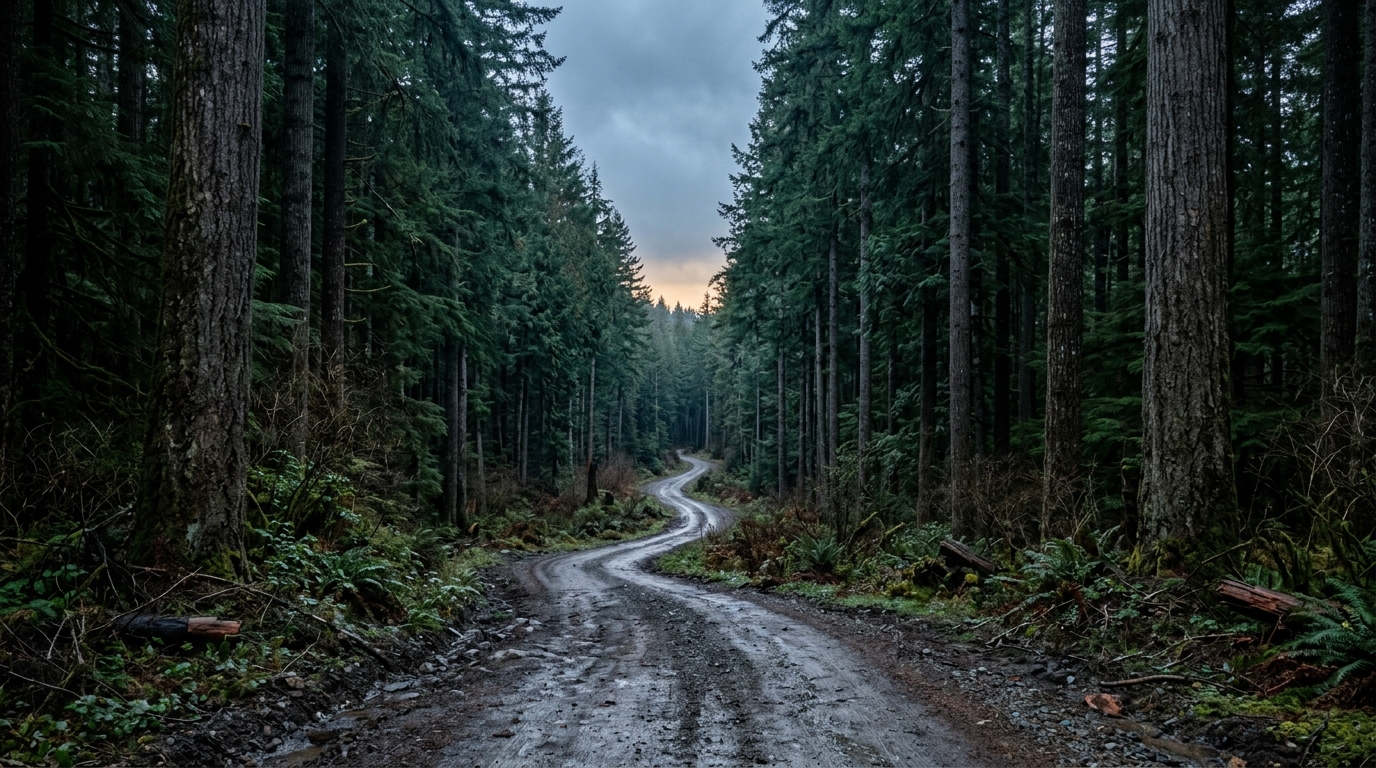
The U.S. Department of Agriculture proposed on August 18 to rescind the Roadless Area Conservation Rule, the 2001 regulation that keeps national forests free of roads and commercial logging. A report from the Center for Biological Diversity warns that the move puts more than 400 species at risk, from the grizzly bear to the Pacific salmon.
Agriculture Secretary Brooke Rollins argued that the restrictions have kept millions of acres from receiving treatments that improve forest health, according to The Guardian. The Forest Service's draft environmental impact assessment, cited by UPI, acknowledges that fire frequency is significantly lower in roadless areas than in the rest of national forests. For Mexico and Central America's forest conservation frameworks, the case poses a structural dilemma: protected roadless zones concentrate habitat and water benefits, and opening them to exploitation requires weighing those benefits against economic uses.
The Agriculture Department's proposal opens more than 45 million acres of national forest to roads, drilling, and logging, and affects 7.4 million acres of endangered species habitat and nearly 1,800 miles of protected rivers and streams. The technical record shows that deferred maintenance for roads and bridges reached $6.9 billion in 2024, and studies cited in the analysis indicate that nearly 80% of human-caused fires in national forests start within 800 meters of a road. In the Southwest, roughly 10 million acres are at risk, including habitat for the Mexican gray wolf, the jaguar, and the Mexican spotted owl. In Alaska, the Tongass National Forest, which produces more wild salmon than any other forest in the country, accounts for another of the largest impacts.
The public comment period on the proposal closes September 21, and litigation is already taking shape. The rule has withstood legal challenges since its adoption in 2001, and courts have held that reversing a long-standing policy requires evidence supporting the change. The resolution of that date will set the precedent for North America's public forests.
This article was drafted with artificial intelligence assistance from verified sources and reviewed by a human editor before publication.