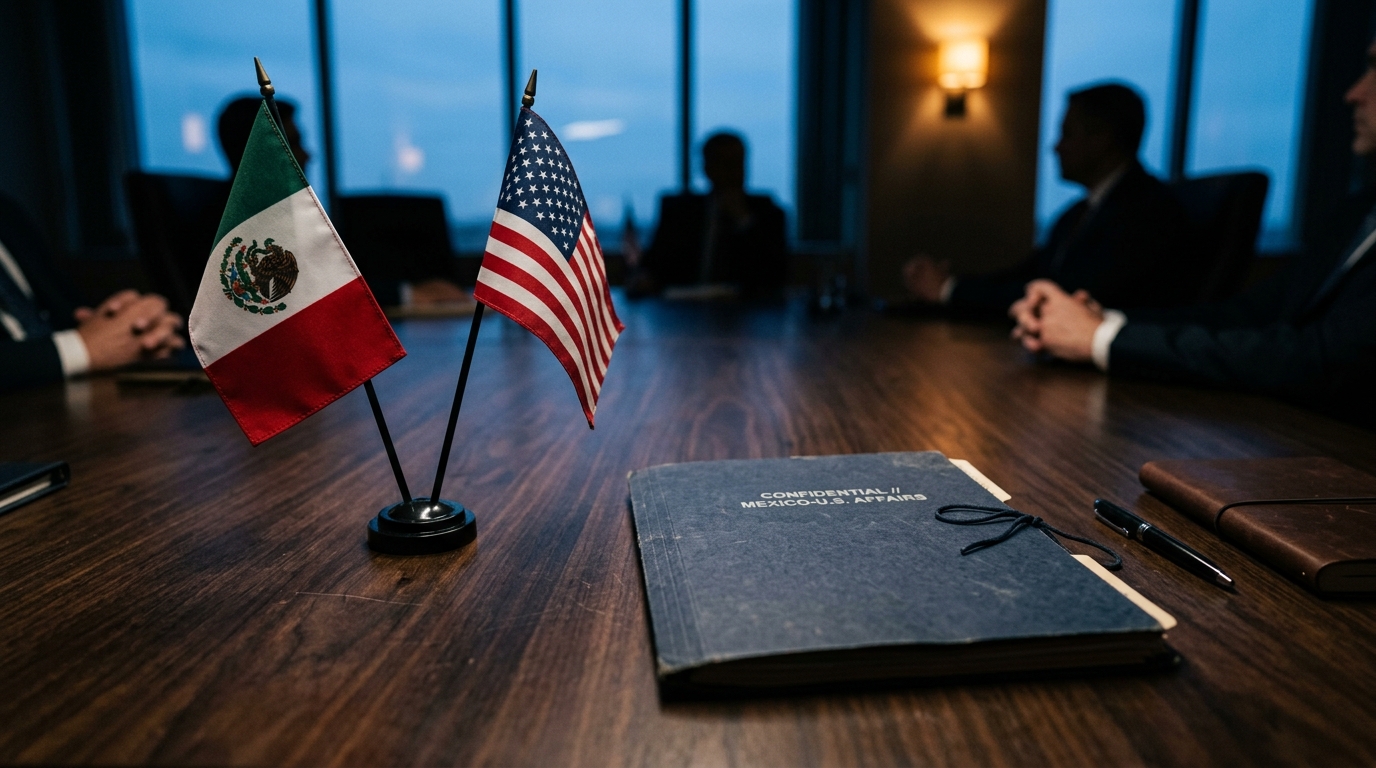
U.S. President Donald Trump stated on Friday, August 21, 2026, that his administration had already begun work on a new trade agreement with Mexico, running in parallel with the USMCA review. "We are also beginning a new deal with Mexico. A much better deal for the United States. I only make good deals," he declared, without specifying timelines or the scope of the potential agreement.
The announcement comes after the U.S. administration decided not to extend the USMCA for a full 16-year period, opening the door to annual reviews of the agreement through 2036, according to El Financiero. The third bilateral round between Mexico and the United States concluded in July with progress on rules of origin, steel, aluminum, the automotive sector, and economic security, and the next round is scheduled for the first week of September. For Mexico, a bilateral negotiation running in parallel with the trilateral mechanism redefines the framework within which tariffs on its exports will be resolved before the treaty's formal review concludes.
Marcelo Ebrard, Secretary of Economy and Mexico's chief negotiator, responded the same day that the country is "close to substantive agreements" with Washington, speaking at the inauguration of InnovaFest Querétaro 2026. The official declined to set a date and said Mexico expects results comparable to those being negotiated with Canada, though it will first review the definitive terms of the potential bilateral agreement between the United States and Canada. Among the issues Mexico has raised are Section 232 measures on steel and aluminum and those applied to the automotive sector. According to Bloomberg Línea, Washington postponed on Wednesday 50% tariffs on Canadian products by three days, and preliminary advances with Canada are pressuring Mexican negotiators to secure similar relief on tariffs affecting their exports.
The next bilateral round is scheduled for the first week of September, and Ebrard indicated he would offer details as talks progress. That meeting will be the first instance in which it becomes clear whether the U.S. announcement translates into a new negotiating framework for Mexico.
This article was drafted with the assistance of artificial intelligence from verified sources and reviewed by a human editor before publication.