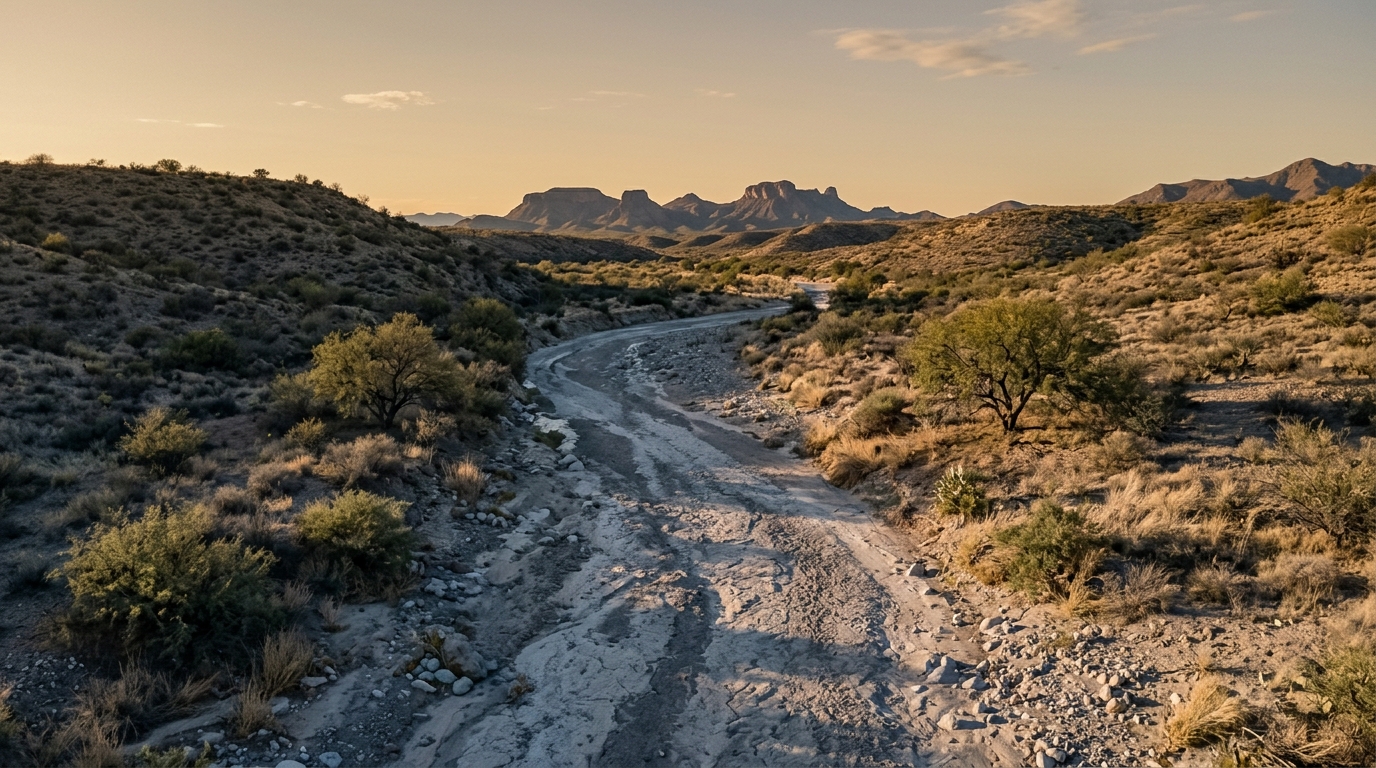
On August 12, 2026, the Sonora state government and the federal government announced the launch of the remediation program for the Río Sonora basin, with a budget of 654 million pesos, according to Excélsior. This marks the first intervention of this scale since the 2014 spill at the Buenavista del Cobre mine, which affected eight municipalities.
The spill occurred on August 6, 2014, when more than 40 million liters of acidulated copper solution and heavy metals were discharged from the Buenavista del Cobre mine, owned by Grupo México, according to El Universal. The contaminants traveled 190 kilometers along the Río Sonora and were contained at the El Molinito dam, the main water supply source for thousands of Hermosillo residents. The incident affected more than 22,000 people and caused losses across agricultural, livestock, and commercial activities. The new remediation phase responds to a commitment issued in December 2024 to provide the basin with a program with defined timelines, resources, and responsible parties.
The program will unfold in three stages:
- Diagnosis and characterization of affected areas, through technical studies and sampling to identify the highest-risk points.
- Management, removal, treatment, and disposal of potentially contaminated soils and sediments.
- Environmental surveillance and monitoring of intervened areas to verify remediation effectiveness.
Field work will begin in September 2026, with the first phase concluding by year-end. The preliminary diagnosis involved 64 soil, sediment, and water samples taken at the El Molinito and Abelardo L. Rodríguez dams, and more than 5,000 historical samples will be reviewed. Environment Secretary Alicia Bárcena confirmed that the resources are available. The program, framed within the Plan de Justicia para Cananea, also includes the construction of a hospital and clean water supply infrastructure.
The next milestone is the start of field work in September and the close of the first phase by the end of 2026, when the results of the highest-risk zone characterization will be known. The program includes periodic dialogue sessions with communities to report on progress.
This article was written with artificial intelligence assistance from verified sources and reviewed by a human editor before publication.