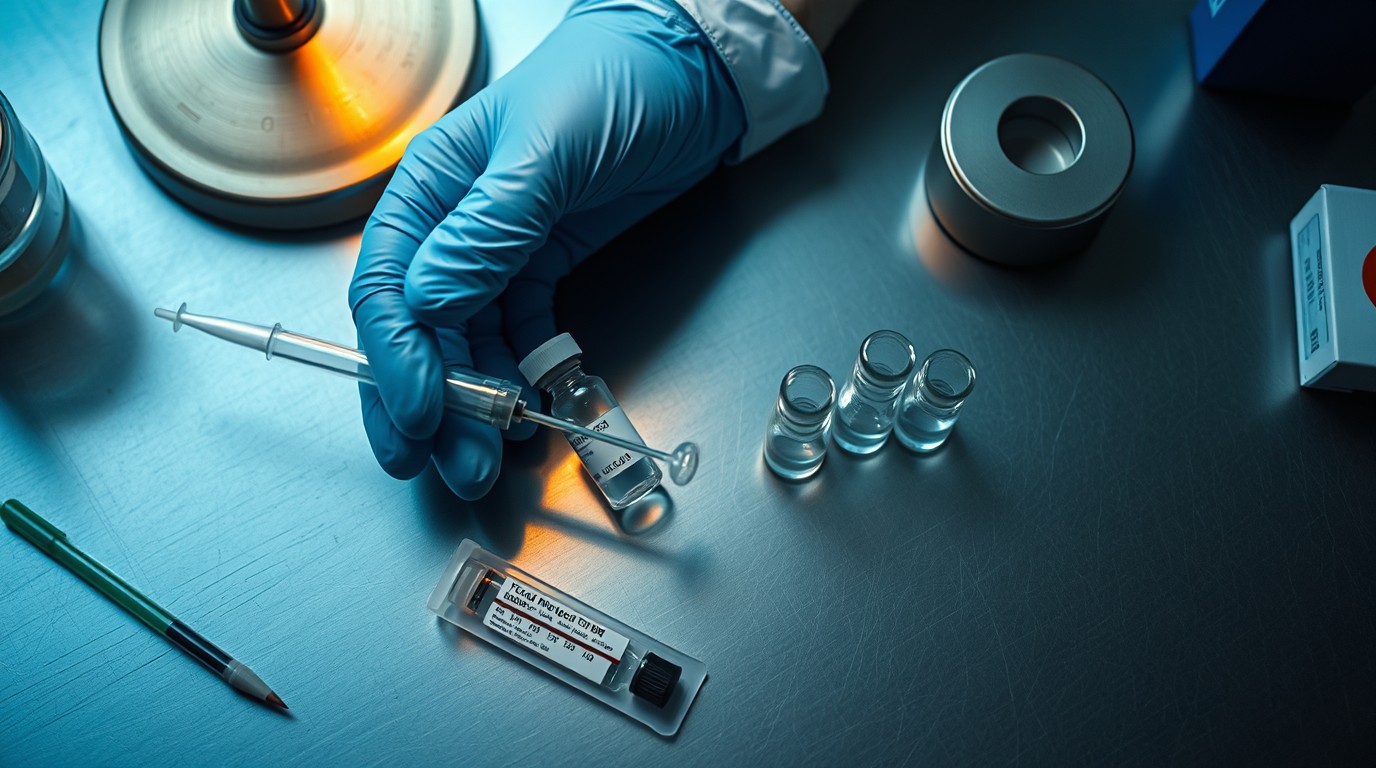
Programa Compañeros A.C. tests drug and consumption paraphernalia samples in Ciudad Juárez to identify fentanyl and other adulterants, and since February 2026 it has not detected that substance in the samples users bring in, David Montelongo García, the organization's project coordinator, told El Universal.
The program is about a year old and emerged after overdose cases and reports of drugs mixed with fentanyl in the city. Its question is one of public health: what is in what people consume. That local data point contrasts with the picture documented by a study from the Instituto Nacional de Psiquiatría Ramón de la Fuente Muñiz, conducted with Programa Compañeros, Verter and Prevencasa and reported by La Jornada: in 4,411 residue samples collected at drug-use sites in five border cities, 60% contained fentanyl. For Mexico, the difference between seized drugs and collected residue matters because the latter measures exposure, not secured volume.
The testing uses two methods. First, reactive strips similar to those used in drug tests, applied to syringes, pipes, cotton, cans, spoons and wrappers. Then, infrared spectroscopy on the substance, which yields its predominant composition. Each person is told three things: whether the sample matches the expected substance, whether it contains adulterants, and what its composition is, within a harm-reduction consultation. The service is free and funded with private resources. Montelongo specified that, across the entire universe analyzed, he has found fentanyl in five or six samples, all in heroin paraphernalia, and that two pill samples came from strategic allies, not from the community. He warned that this does not mean the substance is not circulating in the city. The program serves people with active use and also receives samples from those who come because the effects lead them to suspect the drug is different. Results are shared with the Secretaría de Salud and with binational authorities.
With a year of operation, the program is beginning to build a series different from the one produced by seizures: the series of what people actually consume. The point to watch is whether those reports, which already reach the Secretaría de Salud and binational authorities, translate into health alerts for a city where consumption happens every day.
This article was written with the assistance of artificial intelligence from verified sources and reviewed by a human editor before publication.