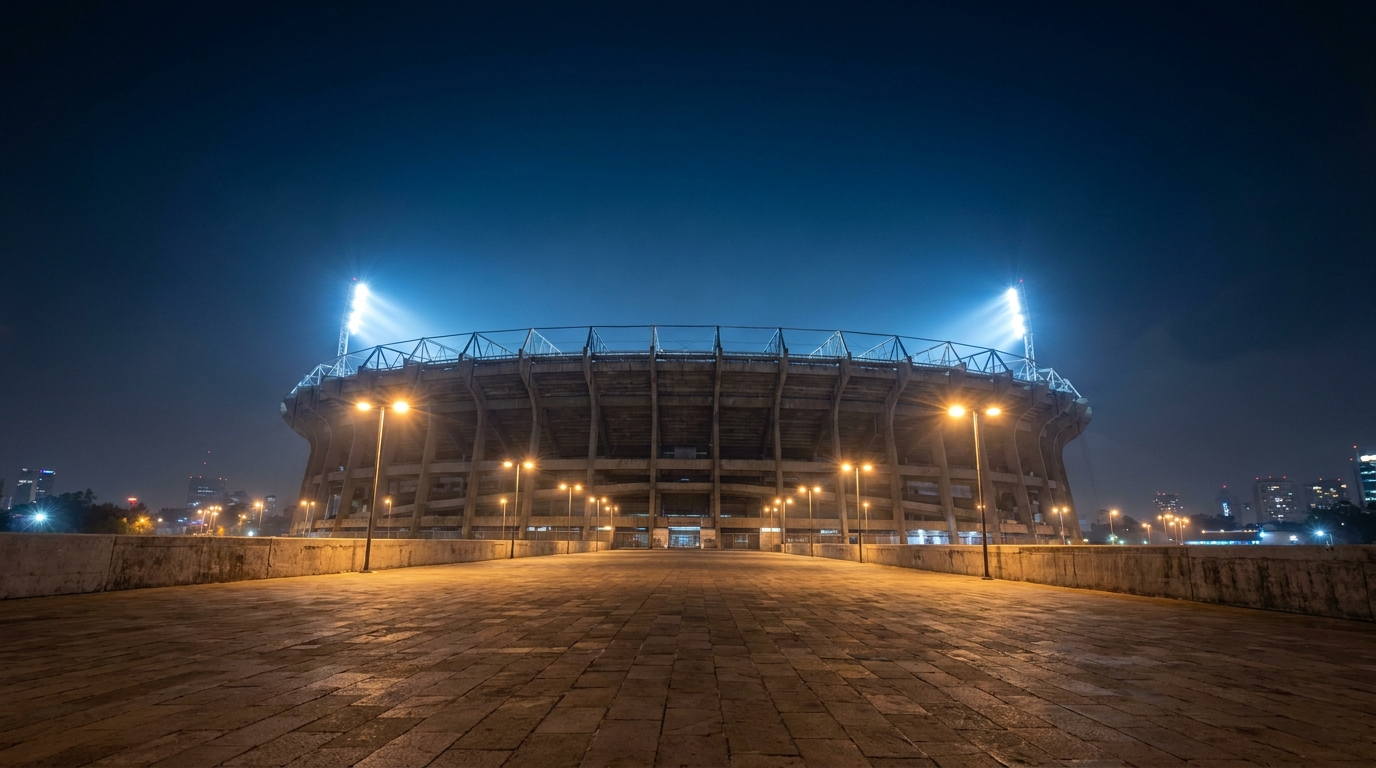
Mexico opened the 2026 World Cup with a 2-0 victory over South Africa on June 11 at Estadio Azteca, before 80,824 spectators. The win launches three weeks of global exposure with measurable impact on tourism, foreign exchange, infrastructure, and urban services across Mexico's three host cities.
According to [PBS NewsHour](https://www.pbs.org/newshour/world/mexico-hosts-south-africa-in-opening-match-as-world-cup-begins), goals from Julián Quiñones in the ninth minute and Raúl Jiménez in the 66th set the tone of the match. Jiménez reached 46 international goals, his first across three World Cups. The opening ceremony featured Shakira, Burna Boy, Andrea Bocelli, and J Balvin. Three red cards, two against South Africa and one against César Montes in stoppage time, gave the match the character of a tournament debuting a new format with 48 national teams spread across three host countries.
The tournament allocates thirteen of its 104 matches to Mexico, split between five in CDMX, four in Guadalajara, and four in Monterrey, according to [Infobae](https://www.infobae.com/mexico/deportes/2026/05/10/las-tres-sedes-mexicanas-del-mundial-2026-estadios-capacidad-y-partidos-en-cdmx-monterrey-y-guadalajara/). The federal government has committed 1,500 million pesos to infrastructure and mobility works across the three host states. Mexico's official projection totals 5.5 million visitors and an economic impact of close to 60 billion pesos. Natixis CIB's macro analysis caps the effect at between 0.1% and 0.2% of GDP in 2026. FIFA estimates an aggregate impact of 40 billion dollars for the three hosts and 6.5 million attendees over the course of the tournament.
Mexico plays South Korea on June 19 at Estadio Akron in Guadalajara, and faces the Czech Republic on the 24th in CDMX. Under the 48-team format, the national side needs six points to secure passage to the round of sixteen as group leaders.
The signal for the country goes beyond sport: the World Cup operation projects logistical capacity, connectivity, and urban services to a global audience of billions of television viewers. Each host city is sharpening its urban model ahead of the July 19 final in New Jersey, and the coming matches will put mobility plans and security operations to the test.
Fuentes:
- https://www.pbs.org/newshour/world/mexico-hosts-south-africa-in-opening-match-as-world-cup-begins
- https://www.infobae.com/mexico/deportes/2026/05/10/las-tres-sedes-mexicanas-del-mundial-2026-estadios-capacidad-y-partidos-en-cdmx-monterrey-y-guadalajara/