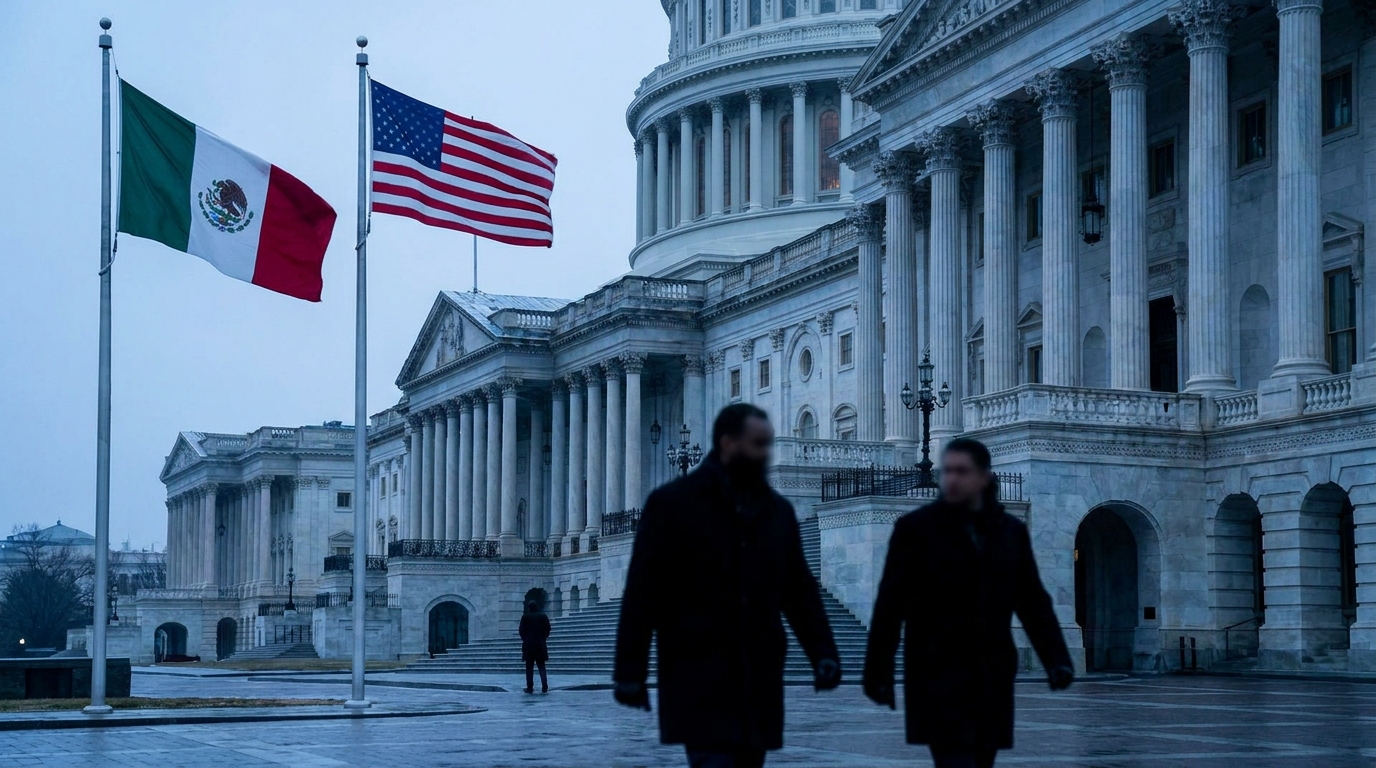
The second dialogue session between Mexico and the United States on the USMCA review opens on June 16 in Washington, with an agenda that extended to nearly the full week. The decision signals that both delegations want to close outstanding issues before the formal review process begins on July 1, the date set by the treaty's own six-year calendar.
According to [Infobae](https://www.infobae.com/mexico/2026/06/12/a-mexico-eeuu-y-canada-les-conviene-mantener-el-t-mec-insiste-sheinbaum-ante-tension-por-amenzas-de-trump/), President Claudia Sheinbaum maintained that keeping the treaty serves all three economies and reiterated her intention to extend it for sixteen more years. For Mexico and North America, the negotiation sets the floor for rules of origin in the automotive sector, non-automotive manufacturing, digital services, and the IMMEX model that underpins a substantial share of the export apparatus. The forward-looking assessment is clear: the government is betting on locking in the agreement in its current form before electoral pressures in the United States intensify in 2027.
The Mexican delegation is led by Economy Secretary Marcelo Ebrard, joined by Altagracia Gómez, coordinator of the Business Advisory Council, and by the incoming ambassador to Washington, Roberto Lazzeri, who was presented to President Sheinbaum's office the previous week. According to [SDP Noticias](https://www.sdpnoticias.com/mexico/marcelo-ebrard-adelanta-segunda-ronda-de-negociaciones-del-t-mec-con-estados-unidos/), the agenda was expanded to June 16, 17, and 18, with a third session expected during the week of July 20 in Mexico City to resolve outstanding items. In the preceding months, internal consultations across all three countries gathered positions from industry chambers, trade unions, and exporters on IMMEX, rules of origin, and labor enforcement.
The calendar includes the formal review on July 1, the date by which each government must declare its position on the extension. Washington's timelines, the Canadian position, and the adjustment of automotive rules of origin will be the factors that set the investment climate for the second half of the year, and therefore for the pace of nearshoring the industry expects.
Fuentes:
- https://www.infobae.com/mexico/2026/06/12/a-mexico-eeuu-y-canada-les-conviene-mantener-el-t-mec-insiste-sheinbaum-ante-tension-por-amenzas-de-trump/
- https://www.sdpnoticias.com/mexico/marcelo-ebrard-adelanta-segunda-ronda-de-negociaciones-del-t-mec-con-estados-unidos/