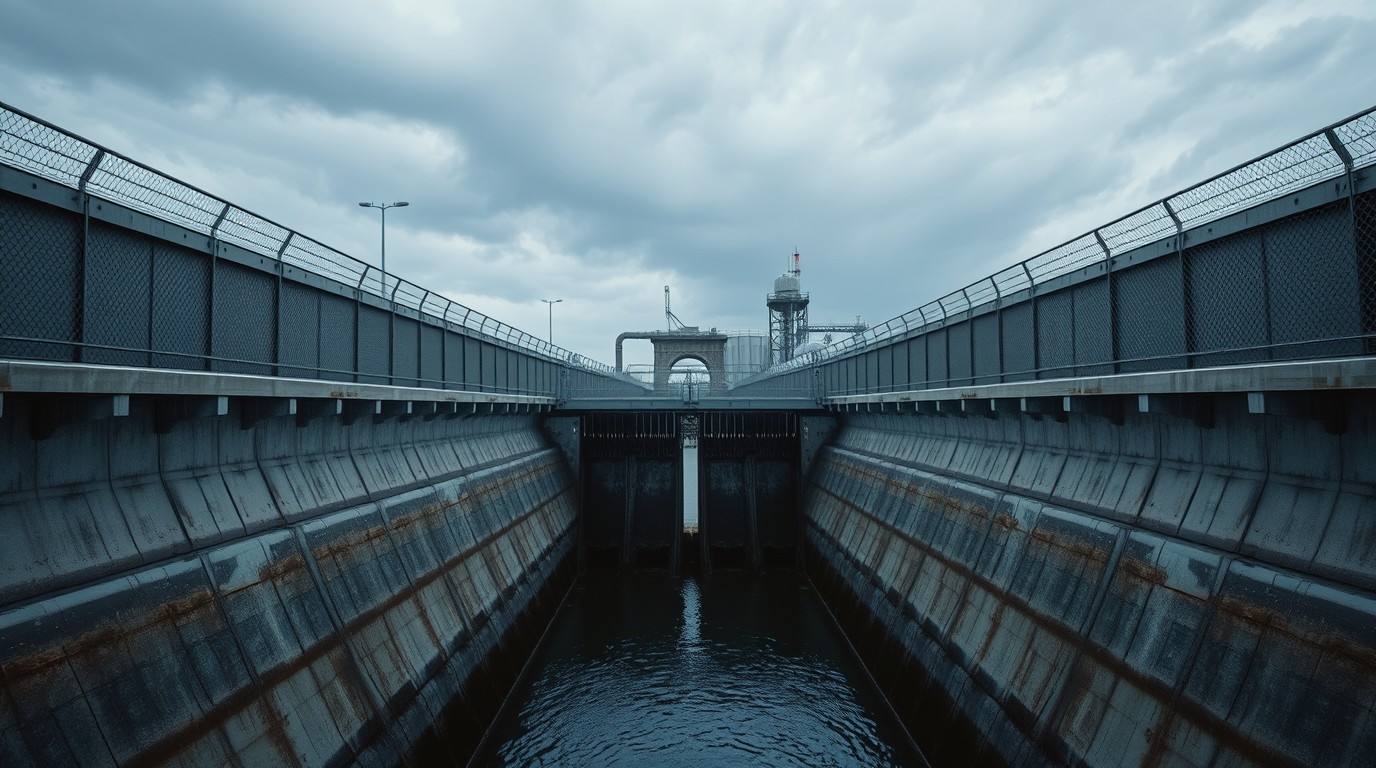
The Sistema Intermunicipal de Agua Potable y Alcantarillado (SIAPA) began rationing on October 15, 2026 in 627 neighborhoods of Guadalajara and its metropolitan area, after closing the Las Pintas dam due to contamination. The measure cuts 2.3 cubic meters per second, 19% of supply, and directly affects some 944,000 people, according to El País.
More than 60% of the metropolitan area's water comes from Lake Chapala, and the so-called old system, an open-air aqueduct that passes through Las Pintas, carries close to 20% of urban consumption, according to El Universal. The state government closed the gates on October 7, after thousands of households reported cloudy water with a sewage smell since January. The Miravalle treatment plant, which receives that flow, dates from 1956. The case illustrates the strain on water infrastructure that has been in use for decades in one of Mexico's largest metropolitan areas.
Water researcher Juan Pablo Macías documented fecal coliforms, heavy metals, manganese, iron, aluminum and ammoniacal nitrogen in the Las Pintas canal between 2013 and 2026, according to El Universal. The rationing reaches 45% of the city's population, with two or three days without water per week, and will last at least six months. Planned works include expanding Miravalle and a bypass so that water reaches the plant without passing through the canal and the dam. Professor José Arturo Gleason, of the University of Guadalajara, counts 8,500 kilometers of networks and 162 storage and re-pumping tanks; he also estimates that 777 million cubic meters fall on the basin each year and that 60% goes into the drains.
The start of the scheme coincides with the forecast of intense rains in Jalisco from Tropical Storm Trudy, reported by Milenio on October 18.
The first stage of the plan runs through March 2027. The Chapala-Guadalajara replacement aqueduct, the underlying project, has remained pending for nearly a decade, according to El País.
This article was written with the assistance of artificial intelligence from verified sources and reviewed by a human editor before publication.