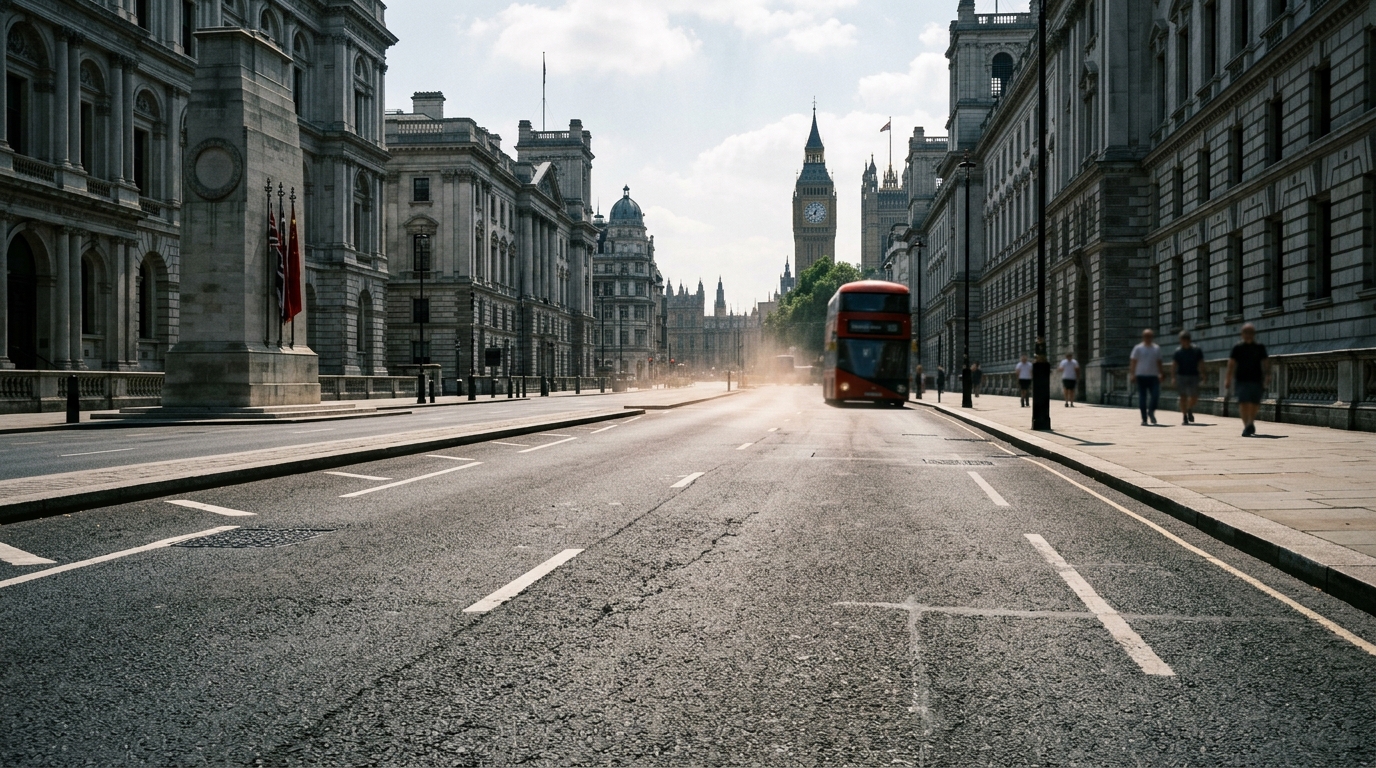
The United Kingdom's Office for National Statistics (ONS) published on August 26, 2026 that more than 40,000 excess deaths occurred in England on the hottest days since 1988, as reported by The Guardian. The count does not include the summer of 2026, which is on track to become the deadliest heat season on record.
The ONS report shows that the gap between cold- and heat-related deaths has narrowed: between 1988 and 2025, England recorded 139,000 deaths associated with the coldest days, but in the most recently counted year, heat deaths in England and Wales (2,805) outnumbered cold deaths (2,244). The Guardian report adds that the WHO calculated in May a rise of more than 30% in heat mortality across Europe over two decades. Against that backdrop, a statistical series spanning nearly forty years becomes a key surveillance benchmark for Latin American countries exposed to intense heat waves.
London recorded the highest number of deaths attributable to peak temperatures, according to the report, which also identifies the capital as the highest-risk zone: mortality there reaches three times the rate at the optimal temperature once the thermometer exceeds 29 degrees. The UK Health Security Agency estimated on July 30 that the May and June heat waves alone caused 2,877 deaths, nearly double the total for the entire summer of 2025, while English hospital emergency departments treated nearly 2.5 million patients per month between May and July. Nearly all regions of England and Wales saw a 50% increase in the risk of death when temperatures exceeded 24 degrees. The ONS notes that its estimates use a statistical model adjusted for humidity, wind, and air pollution.
The report's next update will incorporate the current summer. The report also notes that the super El Niño system forming in the Pacific will intensify heat in 2027, and that heat mortality will continue to rise as temperatures climb and populations age.
This article was written with artificial intelligence assistance drawing on verified sources and reviewed by a human editor before publication.