Mexico's Economy Secretary, Marcelo Ebrard, said on August 12 that the "excess capacity" criterion the United States is using to prepare tariffs against 16 economies, including Mexico, is legally questionable. "The volume a country can produce does not by itself demonstrate the existence of an unfair trade practice," he argued, citing natural gas as his example.
The position is part of an investigation the Office of the United States Trade Representative (USTR) is conducting into whether the productive overcapacity of its trading partners harms U.S. companies and workers, as reported by Expansión. The inquiry has two tracks: one on forced labor and another focused on excess capacity, the latter covering 16 economies. Ebrard explained that Mexico has already submitted its arguments within the proceeding and contests the notion that a trade deficit can be attributed to the installed capacity of the selling country, since purchases depend on price and quality. The decision, he added, does not rest with Mexico alone: as he told El Universal, the timeline is set by Washington's parallel negotiations with other countries.
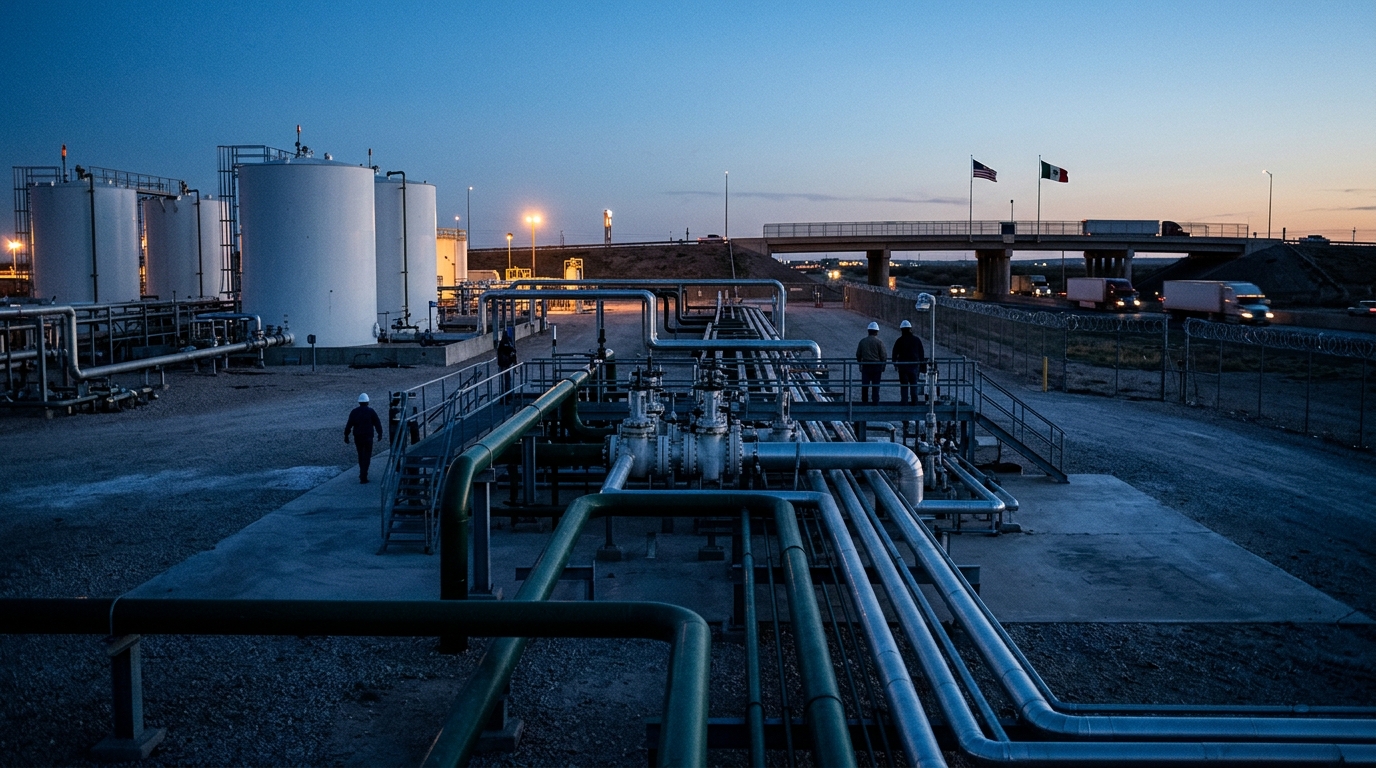
Mexico's central argument is that productive scale does not equal unfair practice. Ebrard cited natural gas as his example: the United States produces at large scale and yet is the supplier that offers Mexico the energy commodity at the lowest price, because its volume allows it to sell more cheaply. For the Mexican government, that logic applies to all goods: what matters is price, quality, and the importer's advantages, not solely the seller's installed capacity. According to the official, the determination will be known this month, in line with the legal timelines of the proceeding, and Washington's delay reflects the number of countries involved. Mexico also maintains objections over Section 232 tariffs on vehicles, steel, and aluminum: in the case of steel, Mexican exports to the United States declined while purchases from Asia increased.
The discussion is taking place as both parties prepare for the next USMCA round, scheduled for the first days of September, with rules of origin, economic security, and semiconductors among the priorities. The Section 301 ruling, which Ebrard anticipates this month, will be known weeks before that round and will deliver the first signal on the excess-capacity criterion.
This article was written with artificial intelligence assistance based on verified sources and reviewed by a human editor before publication.