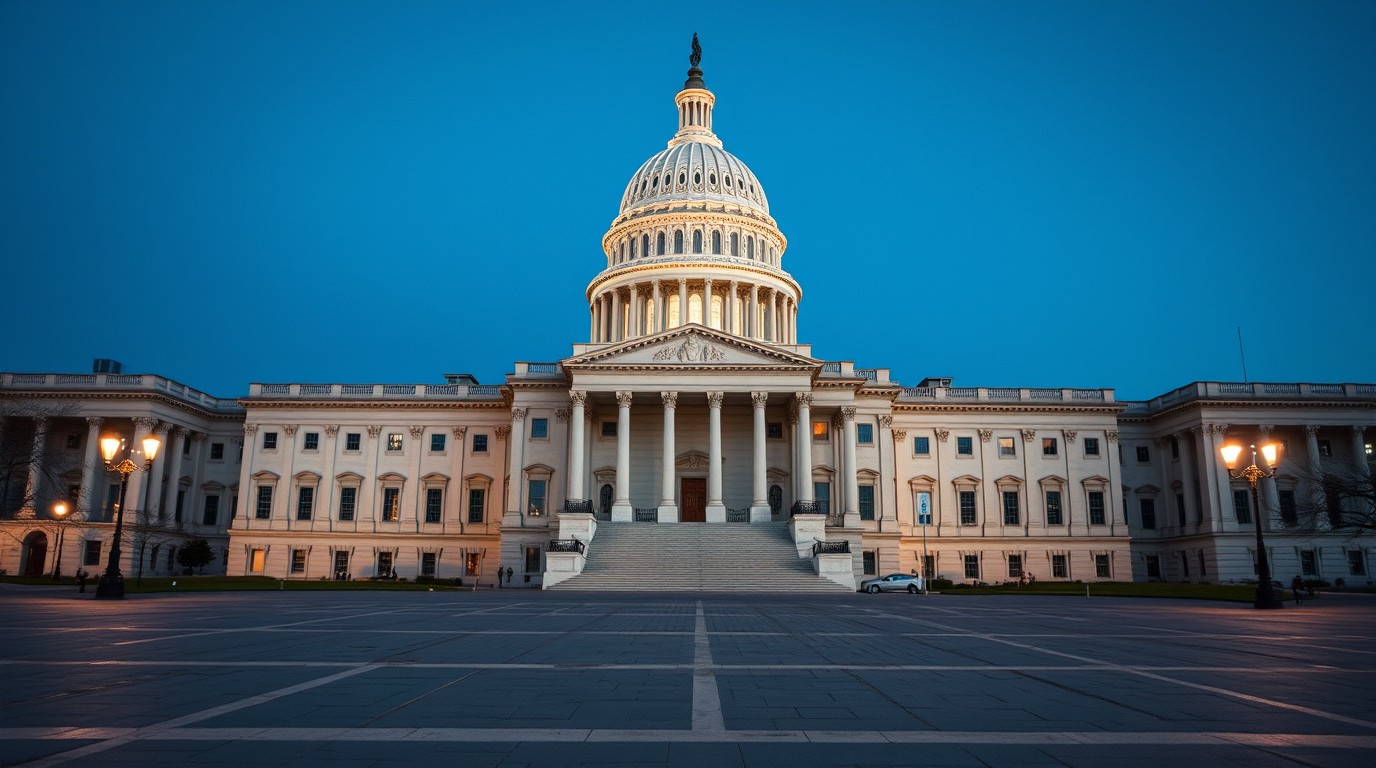
The Democrats gained control of both chambers of the US Congress in the midterm elections of November 3, 2026, according to Al Jazeera's coverage. The House of Representatives apportions 435 seats and control is reached with 218, according to The Guardian's tracking.
The result reshapes President Donald Trump's room for maneuver in foreign policy for the two years remaining in his term, according to the international reactions the outlet reports. European officials cited by Al Jazeera read the outcome as support for Ukraine and for the energy transition. For Mexico, the most immediate effect lies in the trade agenda. The government of Claudia Sheinbaum hopes that, once the contest is over, the USMCA review will be unblocked and a bilateral agreement will be reached to reduce the tariffs of between 15% and 50% currently in force for the automotive, steel and aluminum industries, El País México reports. Economy Secretary Marcelo Ebrard traveled to Washington several times during the campaign, and the trilateral review was postponed on repeated occasions.
The treaty review has ceased to be a calendar formality. In July 2026 Washington refused to extend the USMCA for another 16 years, which triggered a mechanism of annual reviews for 2027-2036, and the pending issues rose from 54 to 94, according to an analysis by the consultancy Integralia cited by El Economista. Among the open points are automotive rules of origin, which require 75% regional content for the zero tariff, the traceability of steel and aluminum, and China's participation in production chains. Even with a Democratic majority, the White House retains instruments such as Section 232, and Integralia maintains that tariff threats will persist. The new Legislature will also be able to review the 1% tax on remittances sent in cash, in force since January 2026.
With the annual USMCA reviews scheduled from 2027 to 2036, the legislative calendar in Washington and the technical rounds of the negotiation remain the next points of reference for the bilateral relationship. Trade between the two countries, which nearly multiplied by nine since 1994, sustains that agenda.
This article was written with the assistance of artificial intelligence from verified sources and reviewed by a human editor before publication.