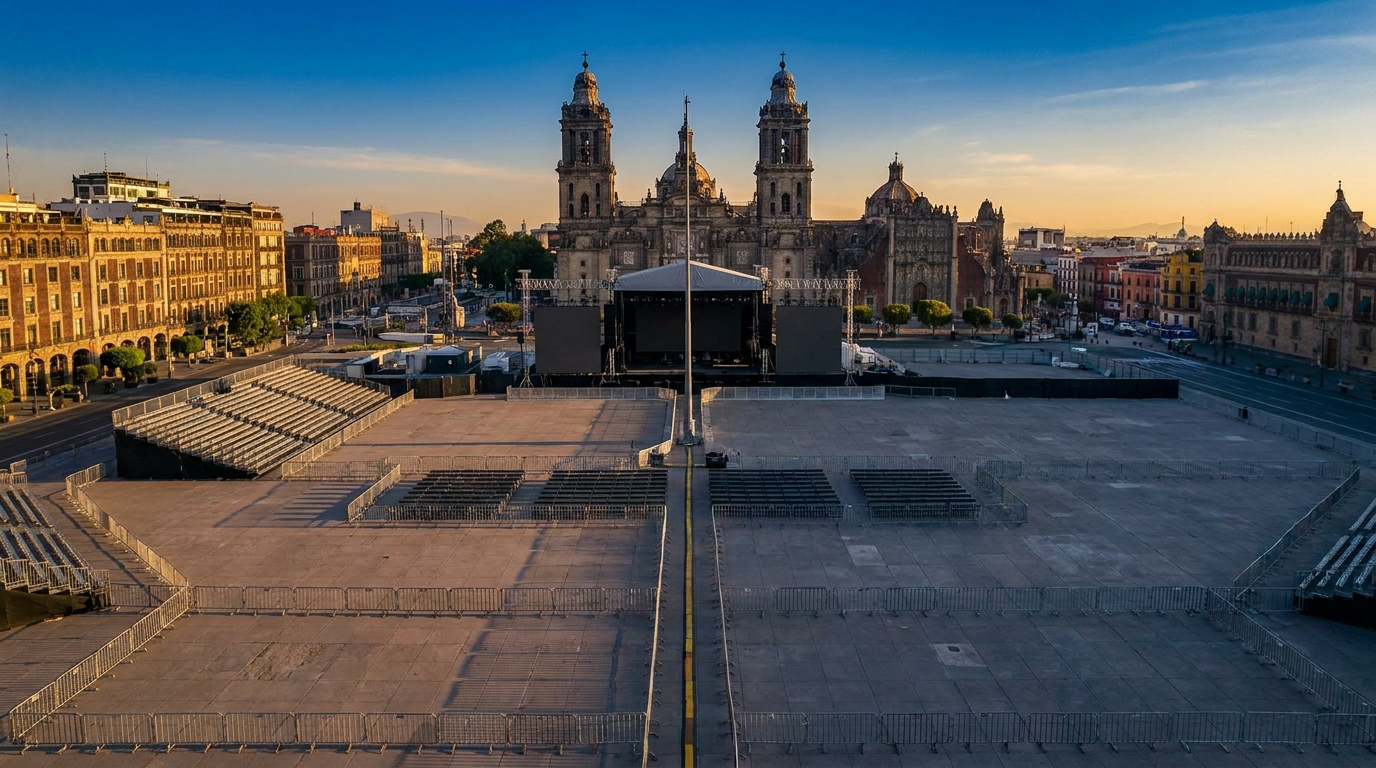
Mexico City has activated 18 free venues to follow the 2026 World Cup, a civic infrastructure covering all 16 boroughs and complemented by an unprecedented mobility operation centered on the Zócalo as the primary hub. Combined capacity accommodates tens of thousands of fans at each round of the tournament, which kicked off on June 11 and runs through July 19.
According to [La Razón](https://www.razon.com.mx/ciudad/2026/04/30/mundial-2026-cdmx-tendra-18-fan-fest-gratuitos-conoce-las-sedes-y-actividades/), the official FIFA Fan Festival is held at the Plaza de la Constitución with a capacity of up to 60,000 people, augmented by six additional venues broadcasting all 104 matches in the tournament. The remaining eleven project key matches and all fixtures involving the Mexican national team, with complementary sports and cultural programming. The practical takeaway for local governments is instructive: the strategy blends a major international event with neighborhood-level decentralization, a model that cities such as Guadalajara and Monterrey are using as a reference for their own host-city operations during the remaining month of competition.
The mobility plan announced by Head of Government Clara Brugada includes strategic parking facilities, reinforced public transport, and dedicated routes to Estadio Banorte. According to [Infobae](https://www.infobae.com/mexico/2026/06/01/gobierno-de-cdmx-habilitara-ruta-de-viaje-redondo-al-estadio-banorte-por-mundial-2026-cuanto-cuesta-y-de-donde-saldra/), the Tren Ligero suspends regular service three hours before each match to operate at maximum capacity and transport up to 60,000 fans. The security operation covers 3,411 personnel, of whom 2,275 belong to the Secretaría de Seguridad Ciudadana. Match days are alcohol-free. The city has allocated 2,000 bicycles and 2,000 scooters to dedicated corridors for last-mile mobility.
Upcoming matches at Estadio Banorte and attendance at the Zócalo will serve as the first real indicators of how the capital's operation is performing. The decisions that the 16 boroughs make on transport, crowd capacity, and security deployments over the tournament's remaining month will calibrate the fine-tuning of the mega-event model, generating comparable data that will prove useful for future international competitions the capital may host after the World Cup closes on July 19.
Fuentes:
- https://www.razon.com.mx/ciudad/2026/04/30/mundial-2026-cdmx-tendra-18-fan-fest-gratuitos-conoce-las-sedes-y-actividades/
- https://www.infobae.com/mexico/2026/06/01/gobierno-de-cdmx-habilitara-ruta-de-viaje-redondo-al-estadio-banorte-por-mundial-2026-cuanto-cuesta-y-de-donde-saldra/