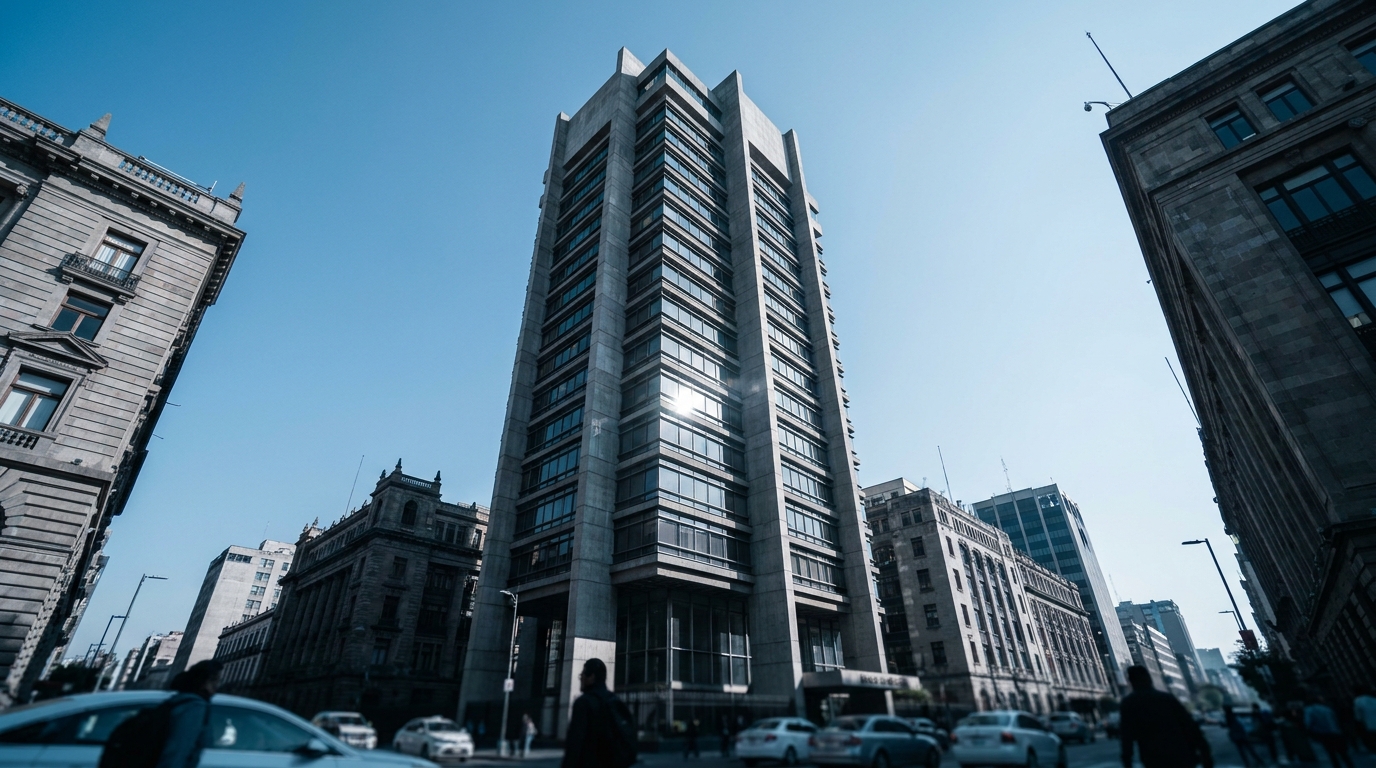
The Bank of Mexico projects that the impact of the 2026 World Cup on the Mexican economy will be moderate and temporary, with only 16.1% of large companies anticipating higher demand driven by the tournament. The assessment, published in the central bank's regional report, tempers optimism about stronger structural growth from hosting the event.
According to [Diario.mx](https://diario.mx/economia/2026/jun/16/estiman-moderado-efecto-por-mundial-1123165.html), Aldo Heffner, Banxico's director of economic research, argued that the tournament's boost would be a welcome short-term relief, geographically concentrated in Mexico City, Guadalajara, and Monterrey, without becoming a driver of sustained medium-term growth. The figures come from the Regional Economies Survey for January-March 2026 and show that 18.3% of non-manufacturing firms expect higher demand, compared with 11.9% in manufacturing. Complementary coverage from [Bloomberg Línea](https://www.bloomberglinea.com/latinoamerica/mexico/mundial-2026-no-sera-motor-de-crecimiento-para-mexico-de-largo-plazo-economista-en-jefe-de-banxico/) reinforces the central bank's reading on the temporary nature of the boost and the sectoral concentration of the effect.
Banxico's technical assessment identifies three channels: international tourism, domestic consumption, and associated services such as hospitality, restaurants, and transportation. The report notes that non-host regions will capture indirect benefits from post-tournament tourist stopovers, particularly beach destinations and cultural heritage sites. The underlying thesis is that the country's productive diversification dampens the multiplier effect of an event concentrated in six weeks. Heffner stressed that the leading indicator still shows no signs of a tournament-linked upturn in activity data. The statement comes after the bank cut its 2026 growth forecast in May from 1.6% to 1.1%, while the OECD trimmed its own estimate to 0.8% in early June. The Mexican Institute of Finance Executives anticipates between 750,000 and 800,000 World Cup tourists, a figure below the original official expectations.
The next test will come in June and July services and retail trade data, the first closing period with the World Cup underway. If the regional consumption rebound surprises to the upside, it could provide a technical basis for an upward revision in the second half of the year.
Frequently Asked Questions
What percentage of large companies in Mexico expect higher demand from the 2026 World Cup?
Only 16.1% of companies with more than 100 employees anticipate higher demand from the 2026 World Cup, with 18.3% in non-manufacturing and 11.9% in manufacturing, according to Banxico and Diario.mx coverage from June 16.
Why does Banxico estimate that the World Cup's effect on the Mexican economy will be moderate?
Banxico considers that the Mexican economy is broad and diversified, meaning the boost will be confined to sectors such as tourism, hospitality, and transportation in Mexico City, Guadalajara, and Monterrey, according to statements from Aldo Heffner reported by Diario.mx.
What is Mexico's GDP growth forecast for 2026 according to Banxico?
Banxico cut its 2026 GDP growth forecast for Mexico in May from 1.6% to 1.1%, according to the update cited by Bloomberg Línea and Diario.mx.
Fuentes:
- https://diario.mx/economia/2026/jun/16/estiman-moderado-efecto-por-mundial-1123165.html
- https://www.bloomberglinea.com/latinoamerica/mexico/mundial-2026-no-sera-motor-de-crecimiento-para-mexico-de-largo-plazo-economista-en-jefe-de-banxico/